
Last updated November 21, 2026
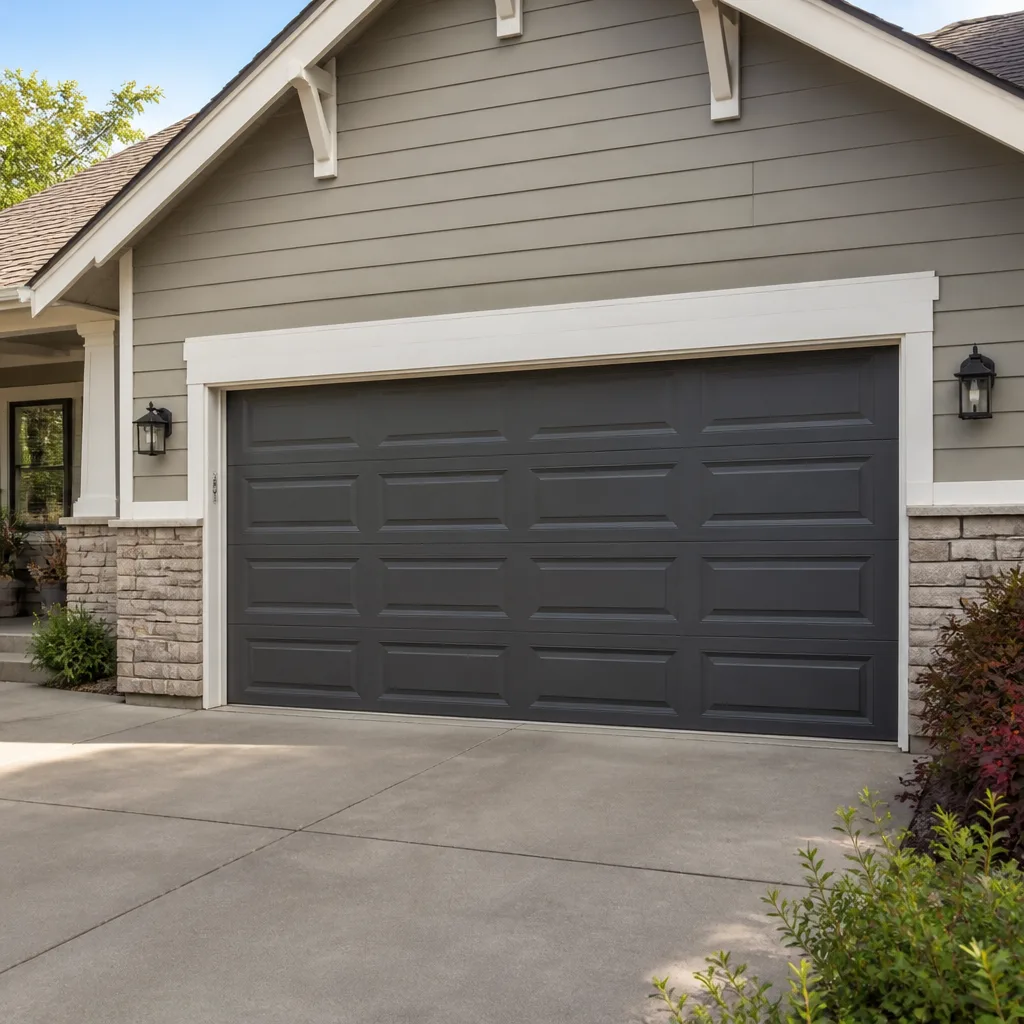 Raised-panel steel
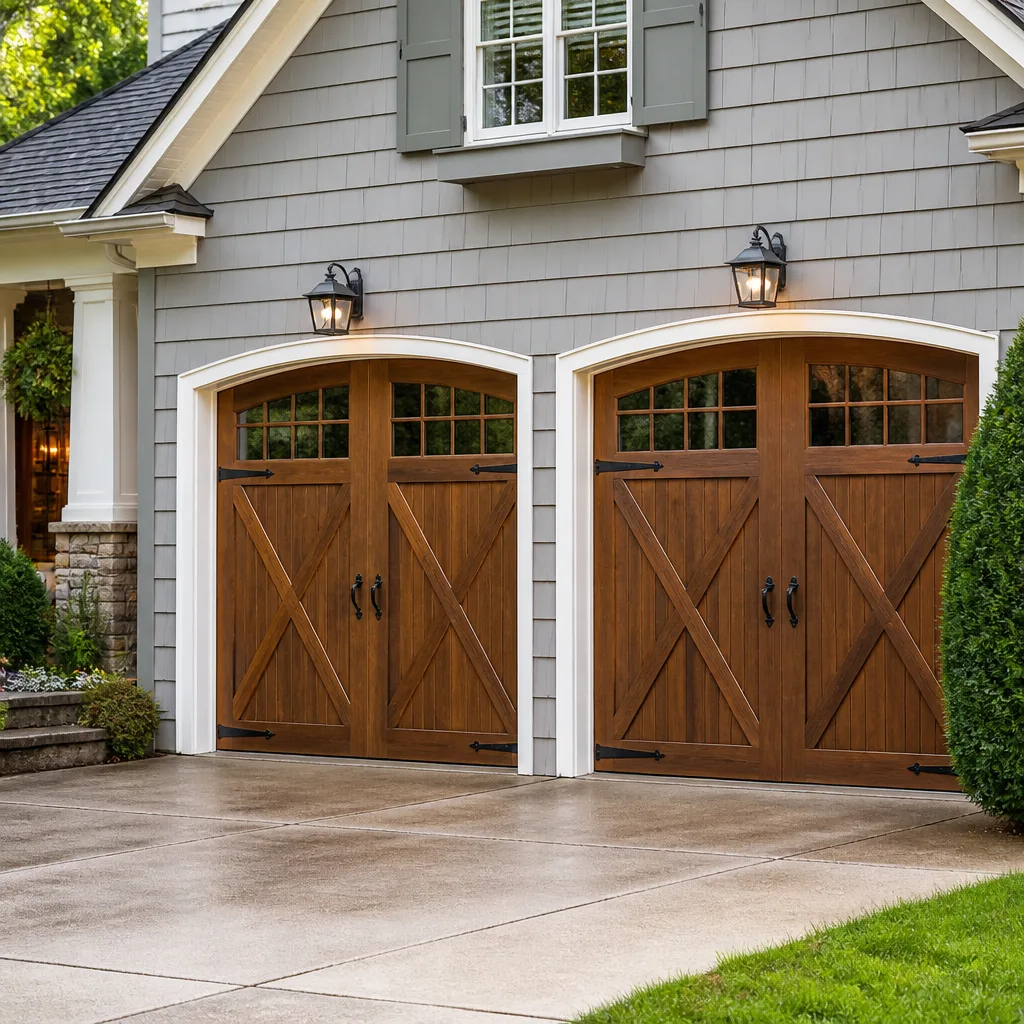 Carriage house
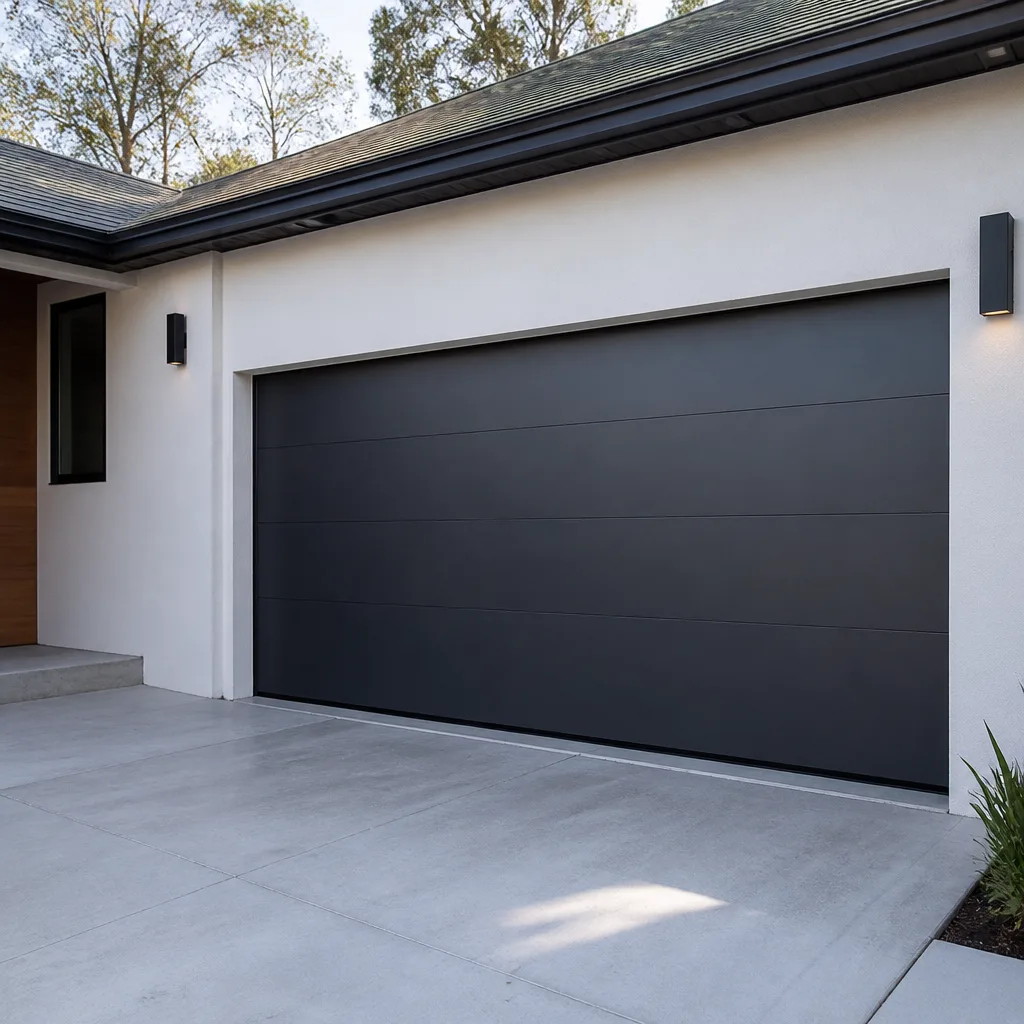 Modern flush
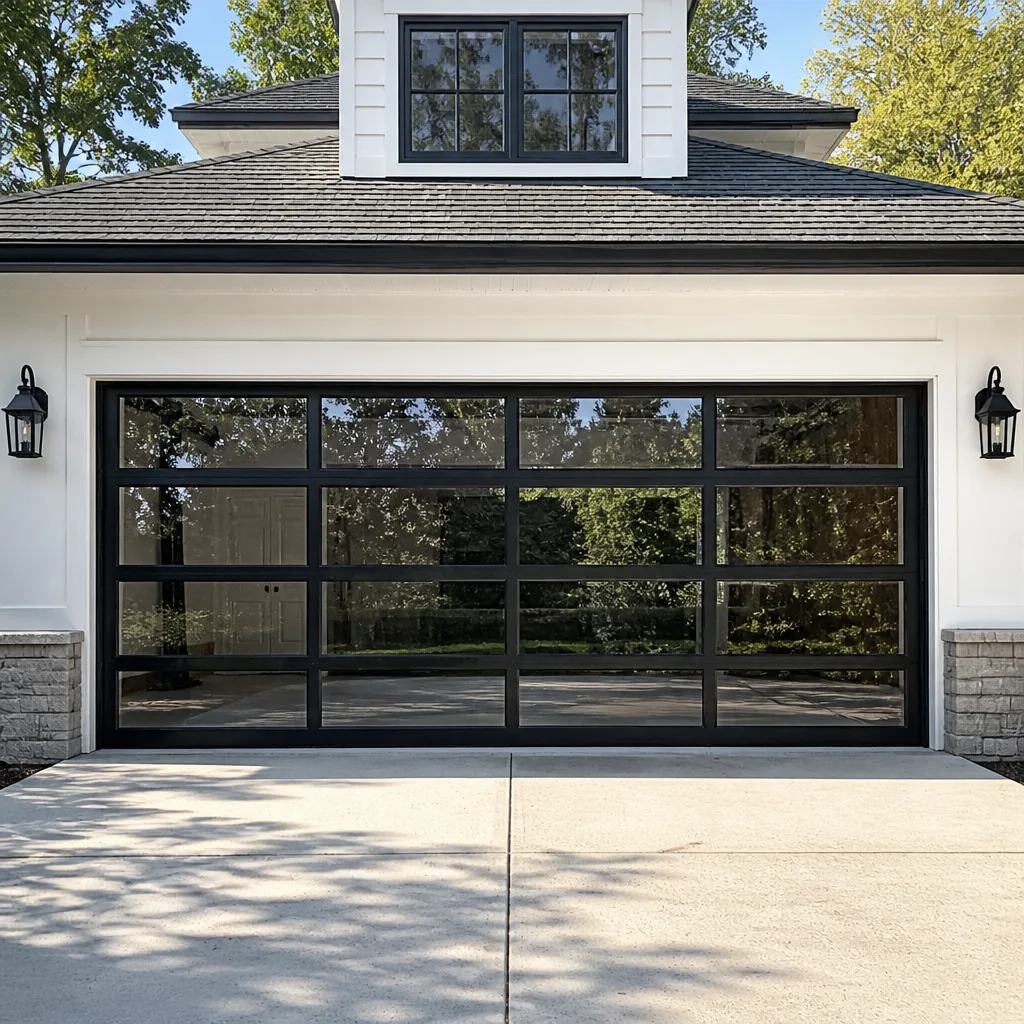 Full-view glass
 LiftMaster openers
 Chamberlain openers
Full 25-point door and opener safety check with every visit - springs, cables, rollers, tracks, and your LiftMaster or Chamberlain opener included
You get a price before we start. It does not change when the pro arrives.
Get your free estimateDIY vs Professional Garage Door: The Norfolk Homeowner’s Decision Guide
A torsion spring stores enough energy to launch a winding bar clean through drywall. That’s not a scare tactic – it’s why technicians use containment bars and why that one job sits in a category of its own. For most of the rest of your garage door, the DIY math is more reasonable than the industry usually admits. Weatherstripping, rollers, sensor alignment, a limit adjustment – a careful homeowner with the right tools can do these well. This guide draws the line honestly, task by task, with Hampton Roads pricing and the Norfolk permit picture, so you can spend your Saturday wisely – or know exactly when to set the tools down and make a call.
Quick Answer
Most garage door maintenance is reasonable DIY territory: weatherstripping, rollers, lubrication, sensor alignment, and limit adjustments. Spring replacement, cable and drum work, and anything on a door more than 20 years old with unknown spring history belong with a trained professional, because the injury risk is severe and the stored energy is unforgiving. In Norfolk, a full door replacement also runs into wind-load inspection requirements that usually make a permitted professional install the smarter path.
Styles & brands we work with
- Raised-panel steel
- Carriage house
- Modern flush
- Full-view glass
- LiftMaster openers
- Chamberlain openers
Table of Contents
- The Tasks That Are Genuinely Dangerous
- Where DIY Is Legitimate and Well-Documented
- The Norfolk Permit Reality for New Doors
- What a Botched DIY Repair Costs You
- The Task-by-Task Decision Grid
- Hampton Roads Pricing: DIY vs Professional
- How a Professional Job Actually Runs
- Common Mistakes to Avoid
The Tasks That Are Genuinely Dangerous
Three categories of garage door work carry real injury risk for someone without training, and they share one trait: stored mechanical energy you can’t see until it releases.
Torsion spring replacement. A torsion spring above the door holds the entire weight of the door in tension. When it’s wound, it stores enough force to cause serious injury in a fraction of a second if a winding bar slips or a cable lets go. Professionals use containment bars, proper winding tools, and a disciplined sequence. This is the single task we’d tell any Norfolk homeowner to leave alone, without exception.
Cable and drum work. Cables run under extreme tension alongside the springs. A cable that snaps free under load can whip with enough force to cut through skin or worse. Cable drums also need precise alignment with the spring system. Getting it wrong doesn’t just fail – it fails violently.
Any door more than 20 years old with unknown spring history. Older doors often carry springs of uncertain age, previous repairs, or mismatched components. In Norfolk’s older neighborhoods, where housing stock from the mid-twentieth century is common, a door may have been through several owners and undocumented repairs. You can’t safely assess stored energy by looking at a spring. If the history is unknown and the door is that old, treat the whole spring and cable assembly as professional-only.
High-tension springs and cables are the one part of a garage door where a mistake is not a matter of a wobbly door or a drafty seal. It’s a trip to the emergency room. That’s not a sales line – it’s the honest technical reason this job has its own category.
If you’re dealing with a snapped spring right now, our Norfolk Garage Door Repair Pros team handles spring repair as a named service, not an afterthought. Spring failures don’t wait, and neither should an assessment.
Where DIY Is Legitimate and Well-Documented
Here’s where the industry oversells the danger. Several common garage door tasks are well within reach for a prepared homeowner, and the savings are real.
- Weatherstripping replacement. The rubber or vinyl seal along the bottom of the door and around the frame wears out, letting in drafts, water, and pests. Replacing it is straightforward: cut to length, slide into the retainer, trim the ends. No stored energy involved.
- Roller swaps. Worn nylon rollers cause noise and uneven travel. With the door fully open and the springs relaxed, rollers can be swapped one at a time with basic hand tools. The key safety rule is to never remove a roller while the door is under spring tension.
- Limit adjustment. If the door doesn’t fully close or reverses too high, the opener’s travel limits may need a small tweak. Most openers have adjustment screws or digital settings documented in the manual. This is a ten-minute job once you find the manual.
- Safety sensor alignment. The photo-eye sensors near the floor need to see each other. If the door reverses on the way down for no obvious reason, a bumped sensor or a spider web is the usual culprit. Straighten the brackets, wipe the lenses, and confirm the indicator light is solid.
- Basic lubrication. A little white lithium grease on the opener rail and a silicone-based lubricant on hinges, rollers, and the spring (never on the tracks) quiets a noisy door and extends component life. It’s the cheapest maintenance you can do.
If your opener is the problem rather than the door, we’ve written a separate guide on garage door opener repair that covers the diagnosis side in more detail. For most Norfolk homeowners, though, the tasks above are genuinely doable on a free morning with a ladder, a manual, and a little patience.
The Norfolk Permit Reality for New Doors
This is where the DIY conversation changes, and it’s the part most online guides skip. Installing a new garage door isn’t just a mechanical swap – in Norfolk, it’s a structural change to your home’s exterior envelope, and it may trigger the same requirements a professional install would.
Wind-load requirements apply to garage doors in this region because the door is often the largest opening in the building envelope. A permit for a new door installation may require an inspection to confirm the door and its anchoring meet the wind-load standard. That means the DIY path isn’t simply “save on labor” – it’s “take on the permit application, the documentation, and the inspection coordination yourself.”
- Call the City of Norfolk’s building department before you buy a door, and ask specifically whether a permit and wind-load inspection are required for your address and door size.
- Confirm the door’s wind-load rating matches what the inspection requires. A door sold without that documentation can stall the whole project.
- Understand the inspection sequence. Some inspections happen before the door is fully finished, which changes the installation timeline.
- Compare the full cost. Factor in permit fees, your time, and the risk of a failed inspection into any DIY savings calculation.
When we quote a garage door installation, the written estimate accounts for the door, the hardware, and the permitting path for the job. That’s a big part of why the math often favors professional installation on a full door replacement in Norfolk, even for a handy homeowner. The permit isn’t red tape – it’s the inspection that confirms your door will stay put in a storm.
What a Botched DIY Repair Costs You
A failed DIY repair rarely costs only the price of the original repair. It usually costs that price plus the professional repair, plus whatever the failed attempt damaged along the way.
Consider the most common scenario: a homeowner replaces a torsion spring, and the door comes down crooked or the cable jumps a drum. What was a spring replacement now becomes a spring replacement plus a cable and drum repair plus a door rebalance. The professional bill is larger than the original job would have been, and the door may have been damaged in the process.
A subtler version: a DIY opener installation that’s wired or programmed incorrectly. The door works for a while, then the safety reverse fails or the travel limits drift. This one is genuinely dangerous because it fails silently – the door looks fine until the day it doesn’t.
There’s also the permit angle. A DIY installation that skips a required inspection can create a paperwork problem when you sell the home. Buyers and inspectors ask about permitted work, and an unpermitted garage door installation in Norfolk can become a negotiation issue or a required correction down the road. That cost doesn’t show up on the day of the repair – it shows up years later.
Our rule of thumb: if the task is on the dangerous list, the DIY savings never hold up. If it’s on the legitimate list, the savings are real and the risk is low. Everything in between deserves a phone call.
The Task-by-Task Decision Grid
Here’s the honest breakdown of common garage door tasks, rated by risk and skill, with a DIY verdict for each.
- Torsion spring replacement – Risk: High. Skill: High. Verdict: Professional only. Stored energy is severe and unforgiving.
- Extension spring replacement – Risk: High. Skill: High. Verdict: Professional only. Same stored-energy concern, different geometry.
- Cable and drum repair – Risk: High. Skill: High. Verdict: Professional only. Cables under load can cause serious injury.
- Door more than 20 years old, unknown spring history – Risk: High. Skill: High. Verdict: Professional assessment before any work.
- Weatherstripping replacement – Risk: Low. Skill: Low. Verdict: Good DIY project.
- Roller replacement – Risk: Low to moderate. Skill: Low. Verdict: Good DIY project with the door fully open.
- Opener limit adjustment – Risk: Low. Skill: Low. Verdict: Good DIY project with the manual.
- Safety sensor alignment – Risk: Low. Skill: Low. Verdict: Good DIY project.
- Lubrication and general maintenance – Risk: Low. Skill: Low. Verdict: Good DIY project.
- Panel or section replacement – Risk: Moderate. Skill: Moderate. Verdict: Professional, because panel weight and alignment matter.
- Full door installation – Risk: Moderate. Skill: High. Verdict: Professional, largely because of permitting and wind-load inspection.
- Opener replacement – Risk: Low to moderate. Skill: Moderate. Verdict: DIY possible, but wiring and safety-reverse setup trip up most homeowners.
Notice the pattern: everything that stores energy is professional-only, and everything that doesn’t is fair game. That’s the cleanest decision rule we can offer Norfolk homeowners. If you’re unsure which category a task falls into, our garage door repair team can tell you over the phone before you pick up a wrench.
Hampton Roads Pricing: DIY vs Professional
The cost comparison that actually matters is the full out-of-pocket number, not just the part price at the hardware store. Here’s how the math tends to run across Hampton Roads, with typical estimated ranges. The written estimate always sets the final price.
| Task | DIY parts cost (typical) | Professional estimate (typical) | Verdict |
|---|---|---|---|
| Weatherstripping | $20 – $60 | $120 – $220 | DIY saves real money |
| Roller replacement (set) | $30 – $80 | $150 – $260 | DIY saves real money |
| Lubrication and tune-up | $10 – $25 | $100 – $180 | DIY saves real money |
| Sensor alignment | $0 | $90 – $160 | DIY saves real money |
| Torsion spring (one spring) | $40 – $90 | $180 – $340 | Professional only |
| Matched spring pair | $80 – $180 | $360 – $680 | Professional only |
| Cable and drum repair | $30 – $70 | $160 – $320 | Professional only |
| Opener replacement | $150 – $350 | $350 – $650 | Depends on wiring comfort |
| New door installation | $700 – $1,600 (door only) | $1,200 – $2,800 | Professional, permits included |
A spring price is for one spring. Matched pairs are usually replaced together, so a pair runs about twice a single-spring figure.
The table makes the tradeoff visible. On the low-risk tasks, DIY saves $100 or more per job, and that savings is real. On the dangerous tasks, the gap between parts and professional cost is the price of the tools, training, and containment that make the job safe. On a full door installation, the professional estimate includes the permit and inspection path, which is why DIY often doesn’t pencil out even before you count your own time.
Norfolk’s housing mix matters here too. Older homes near Ghent and Freemason sometimes carry garage doors from an earlier era, where replacement parts may need to match a discontinued profile. Across the region, doors from Clopay and Amarr are common, and knowing the model line speeds up getting the right component instead of the closest one. A written estimate captured before any work begins is the real anchor – the number we quote is the number we hold to.
How a Professional Job Actually Runs
Understanding what a professional job involves helps you compare it fairly to the DIY version. Here’s how a typical spring or repair job runs.
- Phone assessment. We take the door’s symptoms, rough age, and brand so we can bring likely parts. We work on LiftMaster, Chamberlain, Genie, Clopay, Amarr, Wayne Dalton, Craftsman, and Raynor systems, and we’ve diagnosed across those brands often enough to recognize the failure pattern quickly.
- On-site inspection. The technician checks the springs, cables, rollers, tracks, and opener together, because a spring failure often stresses other components.
- Written estimate. You get the price before any work starts. If the inspection turns up a second problem, you get a second number to approve, not a surprise on the invoice.
- Contained repair. Springs are wound and unwound with containment bars and the proper tools. Cables are tensioned to spec. The door is rebalanced and tested through multiple cycles.
- Safety check. The technician verifies the door’s balance, the opener’s force settings, and the safety reverse function before leaving.
That last step matters more than most homeowners realize. A door that opens and closes fine can still have a failed safety reverse, which is the feature that protects a child or pet under a closing door. We check it on every job.
For urgent failures, our emergency response covers the situations where a broken door traps a car, leaves a home unsecured, or blocks a business. We answer 24/7. Fast dispatch from 7am to 7pm. For non-urgent work, a free estimate is the starting point.
Common Mistakes to Avoid
- Treating a torsion spring like a bungee cord. Homeowners sometimes try to wind a spring by hand without a proper winding bar. That’s the single fastest way to end up in the emergency room – call a professional instead.
- Removing a roller while the door is under tension. Rollers must be swapped with the door fully open and the springs relaxed. Removing one in any other position can release the cable unexpectedly.
- Skipping the permit question on a new door. Norfolk’s wind-load inspection requirement catches DIY installers off guard. Call the building department before you buy the door, not after it’s installed.
- Lubricating the tracks. Grease on the tracks attracts grit and can make the door bind. Lubricate hinges, rollers, and the spring; keep the tracks clean and dry.
- Ignoring a door that’s 20 years old with unknown spring history. A door that’s been through several owners in a Norfolk neighborhood may have undocumented repairs. Have a pro assess it before you touch the springs.
- Adjusting force settings to hide a problem. Raising the opener’s force limit to push through a binding door masks the real issue and defeats the safety reverse. Find and fix the binding instead.
- Buying a replacement door without checking the wind-load rating. A door that doesn’t match the required rating can fail inspection and leave you with a door you can’t legally install.
See the difference
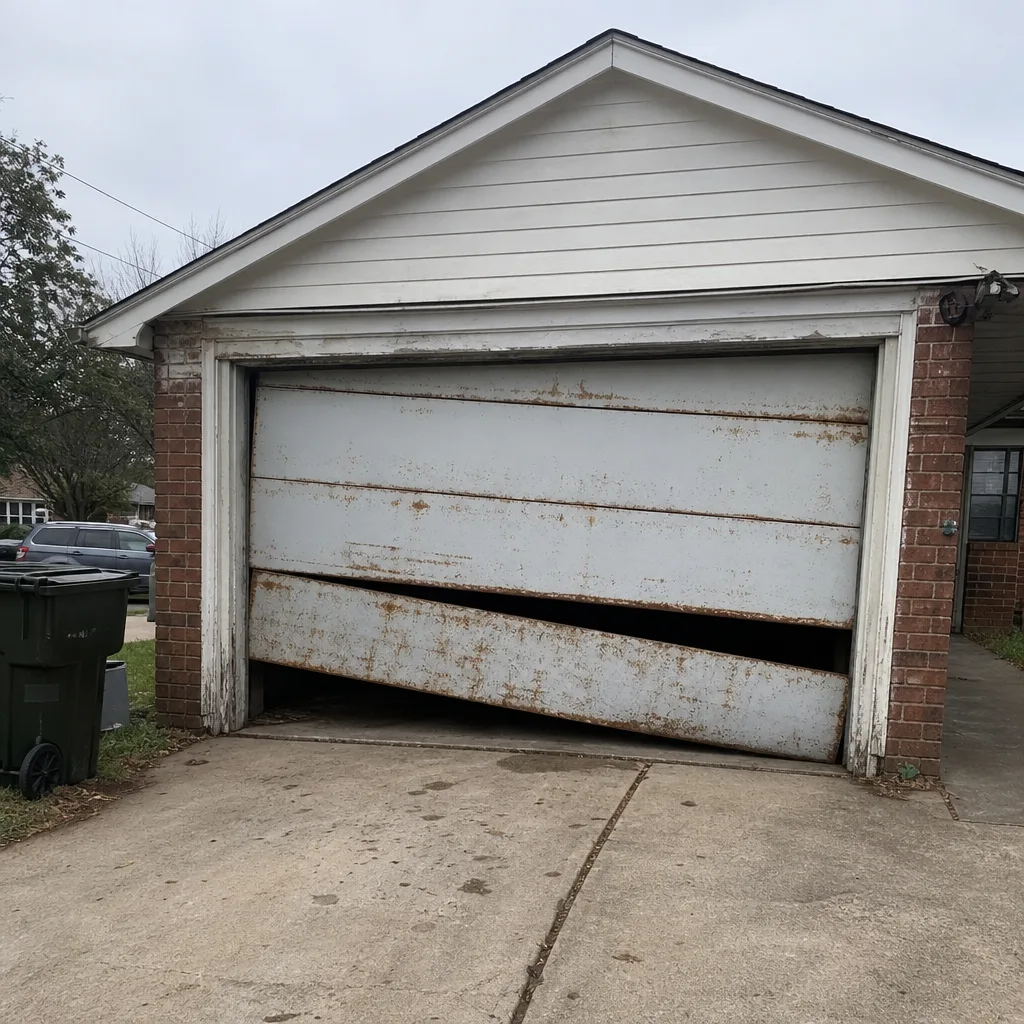 Before
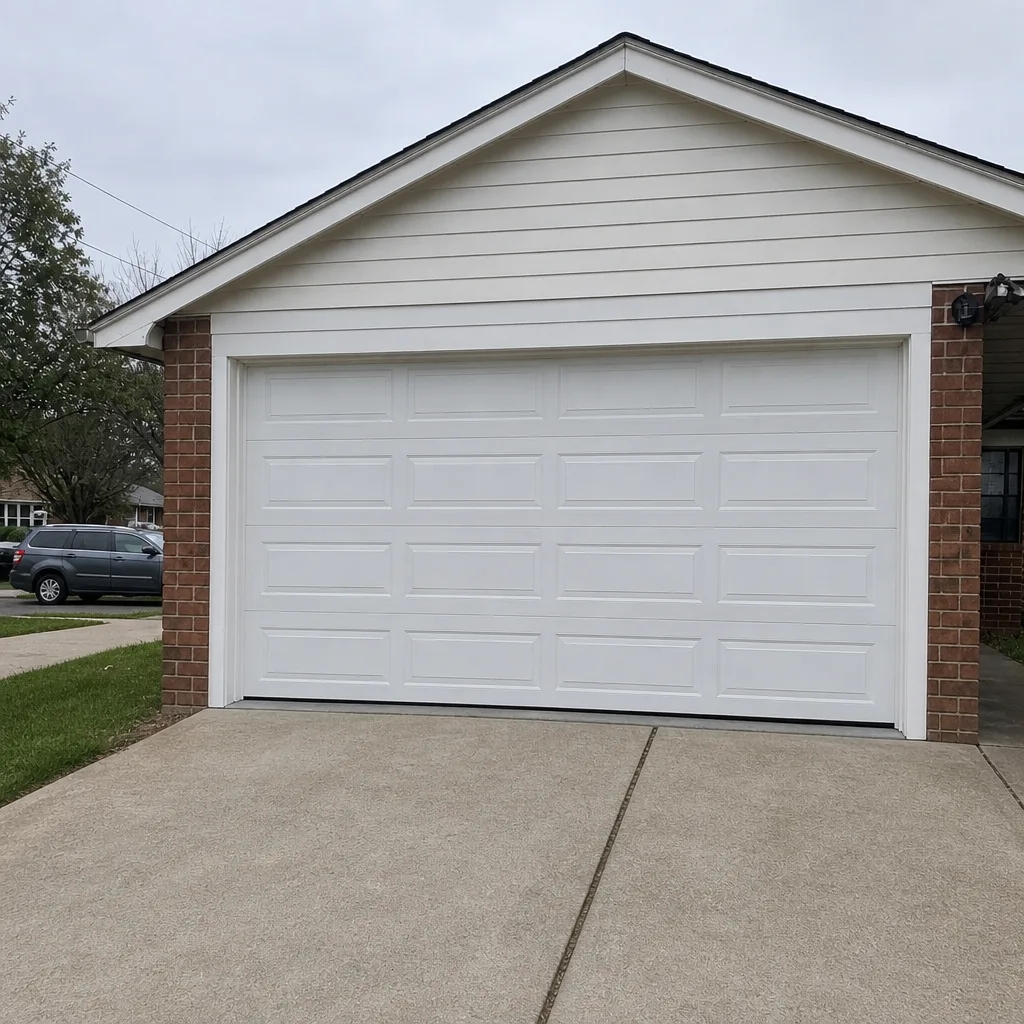 After
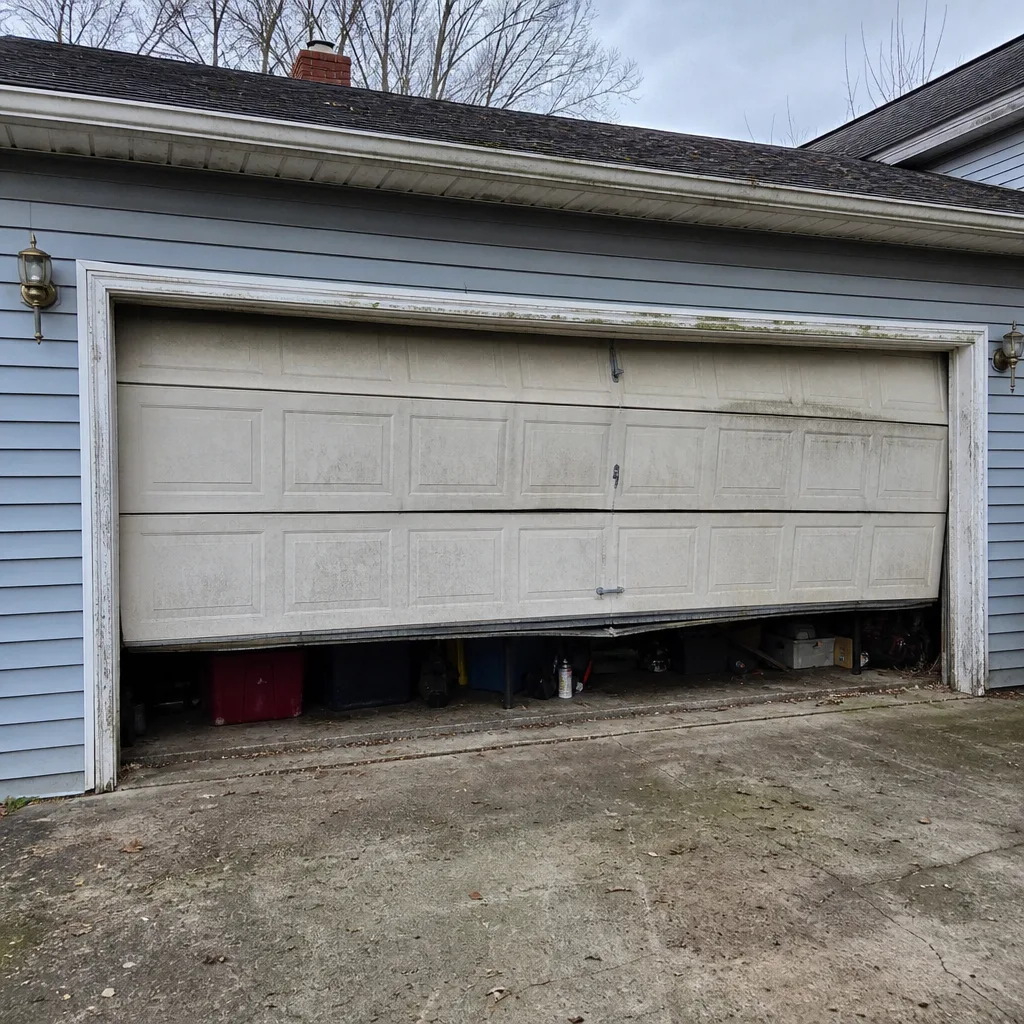 Before
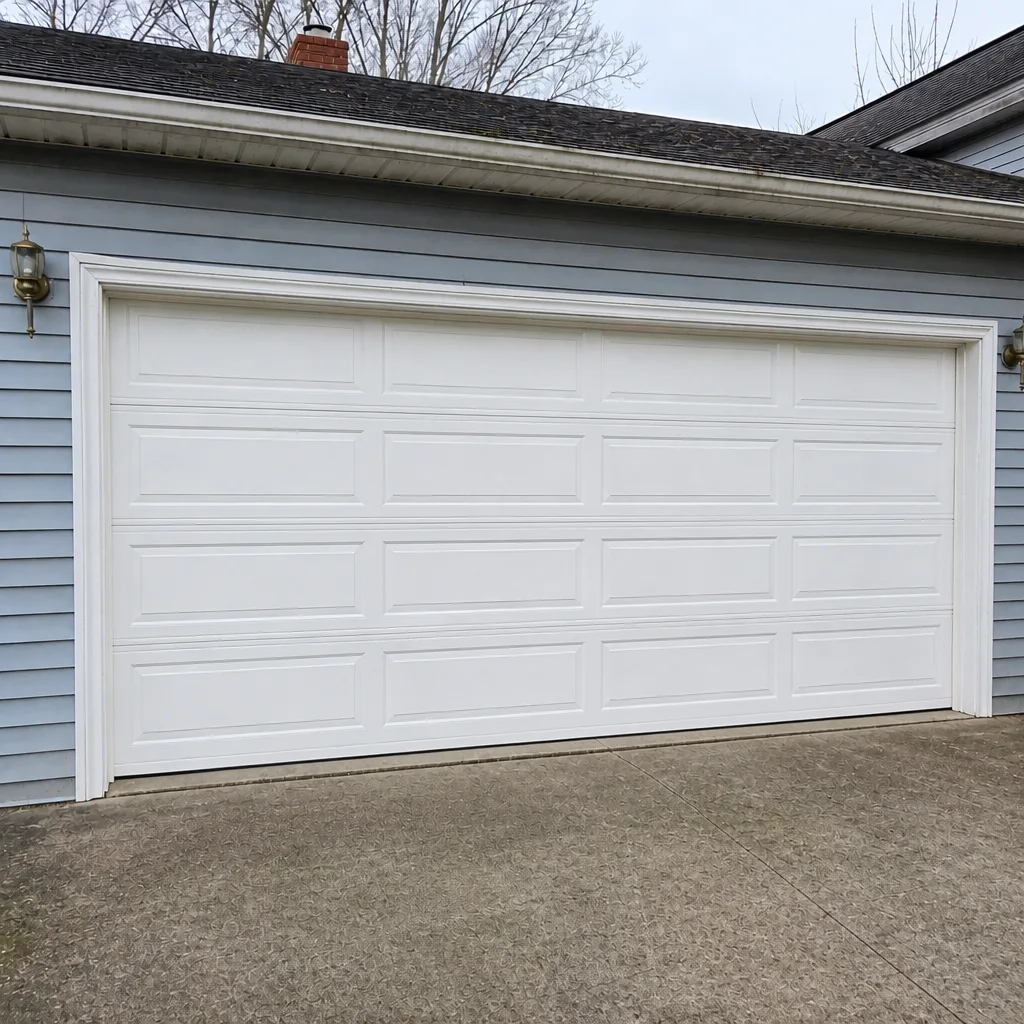 After
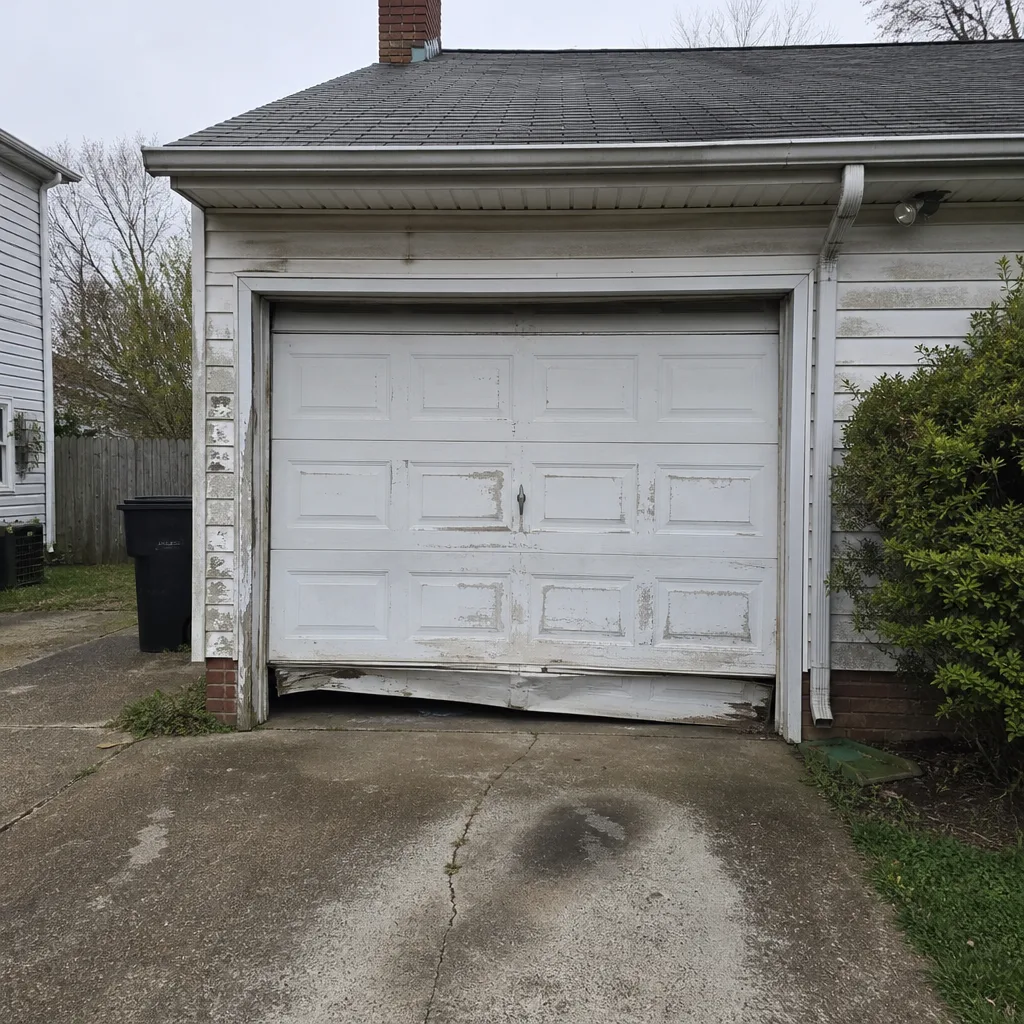 Before
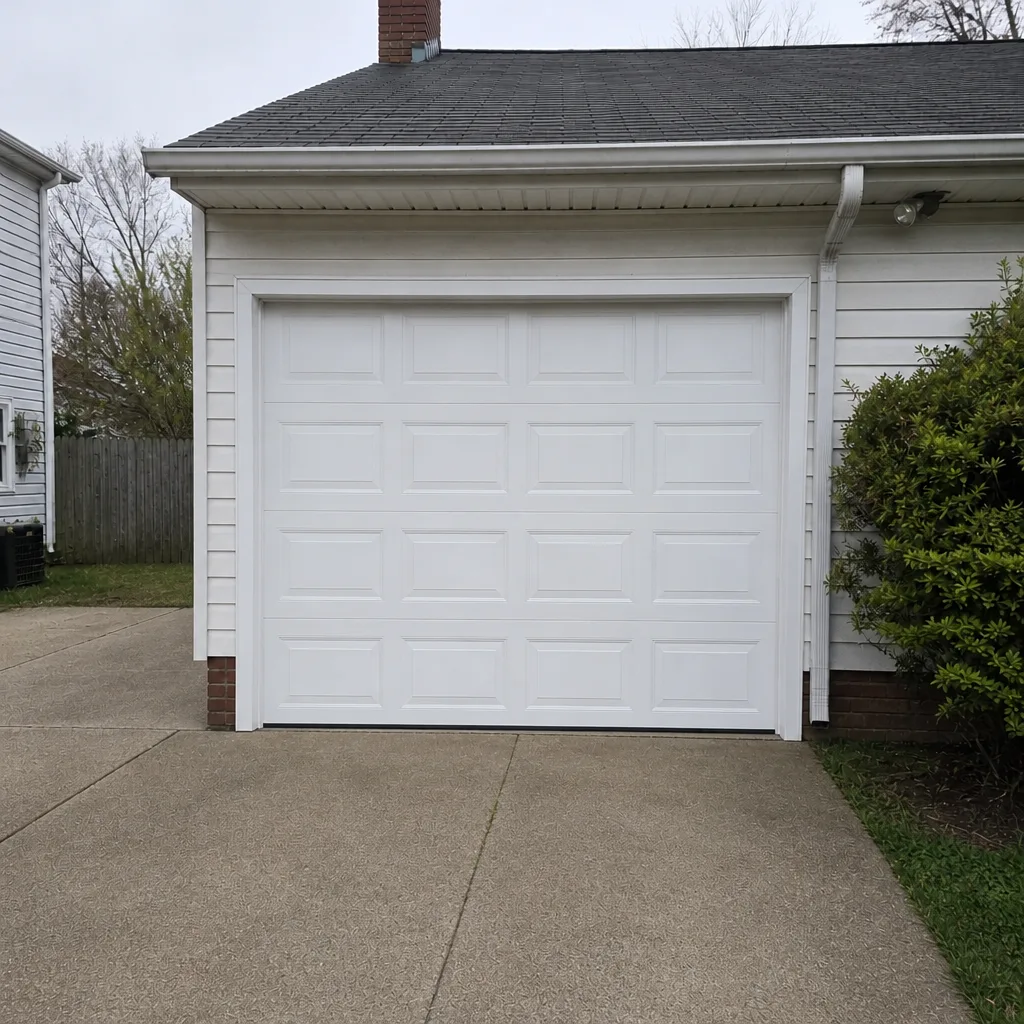 After
When to Call a Professional
Call a professional for anything involving torsion or extension springs, cables, or drums; for any door more than 20 years old with unknown spring history; for panel or section replacement; for a full door installation that needs a permit and wind-load inspection; and for any opener problem you can’t trace to a simple limit or sensor fix. Call immediately if the door is stuck open, hanging crooked, or making a loud bang – those are spring and cable failures, and they don’t improve with time.
Norfolk Garage Door Repair Pros offers free estimates in Norfolk – call (844) 321-8447. We answer 24/7. Fast dispatch from 7am to 7pm, Sunday through Friday, and we’re closed Saturday. One call covers repair, opener repair, spring repair, installation, and emergency response, so you’re not juggling contractors.
Frequently Asked Questions
No – torsion and extension spring replacement is not a safe DIY job, because the springs store enough energy to cause serious injury if a winding bar slips or a cable releases. Professionals use containment bars and proper winding tools, and the risk isn’t worth the savings. Call (844) 321-8447 for a free estimate on spring repair.
Typical estimated spring repair in Norfolk runs $180 – $340 for one spring, and $360 – $680 for a matched pair, since pairs are usually replaced together. The written estimate sets the final price, and it’s quoted before any work starts. Call (844) 321-8447 for an exact quote – estimates are free.
You may. A new door installation in Norfolk can require a permit and a wind-load inspection, so call the City of Norfolk’s building department before buying a door to confirm what applies at your address. A professional installation estimate accounts for that permitting path.
It depends on the task. Weatherstripping, rollers, sensor alignment, limit adjustment, and lubrication are reasonable DIY jobs that save real money. Springs, cables, drums, older doors with unknown history, and full installations belong with a professional, because the injury risk or permit requirements outweigh the savings.
A failed repair usually costs the original parts plus a professional repair plus any damage the attempt caused, so the total often exceeds what the professional job would have cost in the first place. On safety-critical parts like springs and cables, a failed repair can also be dangerous. Call (844) 321-8447 and we’ll assess it.
The local pros we connect you with are licensed and insured as their state requires. Our technicians have up to 10 years of experience across the major brands, and every job starts with a written estimate you approve before work begins. Call (844) 321-8447 to book a free estimate.
The Bottom Line
The DIY vs professional question for a garage door isn’t about whether you’re handy – it’s about which tasks carry injury risk or permit consequences severe enough that the savings don’t hold up. Springs, cables, and drums are professional-only because stored energy is unforgiving. Weatherstripping, rollers, sensors, limits, and lubrication are legitimate DIY work that saves real money. In Norfolk, a full door replacement usually tips toward professional because of the wind-load inspection requirement. Know the line, and you’ll spend your time and money where they actually count. If you’re near the line, call (844) 321-8447 for a free estimate.
Written by the team at Norfolk Garage Door Repair Pros.