
Last updated November 21, 2026
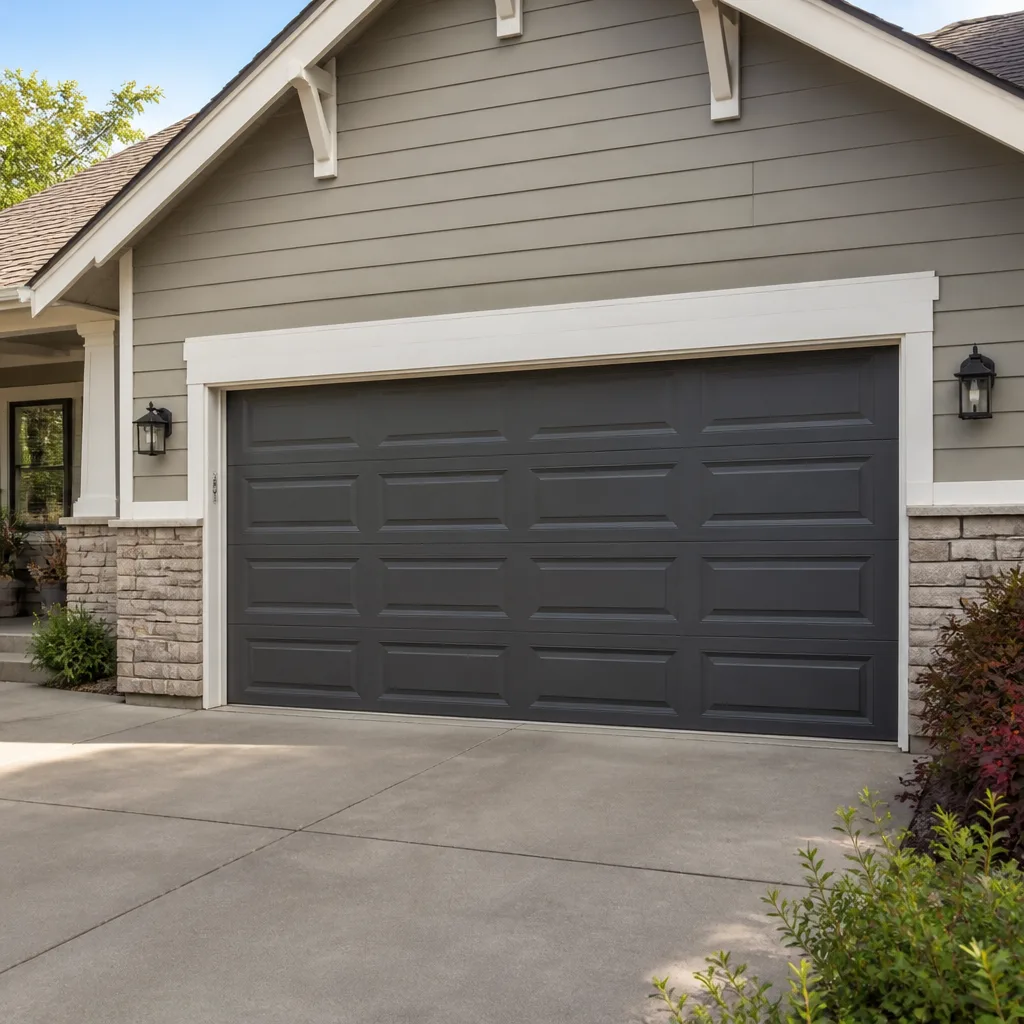 Raised-panel steel
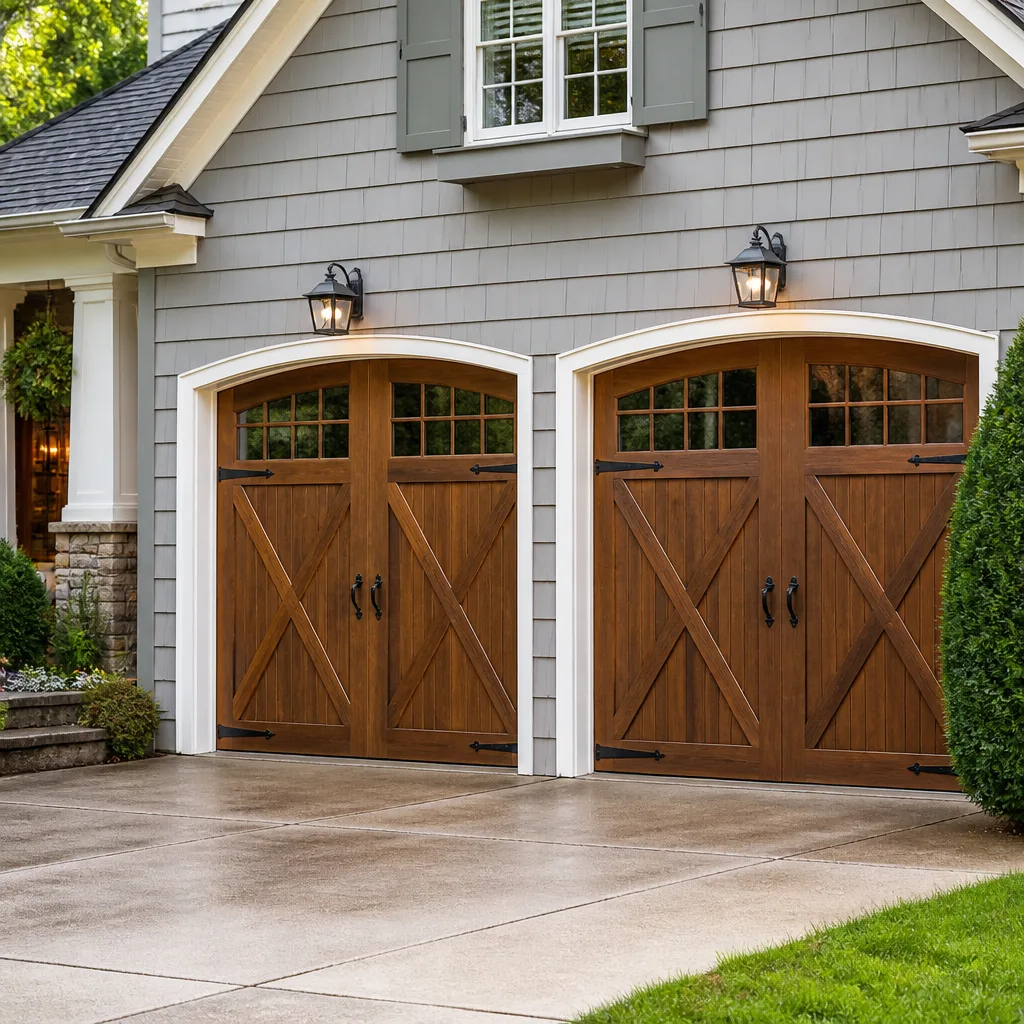 Carriage house
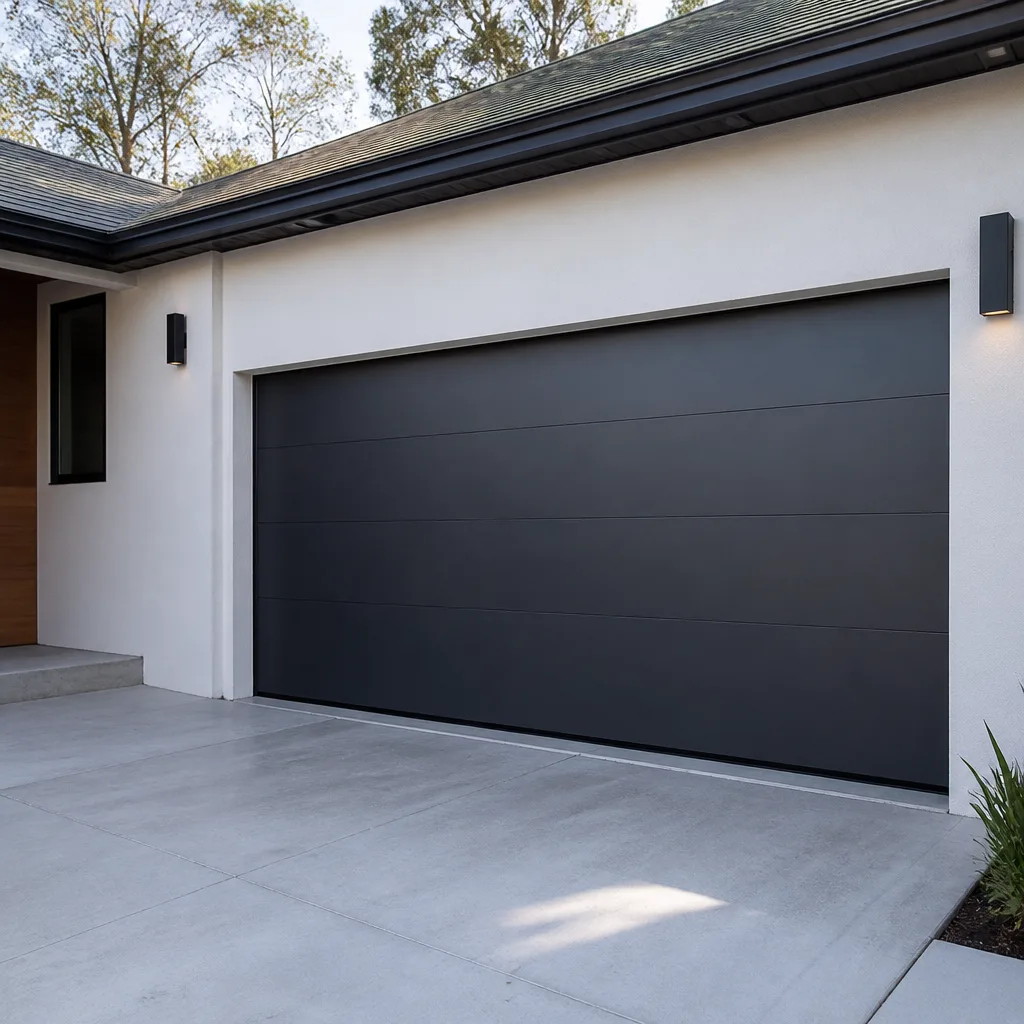 Modern flush
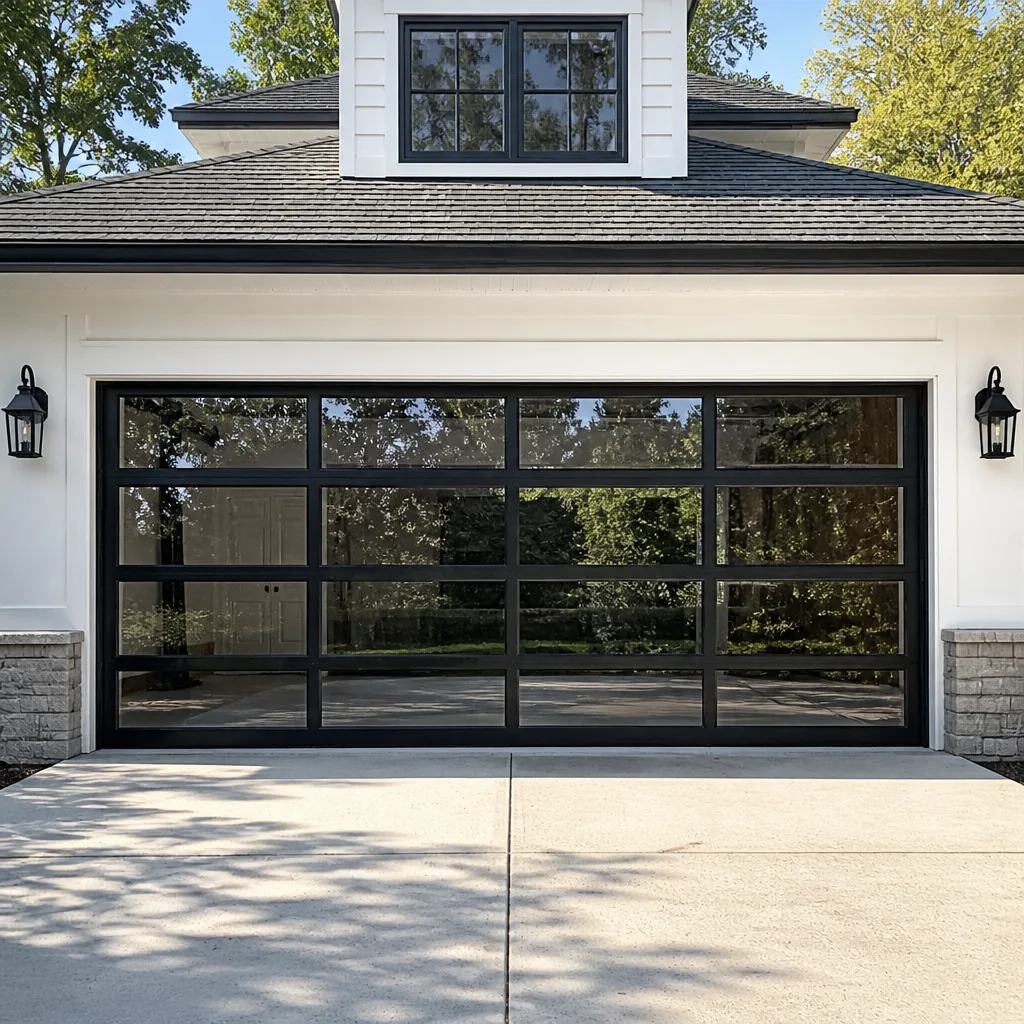 Full-view glass
 LiftMaster openers
 Chamberlain openers
Full 25-point door and opener safety check with every visit - springs, cables, rollers, tracks, and your LiftMaster or Chamberlain opener included
You get a price before we start. It does not change when the pro arrives.
Get your free estimateGarage Door Emergency Preparedness Guide for Norfolk Homes
Most homeowners in Norfolk treat their garage door like a wall. It goes up, it goes down, and nobody thinks about it until the morning it doesn’t. The trouble is that a garage door is really a large moving machine held up by springs under serious tension, and the conditions around Norfolk test that machine harder than most owners realize. This guide covers what to do before a storm, during a power outage, and right after the wind passes. You’ll learn how to release a dead door by hand, which backup systems actually hold up, what to inspect before you touch the opener again, and when a failure is urgent enough to stop what you’re doing and call.
Quick Answer
Preparing your garage door for a Norfolk storm comes down to three things: knowing how to manually release the door safely, confirming your opener has a reliable battery backup, and doing a 90-second structural check before you operate the door after any major weather. Spring failures and storm damage can’t always be prevented, but a door that’s properly braced, lubricated, and fitted with a working backup will get you in and out when the power’s gone. When something fails and the door won’t open or won’t close, that’s the point to stop forcing it and call a technician.
Styles & brands we work with
- Raised-panel steel
- Carriage house
- Modern flush
- Full-view glass
- LiftMaster openers
- Chamberlain openers
Table of Contents
- Why Norfolk Homes Need a Garage Door Plan
- How Do You Manually Release a Garage Door When the Power Is Out?
- Which Battery Backup Openers Actually Perform During an Outage?
- What Pre-Storm Reinforcement Actually Protects Against
- What to Inspect Immediately After a Storm
- When to Call for Emergency Service and When Waiting Is Safe
- The Off-Season Maintenance That Prevents Emergencies
- Spring Safety: Why This Is Not a DIY Repair
Why Norfolk Homes Need a Garage Door Plan
Norfolk sits in a stretch of the mid-Atlantic that sees recurring tropical systems, fast-moving nor’easters, and summer thunderstorms that roll in off the water and drop more wind than forecasters expected. Every one of those events has a way of testing whatever holds the biggest opening in your house. When the power goes with the storm, the garage door stops working on the opener, and in many Norfolk homes the garage is the only place the family car can live.
The housing stock matters here too. Much of Norfolk is built on older lots with detached or integrated garages, and plenty of those doors have been in place long enough to have seen more than one storm season without a close inspection. The result is a door that may still look fine from the street while the springs, cables, and tracks underneath have slowly degraded.
Emergency preparedness for a garage door is really about four things:
- Access: getting your car out, or getting it in, when the opener is dead.
- Security: keeping the home’s largest opening closed if the door gets damaged.
- Safety: knowing when a door is dangerous to operate by hand and when it’s fine.
- Restoration: knowing exactly what to check after the storm before you operate the door again.
If you sort out those four categories ahead of time, the storm stops being a scramble. If you don’t, a dead opener and a stuck door turn into a long, frustrating day.
How Do You Manually Release a Garage Door When the Power Is Out?
The short answer: you pull the emergency release cord hanging from the opener trolley, and the door detaches from the opener so you can lift it by hand. That’s the theory. In practice, several things can go wrong, and no two opener types release the same way.
Here’s the general sequence for a standard residential opener:
- Locate the release cord. It’s the rope hanging from the trolley that rides on the rail above the door.
- Make sure no one is standing under the door and the door is fully closed before you pull.
- Pull the cord straight down with a steady motion. You should hear or feel the trolley disconnect.
- Lift the door by the handle, not the panels. If it lifts easily and stays where you leave it, the springs are doing their job. If it’s heavy, stop and get help.
- Prop or lock the door open while you move the car, then lower it gently.
- Re-engage the trolley by pulling the opener’s button or cycling it once so the carriage locks back onto the trolley.
Things get harder when the red cord is stuck or the door won’t release. A cord that won’t pull often means the trolley is jammed against the opener housing or the carriage has locked up. Don’t yank. If the door lifts but feels like it weighs a hundred pounds, that’s a sign of a broken spring, and lifting it by hand can cause a fast, uncontrolled drop. That’s when you stop and call for emergency garage door service. We’re familiar with the release mechanisms on LiftMaster, Chamberlain, Genie, and Craftsman openers, and with how the door itself behaves when the springs are compromised.
Which Battery Backup Openers Actually Perform During an Outage?
The honest answer to which backup systems hold up best: it depends less on the brand on the box and more on the battery technology and how often the door cycles during the outage. A door with a good backup battery and a well-balanced set of springs will get you a reasonable number of open-and-close cycles before the battery drains. A door with heavy spring tension, a binding track, or a battery that’s never been tested will drain fast, and in some cases won’t move at all.
What separates a backup that works from one that doesn’t:
- Chemistry. Older lead-acid backup batteries lose capacity over time and often die younger than their rating suggests. Newer lithium-based packs hold charge better and hold up through repeated cycles.
- Door weight and balance. A door that’s well balanced puts less load on the opener, and less load means more cycles from the same battery.
- Testing. An untested backup is a coin flip. Cycle it a few times in the fall and check that the door opens and closes smoothly.
- Installation health. A backup that was installed after the fact, instead of coming with the opener, can have wiring or connector problems that only show up when you need it most.
Smarter openers across Chamberlain, LiftMaster, and Genie lines have made progress here, but the technology still has limits. A backup is meant to get you in and out a few times, not to run the door like a normal workweek. Knowing that ahead of the storm keeps your expectations realistic and keeps you from draining the pack on trips that matter less. If your opener is old enough that the backup part number is hard to find, that’s often the cue to talk about a replacement rather than a repair.
What Pre-Storm Reinforcement Actually Protects Against
Aftermarket reinforcement kits for garage doors are designed to stiffen the door so it resists bending and buckling under wind pressure. What they protect against depends heavily on the door and how it’s installed. On a lightweight single-car door in a high-wind corridor, a brace kit can make a meaningful difference in how the door holds up against pressure and impact. On a heavier door with existing structural damage, a kit can give a false sense of security.
Here’s what to keep in mind before you buy one for a Norfolk home:
- Wind rating is not one number. A door’s resistance to pressure is rated separately from its resistance to wind-borne debris. Braces typically help with pressure; impact resistance is a different test entirely.
- Virginia follows the adopted building code for your area, and local permitting may apply to reinforcement or window additions. Ask your city’s building department what’s required before you install anything that alters the door’s structure.
- The weakest link isn’t the door. If the tracks aren’t anchored properly or the springs are past their service life, adding bracing to the door panels doesn’t fix the actual failure point.
- Windows and lightweight panels are the first to go. If your door has decorative windows or thin panels, reinforcement can help, but it doesn’t guarantee the glass will survive a debris strike.
We can’t claim a specific wind rating without seeing the door, and neither should anyone else quoting over the phone. The right approach is a proper on-site assessment of the door, its tracks, its springs, and how it’s anchored, then a written recommendation that matches the risk your home actually faces. If you’re not sure whether reinforcement makes sense, a garage door installation evaluation is a good starting point, since a new door can be specified for the wind conditions your home is in.
What to Inspect Immediately After a Storm
Before you touch the opener or lift the door after a storm, take about 90 seconds to check the parts that fail first. This check has caught a lot of secondary failures that would have happened after the storm had passed.
- Look at the springs above the door. Check for gaps, sagging, or spring sections that don’t match. A visible gap is a broken spring; don’t operate the door.
- Check the tracks for bends or misalignment. A bend that was a 1/4-inch bow on Tuesday can become a binding door by Friday.
- Look at the cables on each side. They should still be under tension and in their drums. A slack or off-drum cable is a serious safety issue.
- Look for debris in the door’s path. Branches and storm debris in the tracks can jam the rollers and damage the door on the first cycle.
- Check the door’s low-point and floor seal. If the door looks out of square, it likely took a hit and needs a professional look before it moves.
- Test the opener once with the door in sight. If anything sounds different or the door moves unevenly, stop and call.
One thing that catches Norfolk homeowners every season: a door that looks fine but has one broken spring. The door will still cycle on the opener for a short time, but that’s a door running on one spring and a lot of tension, and the second spring usually fails soon after. Our technicians have up to 10 years of experience and have seen that pattern enough to know it’s not worth a test drive. If you’re not sure what you’re looking at, don’t run the opener to find out.
When to Call for Emergency Service and When Waiting Is Safe
We answer 24/7. Fast dispatch from 7am to 7pm, Sunday through Friday. Here’s how to decide whether you need to call right now or whether the door can wait until morning.
Call now if any of these are true:
- The door is open and won’t close, leaving your home’s largest opening unsecured.
- The door is stuck closed and a car is trapped inside.
- A spring is visibly broken and the door is hanging low or sitting uneven.
- A cable is off the drum, slack, or dangling.
- The door is off its track or has come partially out of the opening.
- A car or a person is stuck inside or outside and the door is the only way in or out.
Waiting until the next opening is reasonable if:
- The door is fully closed and locked, and no car is trapped.
- The opener itself won’t respond but the door is intact and can be accessed by hand if needed.
- A single panel is dented but the door still operates smoothly.
- The remote, wall button, or keypad is the only failure and the door itself works.
If a question or a call comes in outside dispatch hours, we book it into the next opening, Sunday through Friday, 7am to 7pm. A call about a broken track or a broken spring is always worth making as soon as you know. Emergency garage door service is one of the five core services we offer, and it’s the kind of call we’re set up to handle.
What happens when you call: we ask a few questions about the door, the spring, and whether anything is trapped, then book the job. A written estimate sets the price before any work starts. If you’re calling outside the dispatch window, the call still gets answered and the job gets booked into the next opening.
The Off-Season Maintenance That Prevents Emergencies
The most effective storm preparation happens on calm days, not in the days before a system is forecast. A garage door that’s lubricated, balanced, and properly tensioned is far less likely to fail when it’s tested by wind or a long outage. Quarterly and annual maintenance covers most of it:
- Lubricate the springs, hinges, rollers, and tracks with a proper garage door lubricant, not WD-40 or a general-purpose oil.
- Test the balance by disconnecting the opener and lifting the door halfway. A balanced door should stay in place with little effort.
- Check the safety reverse by placing an object in the door’s path and confirming the door reverses.
- Look at the spring assembly for gaps, rust, or visible wear, and know that springs are rated in cycles, not years.
- Test the battery backup at least once a year by unplugging the opener and cycling the door a few times.
- Tighten the track bolts every few months, especially after a windy season.
If your opener is a newer smart system, testing the app connection alongside the safety reverse is worth adding to the list. A smart opener on Chamberlain or LiftMaster platforms is only as useful as the connection behind it. For general troubleshooting, our garage door opener repair page covers the common failures and what to check first.
Spring Safety: Why This Is Not a DIY Repair
Torsion and extension springs are under enormous stored tension. When they fail, they release that energy all at once, and the parts involved can cause serious injury. This is why spring replacement is a job for a trained technician with the right winding bars, the right safety procedures, and the right tools. We treat spring repair as a named, specific service for exactly that reason: it’s the most mechanically dangerous and one of the most frequently needed repairs on a residential garage door.
What a homeowner can do safely:
- Look at the springs and note any visible gap or damage.
- Keep the door closed and stop using the opener if a spring looks failing.
- Keep kids and pets away from the door while it’s not operating normally.
- Call for spring repair rather than attempting to adjust tension yourself.
What we do, and what you should expect any qualified technician to do:
- Disconnect the opener and manually assess the door’s balance and spring condition.
- Replace springs in pairs when one fails, because the second is usually near the end of its service life.
- Re-tension, re-balance, and test the door’s safety reverse before considering the job done.
If you’re not sure what condition your springs are in, that’s a reasonable thing to ask a technician about during any service call. It’s also a common topic of conversation during a repair or an opener replacement, since springs and openers fail under the same conditions.
Common Mistakes to Avoid
- Yanking the release cord when the door is under tension. Pulling the cord on a door with broken springs can send the door crashing down. Check the springs before you pull anything.
- Testing a battery backup for the first time during a storm. Test it in calm weather, then again before storm season, so you know what it will and won’t do.
- Assuming the door works because the opener sounds fine. A door with one broken spring can still cycle for a few days, then fail completely. Listen to the door, not just the motor.
- Buying reinforcement kits without asking about local requirements. Virginia and city building departments set the rules for what’s allowed on a structural opening. Ask before you install.
- Lifting a heavy door by hand. If the door won’t stay where you lift it, the springs are compromised, and putting your weight under it is dangerous.
- Forgetting the security side. An open, stuck door after a storm leaves your home’s biggest opening exposed. Deal with that before you deal with anything cosmetic.
- Waiting until a storm is 24 hours out to call. Schedules fill up fast as a system approaches. Get the checkup done early, not in the panic window.
See the difference
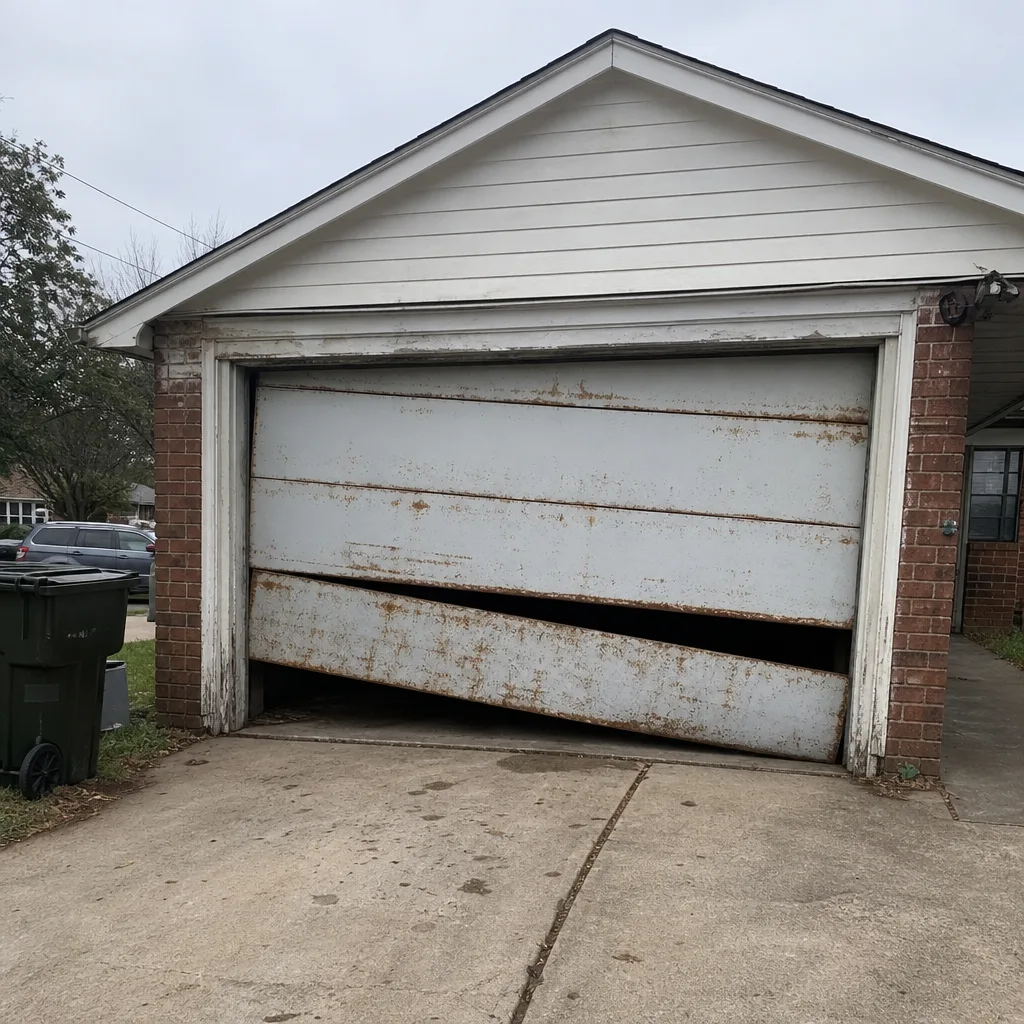 Before
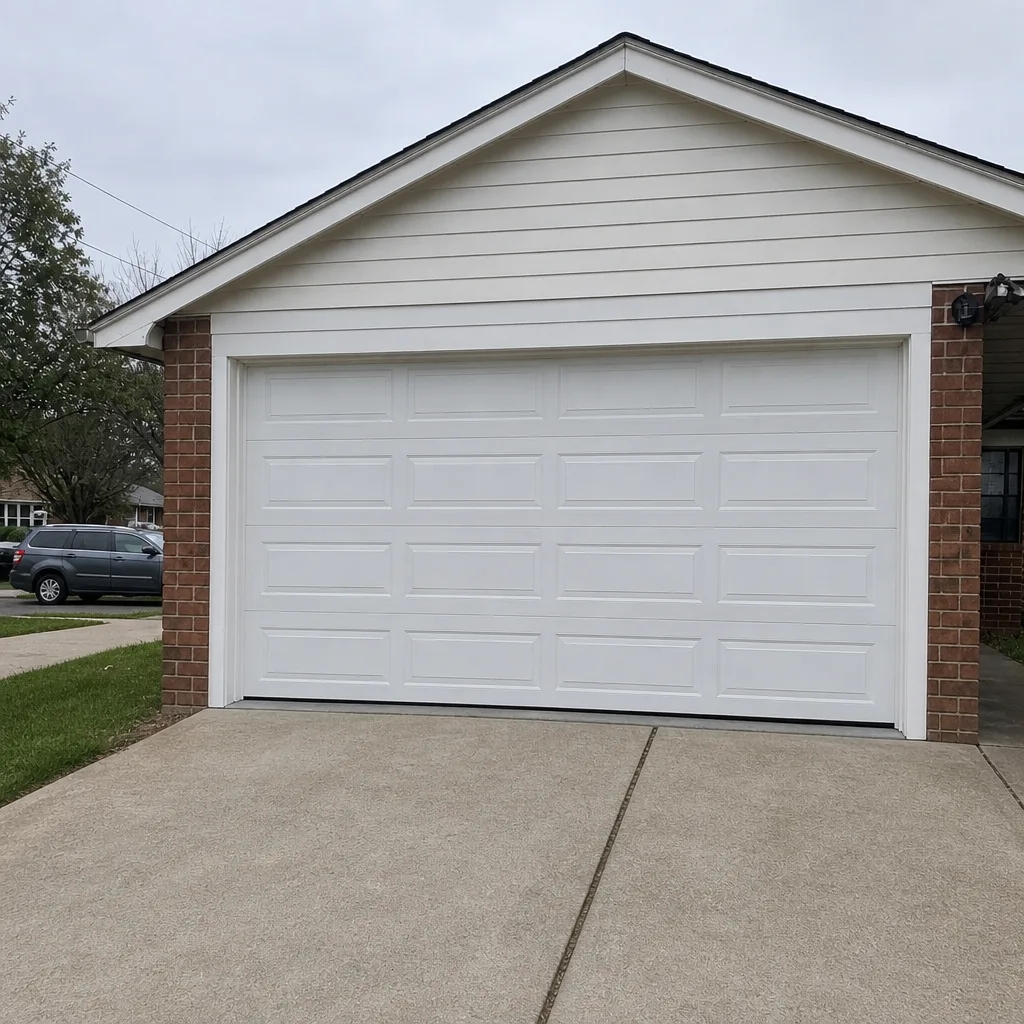 After
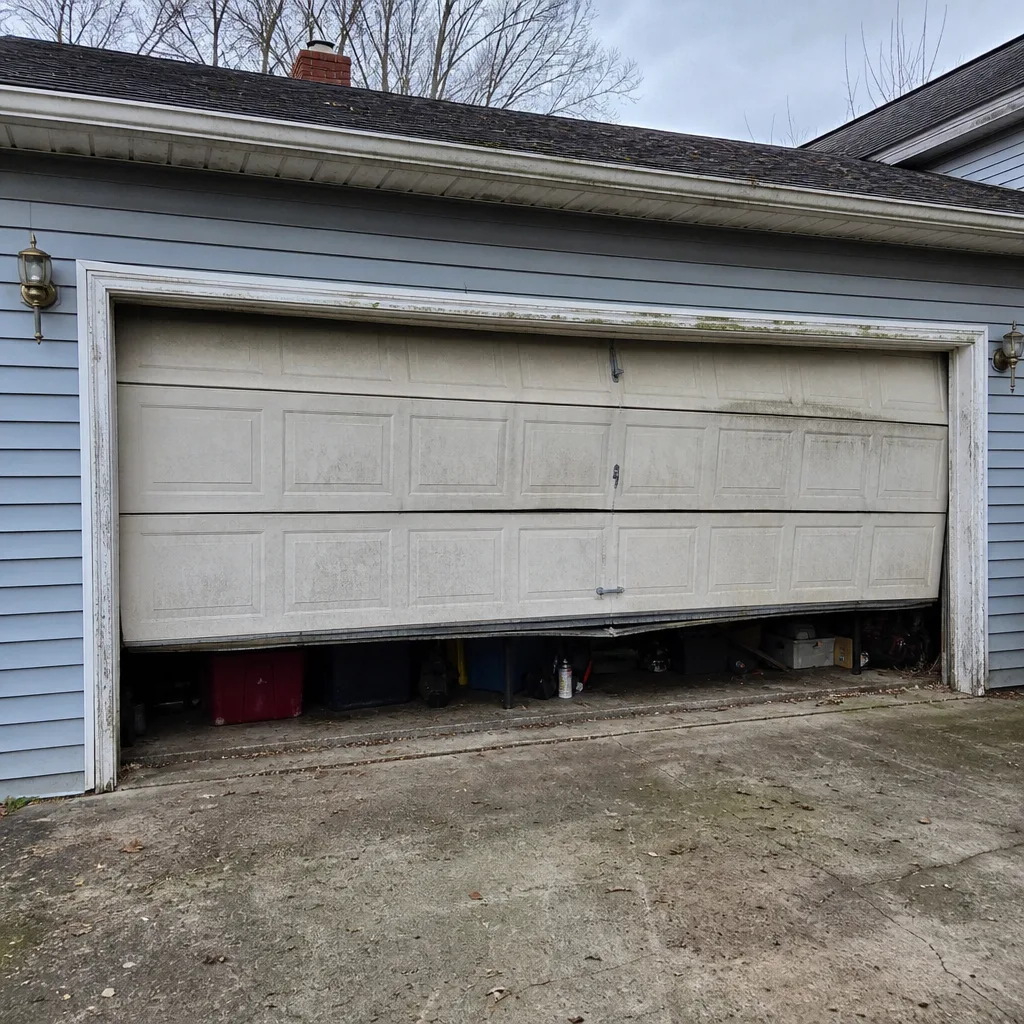 Before
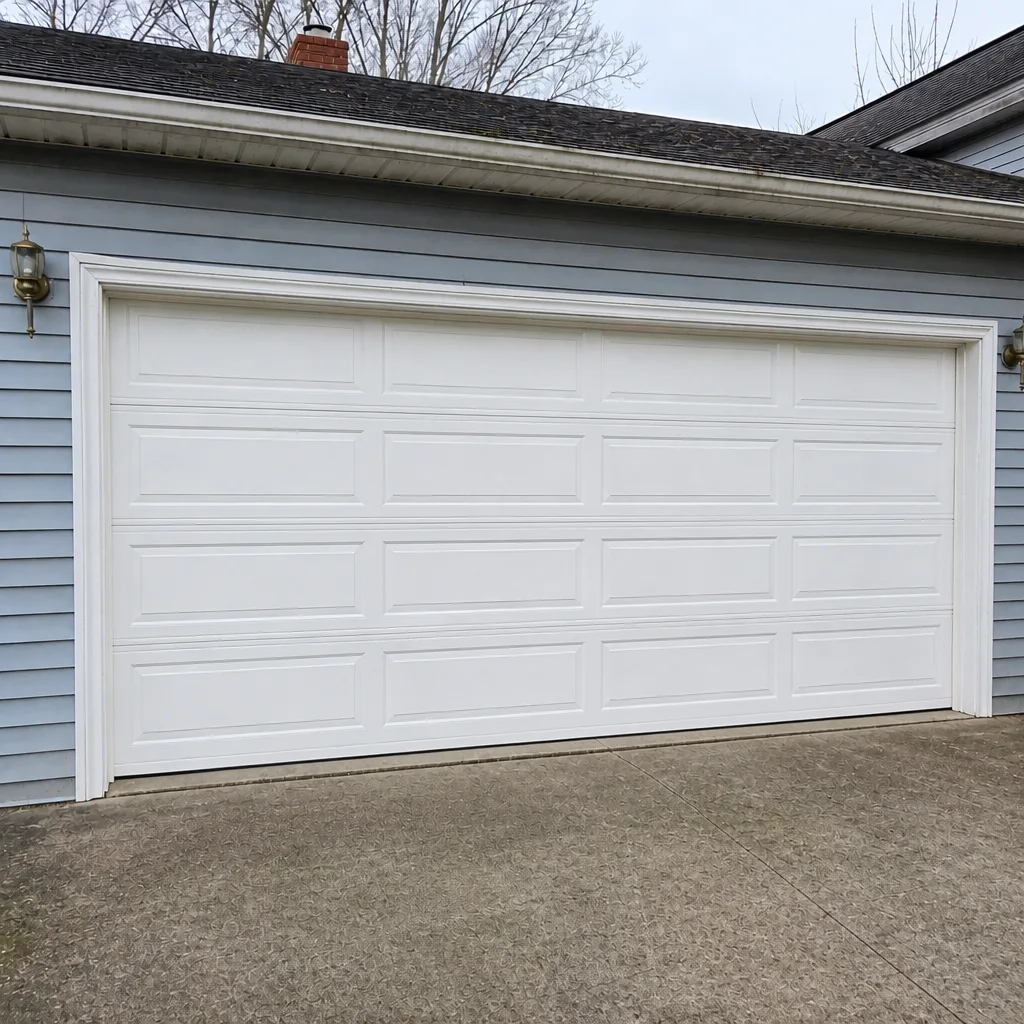 After
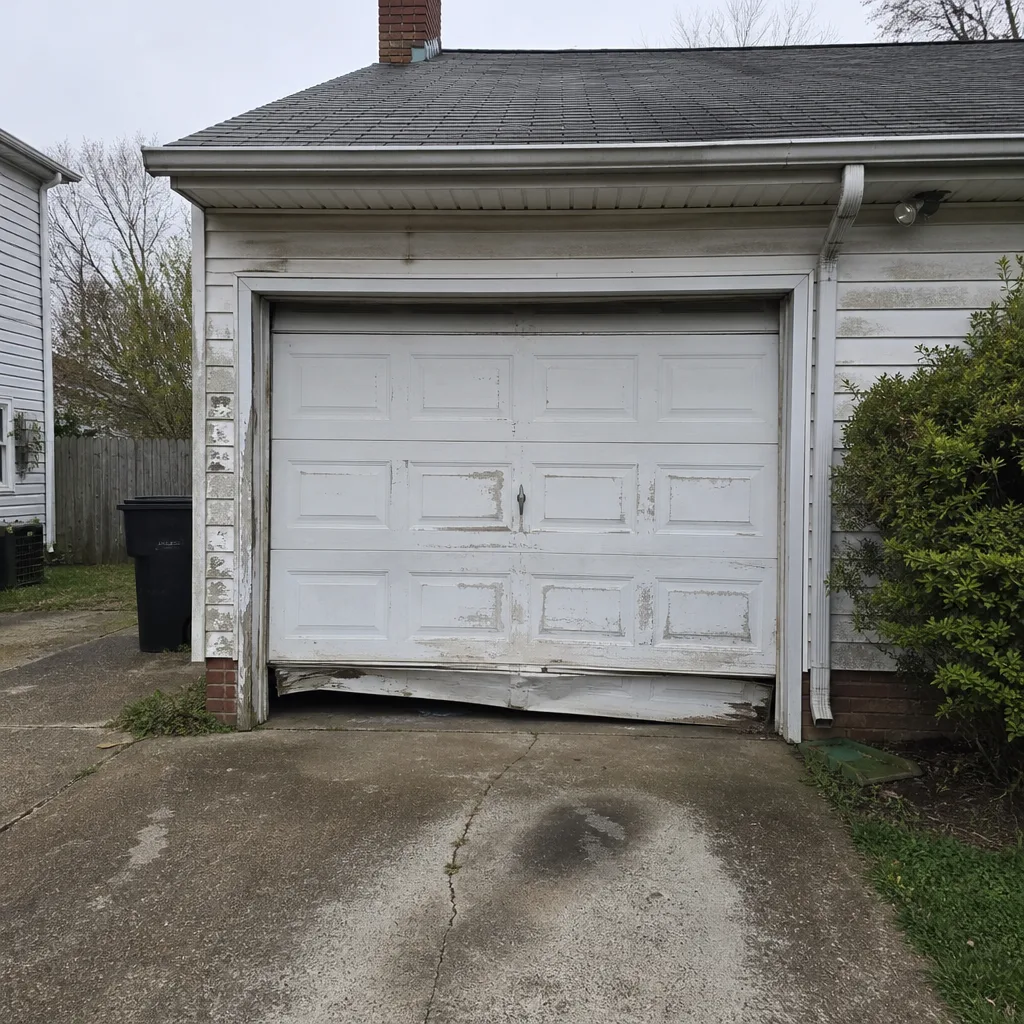 Before
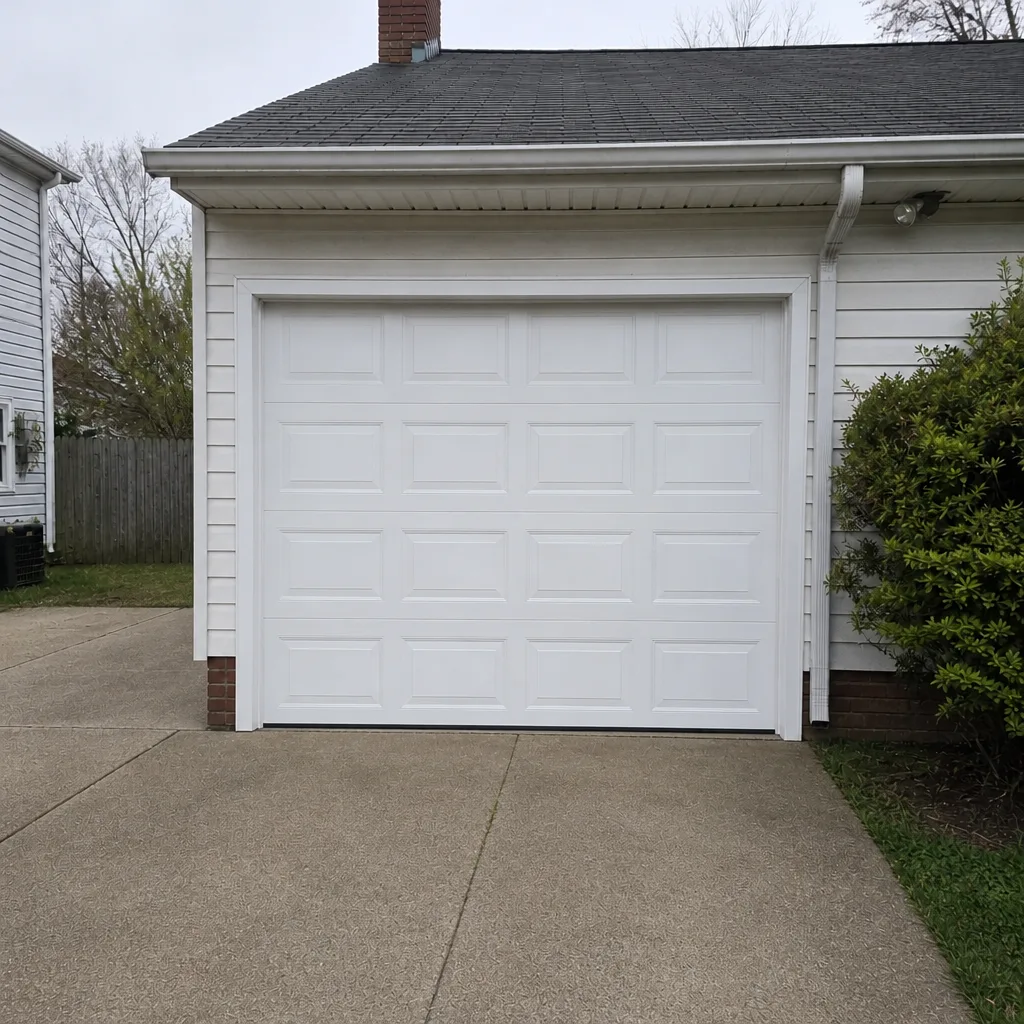 After
When to Call a Professional
Some garage door problems are quiet and can wait a day. Others are urgent, and knowing the difference matters. Call for same-day service when a spring is visibly broken, a cable has come off the drum, the door is off its track, the door won’t close and your home is left open, or the car is trapped inside. For a dead opener with an otherwise intact door, a dented panel, or a remote that stopped working, the next opening is almost always fine. Norfolk Garage Door Repair Pros offers free estimates in Norfolk – call (844) 321-8447. We answer 24/7. Fast dispatch from 7am to 7pm, Sunday through Friday. The written estimate sets the final price before any work starts, so you know what you’re agreeing to up front.
Frequently Asked Questions
Don’t force it. If the cord won’t pull, the trolley is likely jammed or the carriage is locked against the opener rail. Check that the door is fully closed, then try the release again with a firm, steady pull. If it still won’t release, the door is likely under spring tension or the opener has a mechanical binding that needs a technician. Call us rather than lifting a stuck door by hand.
It will work for a limited number of cycles, not for days of normal use. A well-maintained battery backup on a balanced door will get you in and out several times before it drains. Older lead-acid batteries and doors with weak springs drain faster. Test your backup before storm season so you know what to expect.
It depends on the job: a broken spring, a bent track, and a damaged opener panel are all different scopes. The written estimate sets the price before any work starts, and there’s no added premium for a call in the evening or on a Sunday. Call (844) 321-8447 for an exact quote – estimates are free.
Check the springs above the door for gaps or sagging, then look at the tracks and cables. If anything looks bent, slack, or off its drum, keep the door closed and call before operating it. A door that took a hit but still looks straight can fail on the first cycle.
No. A door with a broken spring is no longer supported against gravity, and it can drop without warning. Keep the door closed, keep kids and pets clear, and call for spring repair. This is the failure mode that causes the most injuries when homeowners try to work around it.
That’s exactly the situation emergency garage door service exists for. Call (844) 321-8447 and tell us what’s happening. We answer 24/7, and calls outside dispatch hours get booked into the next opening, Sunday through Friday, 7am to 7pm. A car trapped inside is one of the scenarios that gets prioritized.
The Bottom Line
Storm readiness for a garage door is not a product you buy. It’s a set of things you know, a few things you check, and a plan for the first hour after the wind passes. The door that holds up in Norfolk is the one that’s balanced, lubricated, and braced where it needs to be, with a backup battery that’s actually been tested. The door that fails is often the one nobody looked at since last season. And when something does fail, the difference between a quick repair and a long day is knowing when to call and when to wait. We work on your brand, we know the failure patterns here, and one call covers it. Call (844) 321-8447 for a free estimate. If you need a full replacement instead of a repair, our Norfolk Garage Door Repair Pros team can walk you through it, and the same goes for garage door repair across the region.
Written by the team at Norfolk Garage Door Repair Pros.