
Last updated November 21, 2026
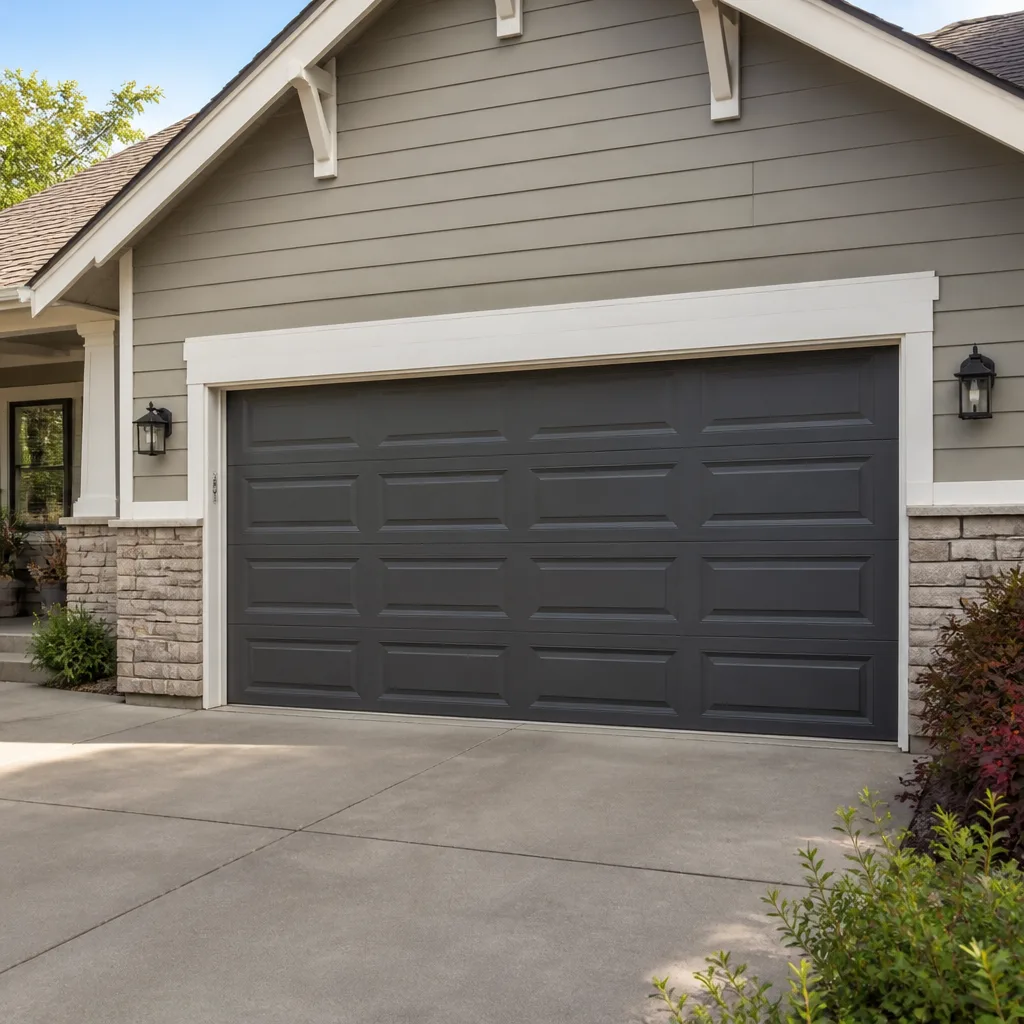 Raised-panel steel
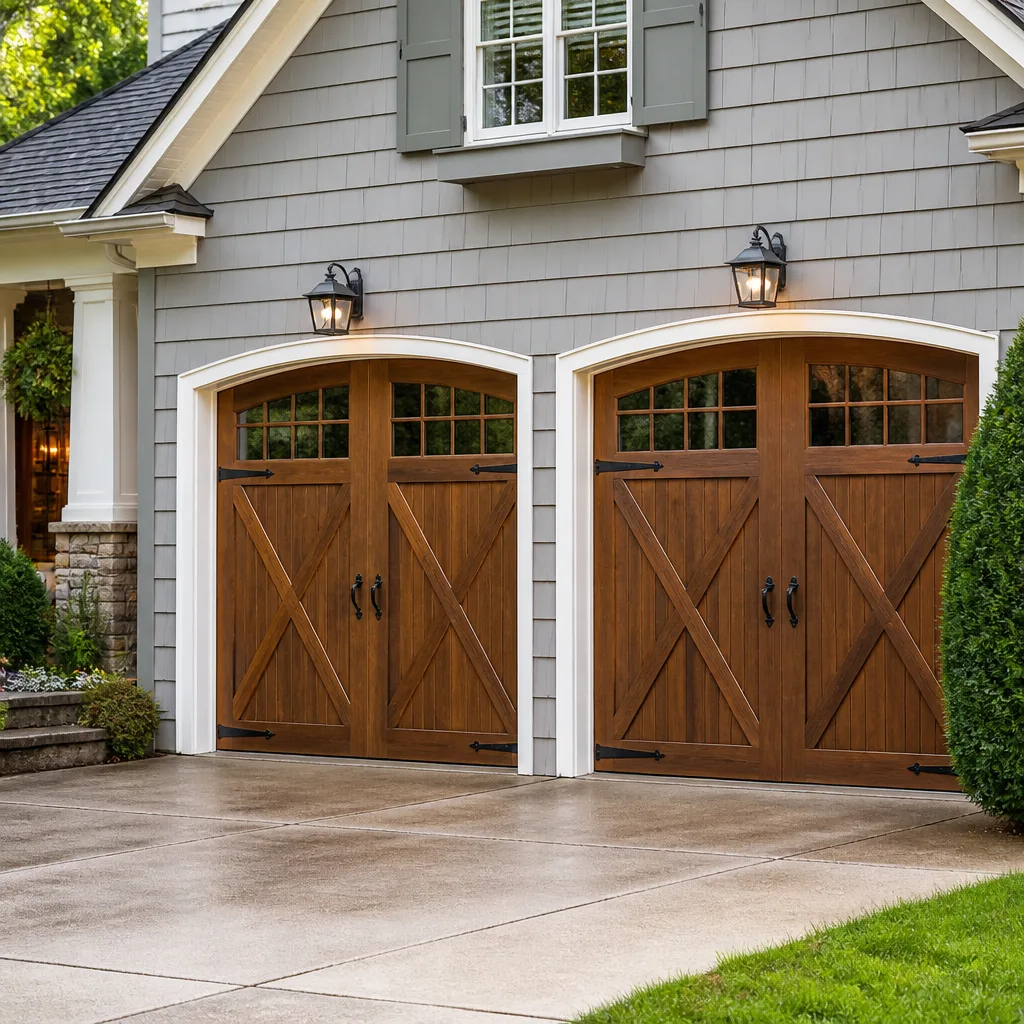 Carriage house
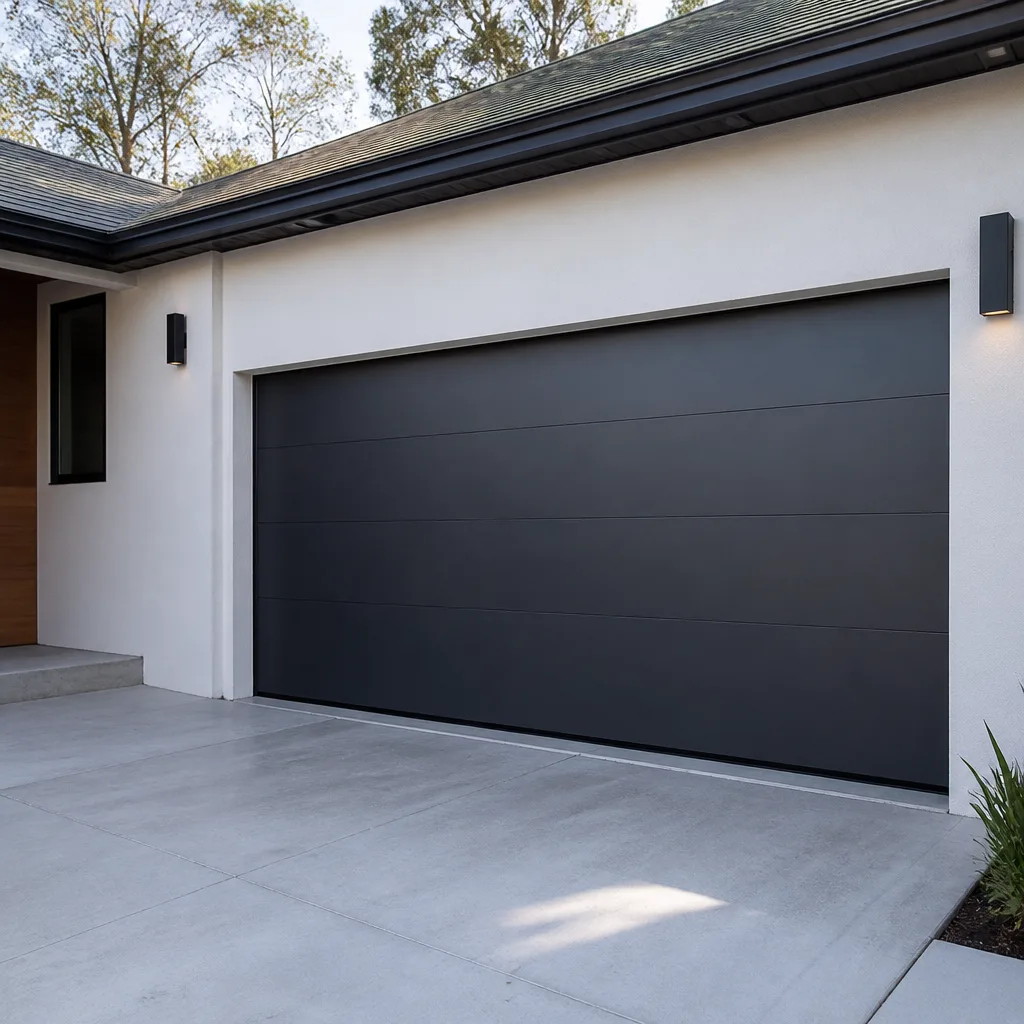 Modern flush
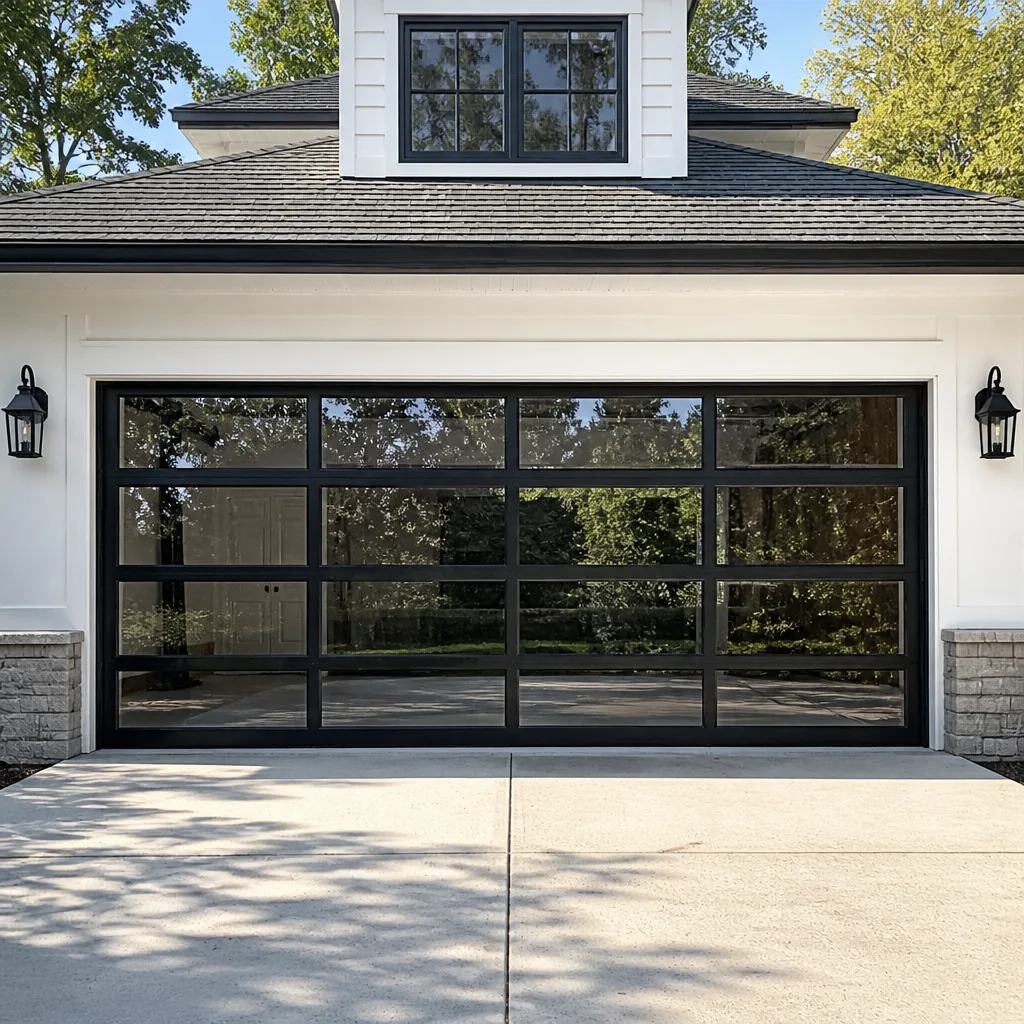 Full-view glass
 LiftMaster openers
 Chamberlain openers
Full 25-point door and opener safety check with every visit - springs, cables, rollers, tracks, and your LiftMaster or Chamberlain opener included
You get a price before we start. It does not change when the pro arrives.
Get your free estimateGarage Door Permits, Codes & Inspections in Norfolk, VA: What You Need to Know
Most homeowners assume that swapping out a garage door is a simple replace-and-go project, no paperwork required. In many inland Virginia towns, that assumption holds up. In Norfolk, it often doesn’t. Wind load requirements tied to the state’s coastal building code mean the door you choose and the way it’s anchored can matter as much as the door itself, especially if you ever plan to sell. Real estate agents around Hampton Roads have learned to check for this, and an unpermitted replacement can stall a closing or send a seller scrambling for a retroactive inspection. This guide explains what actually triggers a permit in Norfolk, how it differs from Portsmouth and Chesapeake, what inspectors look for, and why getting it right protects your investment.
Quick Answer
In Norfolk, a garage door replacement generally needs a building permit when the door’s size, weight, material, or wind-pressure rating differs from what was originally installed, and sometimes even for a like-for-like swap depending on how the city’s building department reads the scope. The permit process confirms the new door meets Virginia’s wind load requirements for this region. Inspectors verify installation and manufacturer documentation rather than just eyeballing the door, so having the right paperwork from the start saves real headaches later. Always confirm the current scope with the City of Norfolk’s building department before ordering a door.
Styles & brands we work with
- Raised-panel steel
- Carriage house
- Modern flush
- Full-view glass
- LiftMaster openers
- Chamberlain openers
Table of Contents
- When Does a Garage Door Replacement Need a Permit in Norfolk?
- Norfolk vs. Portsmouth vs. Chesapeake: How Permit Thresholds Differ
- Virginia’s Wind Load Requirements and Why Coastal Zones Matter
- What “Like-for-Like Replacement” Actually Means Legally
- How Inspectors Verify Wind Load Compliance
- The Documentation Your Door Manufacturer Must Provide
- The Real Cost of Skipping a Permit
- How to Choose a Garage Door Contractor Who Handles the Paperwork
When Does a Garage Door Replacement Need a Permit in Norfolk?
A garage door replacement in Norfolk usually needs a permit when the new door changes the size, weight, material, or wind-pressure rating of the original. A strict like-for-like swap may or may not require one depending on how the city’s building department classifies the work, so the safe move is to call and ask before you buy. Norfolk’s building department reviews work against the Virginia Uniform Statewide Building Code, and that code sets requirements for structural attachments and wind resistance that most inland jurisdictions don’t apply as strictly.
Here’s how to think about the threshold in practical terms:
- New construction or added garage: Always permitted. The door is part of the structural envelope.
- Change in door size or weight: Permitted. A heavier door changes the load on the header and the spring system.
- Change in material (steel to wood, for example): Usually permitted, because the wind rating and weight change.
- Same size, same material, same wind rating: Ask the city directly. Some jurisdictions waive the permit; Norfolk may still want a review depending on the specific door and its rated performance.
- Cosmetic changes (paint, hardware, weatherstripping): No permit. These don’t touch the structural or wind-resistance elements.
In our experience, the confusion comes from doing the work first and asking questions later. A door that looks identical can carry a different wind-pressure rating depending on the model year and manufacturer, and that’s the detail an inspector will want to see. If you’re replacing a door on a home in neighborhoods like Ghent, Larchmont, or Wards Corner, where housing stock ranges from century-old to mid-century, the original door may not match anything currently in production. That gap alone can turn a “simple swap” into a permitted project. When you’re planning a replacement, it’s worth a quick call to the city’s building department to confirm the scope before you order. Our team can walk you through what a given door model typically requires.
Norfolk vs. Portsmouth vs. Chesapeake: How Permit Thresholds Differ
Permit thresholds differ across Hampton Roads because each city interprets and applies the state code with its own local amendments and review practices. Norfolk tends to be the most careful about wind load documentation, Portsmouth follows closely, and Chesapeake applies somewhat different thresholds depending on the parcel’s wind-borne debris region designation. None of the three is dramatically looser than the others, but the details matter, and a contractor who works across all three will know where the friction points are.
What actually changes from city to city:
- Review depth: Norfolk typically asks for manufacturer documentation confirming the door’s design pressure rating. Portsmouth’s review is similar but the submission format can differ.
- Like-for-like interpretation: Cities don’t always agree on whether a same-size replacement needs a permit. Norfolk leans toward requiring one when the door’s rated performance isn’t documented; Chesapeake may be more flexible on exact matches.
- Inspection scheduling: Turnaround times vary, and the inspection itself focuses on attachment, anchorage, and documentation rather than the door’s appearance.
- Historic districts: Parts of Norfolk and Portsmouth have historic overlay requirements that add a design review step on top of the building permit. If your home is in one of these areas, factor that in before choosing a door style.
We work on doors across this region, and the pattern we see is consistent: homeowners who assume all three cities treat garage doors the same end up frustrated. If you’re replacing a door, ask your contractor which jurisdiction’s rules apply to your address and what documentation the door manufacturer will supply. If the answer is vague, that’s a flag. We’re factory-familiar with Clopay and Amarr doors, both of which provide the wind load documentation inspectors typically request, and that’s part of why we’re comfortable walking homeowners through the process in Norfolk, Portsmouth, and Chesapeake alike. If your project is in Portsmouth, our garage door repair team handles the same permitting questions there.
Virginia’s Wind Load Requirements and Why Coastal Zones Matter
Virginia’s Uniform Statewide Building Code requires exterior components, including garage doors, to resist the wind pressures expected in the region where the home is built. Hampton Roads sits in a wind zone that requires higher design pressure ratings than inland Virginia, and that’s the core reason a garage door replacement here isn’t the same as one in, say, Richmond or Charlottesville. The code doesn’t just apply to new construction; it applies to replacement components that affect the building envelope.
What this means for a homeowner:
- Doors are rated by design pressure: Manufacturers publish a design pressure rating for each door model and size. The rating must meet or exceed what the code requires for your location.
- Anchorage matters as much as the door: A high-rated door installed with undersized or improperly spaced fasteners won’t pass. The inspector checks the attachment, not just the label.
- Wind-borne debris regions: Parts of the region are designated wind-borne debris areas, which can add impact-resistance requirements depending on the door’s location on the home.
- Documentation is the deliverable: The manufacturer’s published rating and installation instructions are what the inspector reviews against the code requirement.
In our experience, this is where budget doors become expensive. A door without clear wind load documentation may cost less upfront, but it can fail inspection or force a re-do. Norfolk homes near the Lafayette River and in low-lying areas face the same code requirement as homes on higher ground; the difference is exposure, not exemption. If you’re considering a replacement this year, ask us or your contractor to confirm the door’s design pressure rating against your address before you commit. The Newark-style assumption that “a door is a door” doesn’t hold up here, and that’s a good thing for how your home performs in a storm.
What “Like-for-Like Replacement” Actually Means Legally
“Like-for-like” sounds straightforward, but legally it means the new door matches the existing one in every characteristic that affects code compliance: dimensions, weight, material, and rated wind performance. If any of those change, the replacement is not like-for-like, and the permit question becomes moot because a permit is required. Many homeowners discover that the door they want is lighter, heavier, or rated differently than the one being removed, which turns a “swap” into a permitted alteration.
The practical test:
- Measure the opening and the door: Width, height, and thickness must match the existing door’s specifications.
- Confirm the material and construction: Steel to steel is one thing; steel to wood or insulated to uninsulated changes the weight and performance.
- Match the wind rating: The new door’s design pressure rating must equal or exceed the old door’s rated performance for your address.
- Check the track and hardware: If the new door requires different tracks or springs, the scope has changed and the permit picture changes with it.
- Document everything: Keep the original door’s specifications and the new door’s documentation. If a question arises at resale, you’ll have the answer.
Here’s where it gets interesting: even a perfect like-for-like replacement may still require a permit in Norfolk if the original door’s rated performance isn’t documented. The city can’t confirm compliance against a door it has no record of. That’s why we tell homeowners to think of the permit as insurance for the next owner as much as for themselves. If you’re planning a garage door installation, the paperwork conversation should happen before the order, not after. We’ve seen this pattern enough times in Norfolk that we now lead with it.
How Inspectors Verify Wind Load Compliance
Inspectors verify wind load compliance by reviewing the manufacturer’s published design pressure rating for the installed door, confirming the door matches what was permitted, and checking the anchorage and installation against the manufacturer’s instructions. They are not testing the door’s performance in a wind tunnel; they are confirming the paperwork matches the physical installation. The inspection is a documentation check as much as a construction check.
What typically happens during the inspection:
- Door identification: The inspector matches the installed door to the model and size listed on the permit and in the manufacturer’s documentation.
- Rating verification: The design pressure rating is checked against the code requirement for the home’s location.
- Anchorage review: Fasteners, spacing, and attachment points are checked against the manufacturer’s installation instructions.
- Track and hardware: The track, brackets, and spring system are reviewed for proper installation and compatibility with the door.
- Label and marking check: Many doors carry a permanent label or marking that identifies the model and rating; the inspector confirms it’s present and legible.
The most common failure we see is a mismatch between the permitted door and the installed door, usually because a substitution was made at the supply house without updating the permit. The second most common is missing documentation. Both are avoidable. When we handle a replacement in Norfolk, we confirm the door model and its documentation before the permit is filed so the inspection matches what was approved. That’s a small step that saves a lot of back-and-forth. If your door carries a Clopay or Amarr label, the documentation is straightforward to pull; other brands we work with, including Wayne Dalton and Craftsman, also publish what inspectors need.
The Documentation Your Door Manufacturer Must Provide
Your door manufacturer must provide a published design pressure rating for the specific door model and size, installation instructions that specify anchorage and fastener requirements, and a product label or marking that identifies the door and its rating. In Norfolk, these documents are what the building department reviews during permit application and what the inspector checks against the installed door. Without them, the permit can’t be properly issued or the inspection properly closed.
The documents to have in hand:
- Design pressure rating certificate or published data: Shows the door’s rated performance for the specific size and configuration.
- Installation instructions: Specifies fastener type, spacing, and attachment points for the door and track.
- Product label or marking: A permanent identifier on the door that the inspector can match to the documentation.
- Wind-borne debris compliance (if applicable): For doors in designated debris regions, additional testing documentation may be required.
- Permit application materials: The submitted drawings and specifications that describe the scope of work.
What homeowners should know: the manufacturer provides these documents, but the contractor is responsible for submitting them in a usable form and for installing the door as specified. A gap between the two is where problems start. We’ve seen doors installed correctly but with the wrong documentation filed, which delays the inspection and can require a resubmission. Factory-familiarity with brands like Clopay and Amarr means we know what documentation each manufacturer supplies and how to submit it correctly the first time. If you’re weighing door options, ask to see the design pressure rating for your address before you commit, and confirm who is providing the documentation to the city. Our garage door opener repair team can also advise on opener compatibility with a new door, since the two systems work together.
The Real Cost of Skipping a Permit
Skipping a permit in Norfolk can cost you at resale, in an insurance claim, and in the inspection process itself. The most common consequence is a failed home inspection when a buyer’s inspector flags an unpermitted replacement, which can delay or derail a closing. Less common but more expensive is an insurance claim denial after storm damage, where an adjuster finds the door wasn’t permitted or doesn’t meet the wind load requirement. And if the city discovers unpermitted work, you may face a retroactive permit and inspection process that costs more than the original permit would have.
Here’s how the costs stack up:
- Resale: A buyer’s inspector or agent can flag the unpermitted door, and the fix is often a retroactive permit plus any required corrections before closing.
- Insurance: If the door fails in a storm and the claim review finds it wasn’t permitted or doesn’t meet code, coverage for that damage can be disputed.
- City enforcement: Unpermitted work discovered during a later inspection or permit application can trigger a stop-work order or a retroactive permit process.
- Documentation gaps: Without a permit trail, proving the door’s rating and installation compliance becomes harder for the next owner.
We don’t say this to scare anyone. The permit itself is usually a modest line item compared to a delayed closing or a disputed claim. In a market like Norfolk’s, where buyers and their agents are alert to wind load documentation, a clean paper trail is part of the home’s value. The good news is that the process is manageable when it’s planned up front. Our Norfolk Garage Door Repair Pros team builds the permit step into every replacement quote so there are no surprises after the door is ordered. If you’re unsure whether your existing door was permitted, our technicians can review the documentation you have and flag what’s missing.
How to Choose a Garage Door Contractor Who Handles the Paperwork
Choose a contractor who asks about your address before recommending a door, who knows the wind load requirements for Norfolk’s building department, and who plans the permit step into the quote rather than treating it as an afterthought. The right contractor will confirm the door model’s design pressure rating against your location before you order, submit the documentation correctly, and coordinate the inspection. That combination is more valuable than a lower bid that leaves the paperwork to you.
What to ask before hiring:
- “Will this door need a permit at my address?” A contractor who works in Norfolk regularly should know the answer or know exactly who to call.
- “Who submits the documentation to the city?” The answer should be the contractor, not you.
- “What is the door’s design pressure rating, and does it meet the requirement for my location?” This is the question that separates a prepared contractor from a hopeful one.
- “Who handles the inspection scheduling?” The contractor should coordinate it and be present if needed.
- “Is the local pro licensed and insured as the state requires?” Ask for the details and verify them.
- “Will the price I’m quoted change after the permit is pulled?” The written estimate should set the price; the permit scope should be agreed before work starts.
We’re comfortable with these questions because we ask them ourselves. Our technicians have up to 10 years of experience, and we work across the brands that publish the documentation Norfolk’s inspectors want, including Clopay, Amarr, and Wayne Dalton. The price is quoted and agreed before any work starts, and the written estimate is the price you pay. If a replacement is on your radar, our garage door installation service covers the measurement, documentation, and inspection coordination as part of the job. And if a door is failing right now, our emergency service gets you back up and running; we answer 24/7, with fast dispatch from 7am to 7pm, Sunday through Friday.
Common Mistakes to Avoid
- Assuming “same size” means “no permit.” In Norfolk, the wind load documentation matters, and a same-size door without a rated performance gap can still require review. Ask the building department before ordering, not after.
- Ordering the door before checking the permit scope. The door’s model and rating determine the permit requirements, so the order should follow the paperwork conversation, not the other way around. Reversing the sequence is the most common way replacement projects get delayed.
- Overlooking historic district requirements. Parts of Norfolk and Portsmouth have overlay districts that add a design review step. If your home is in one, the permit process involves more than the building department.
- Substituting the door after the permit is filed. A supply-house substitution without updating the permit creates a mismatch the inspector will catch. Confirm the installed door matches the permitted door before the inspection is scheduled.
- Relying on the installer’s word for wind load compliance. Ask for the manufacturer’s design pressure documentation for your specific model and address, and keep a copy. The inspector will ask for it, and so will a buyer’s agent.
- Assuming all Hampton Roads cities treat the door the same. Norfolk, Portsmouth, and Chesapeake apply the state code with different review practices, and a project that’s fine in one city may need a permit in another.
- Waiting until closing to sort out the paperwork. A retroactive permit process is more expensive and more stressful than pulling the permit up front. If you’re selling, review your door’s permitting history early.
See the difference
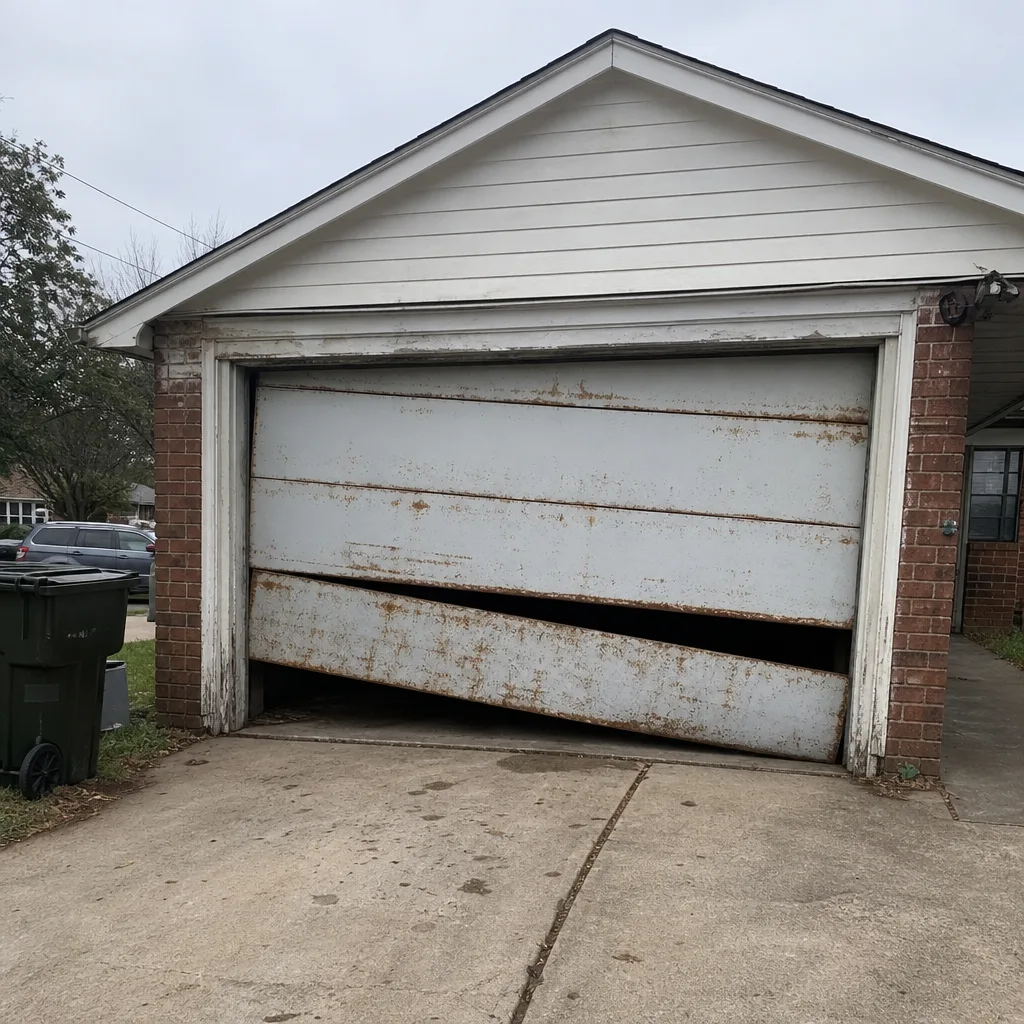 Before
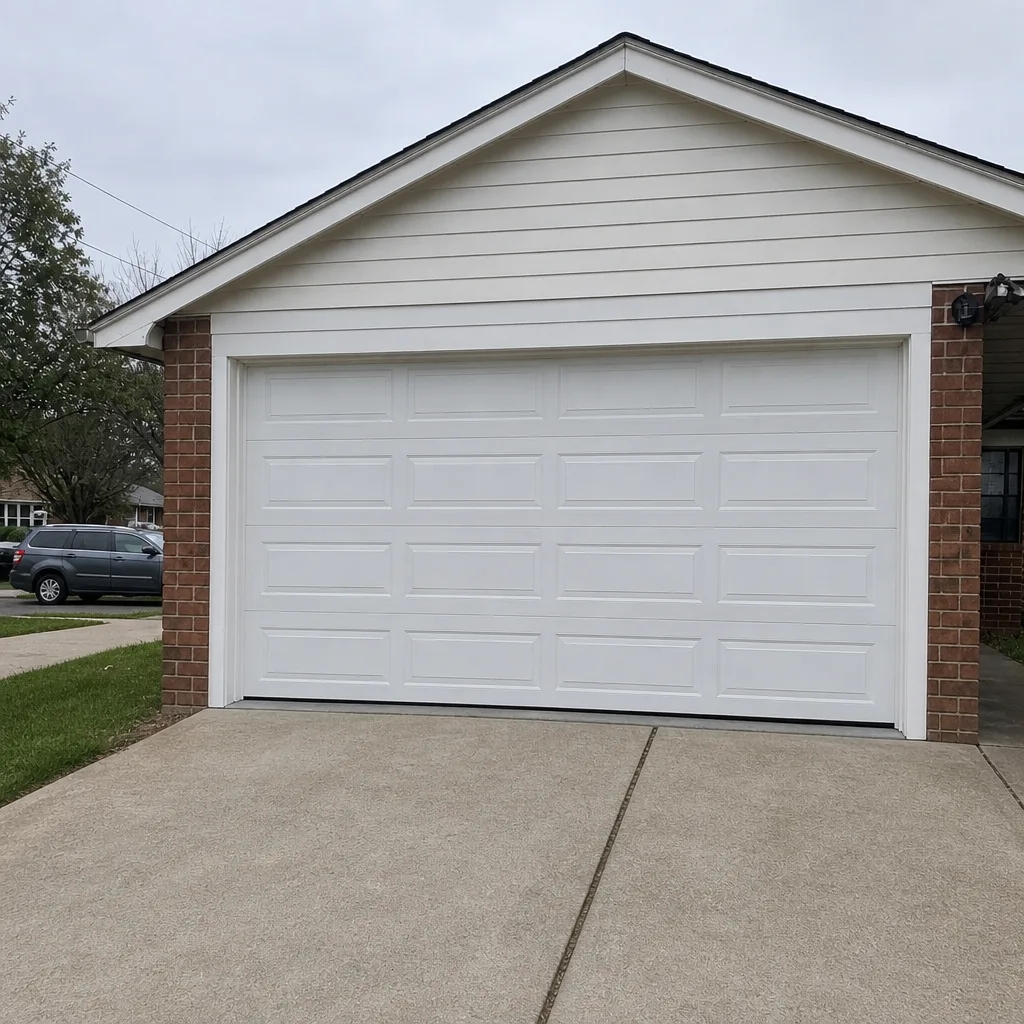 After
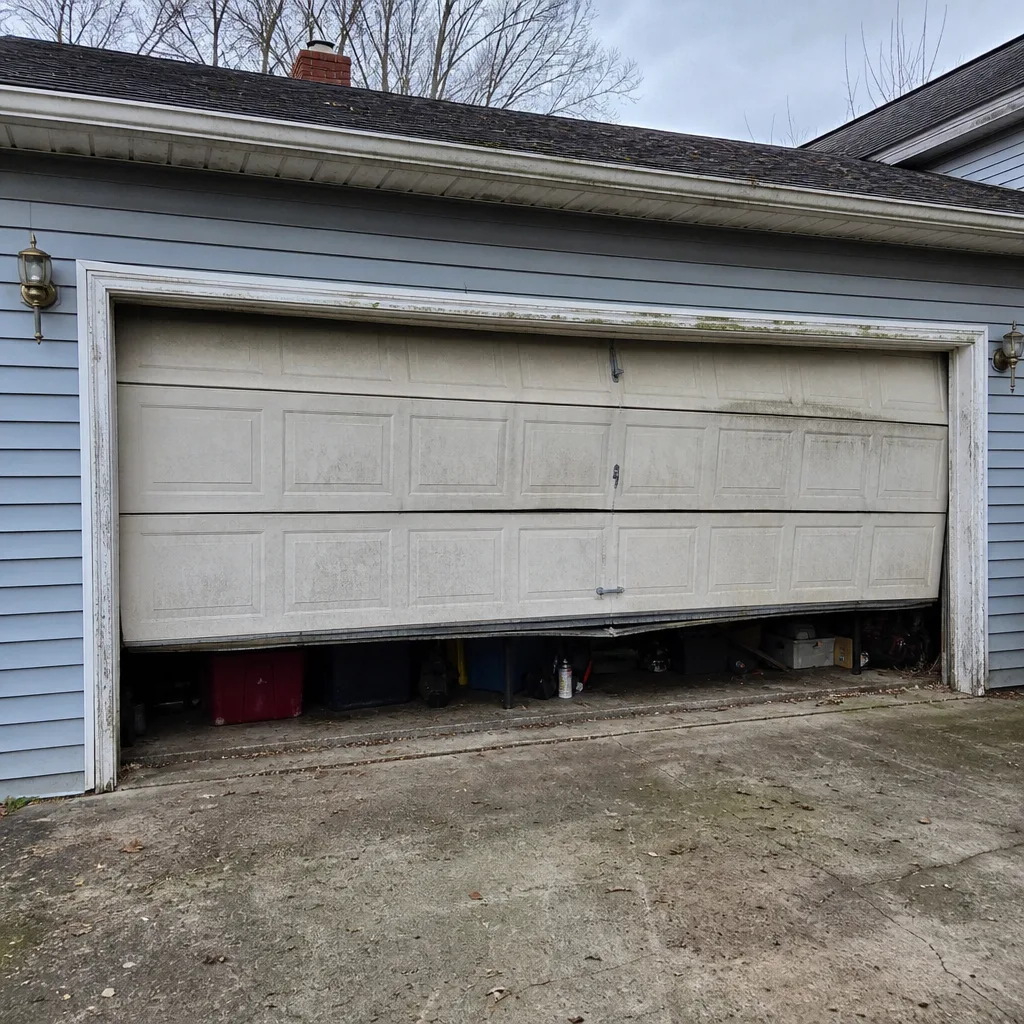 Before
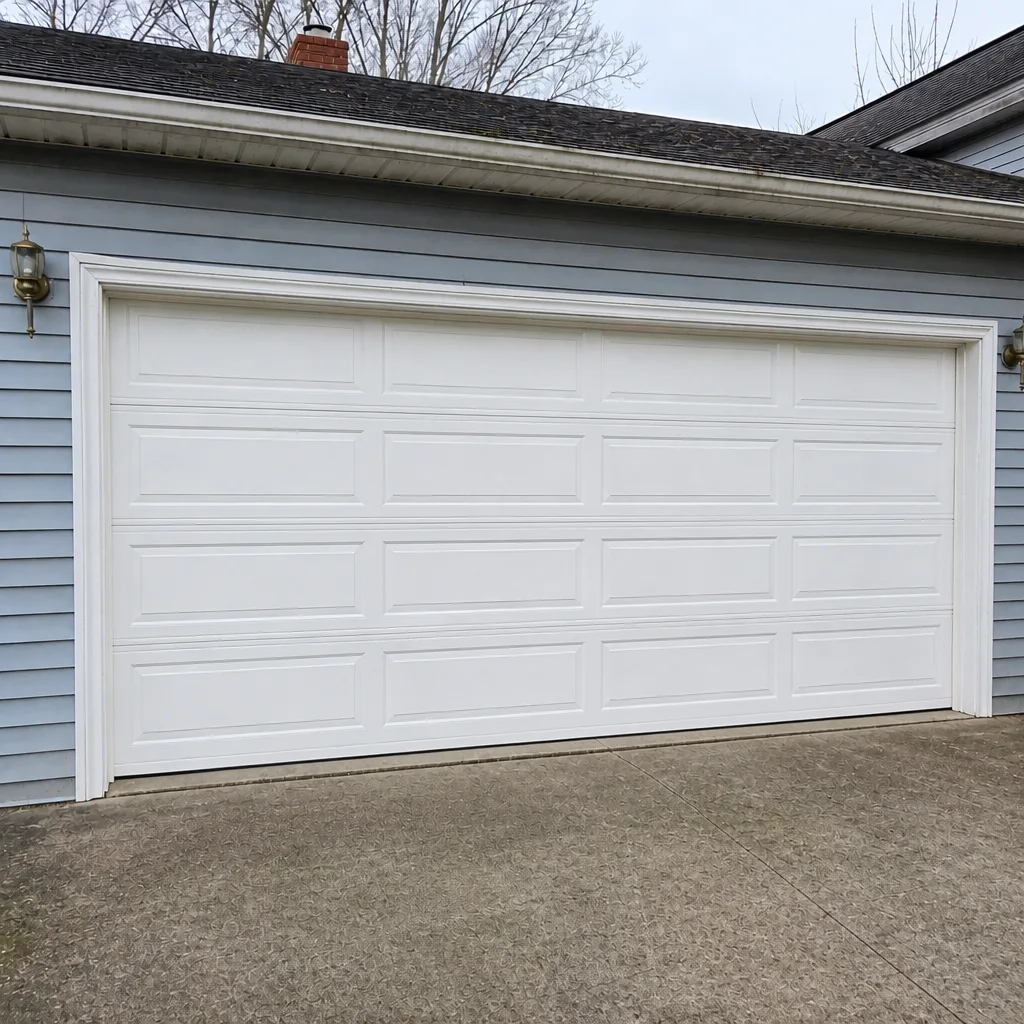 After
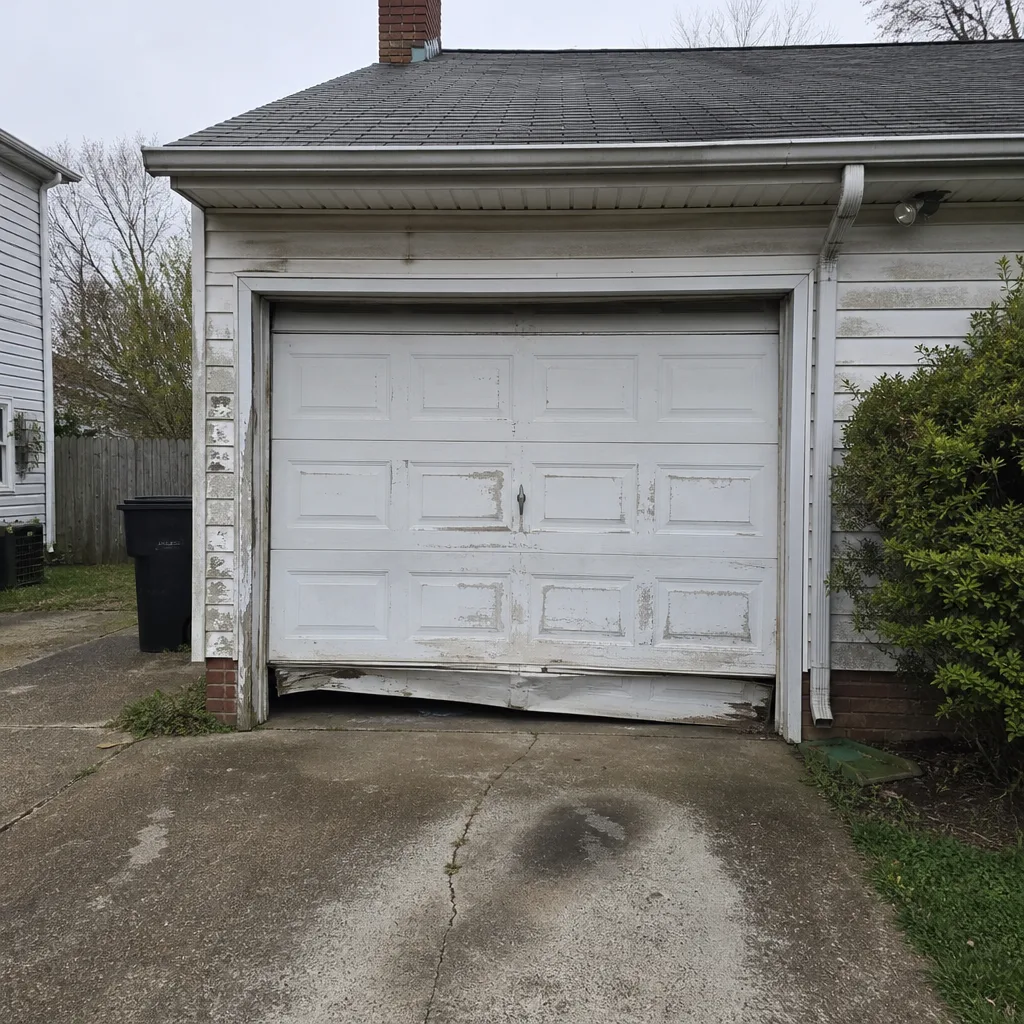 Before
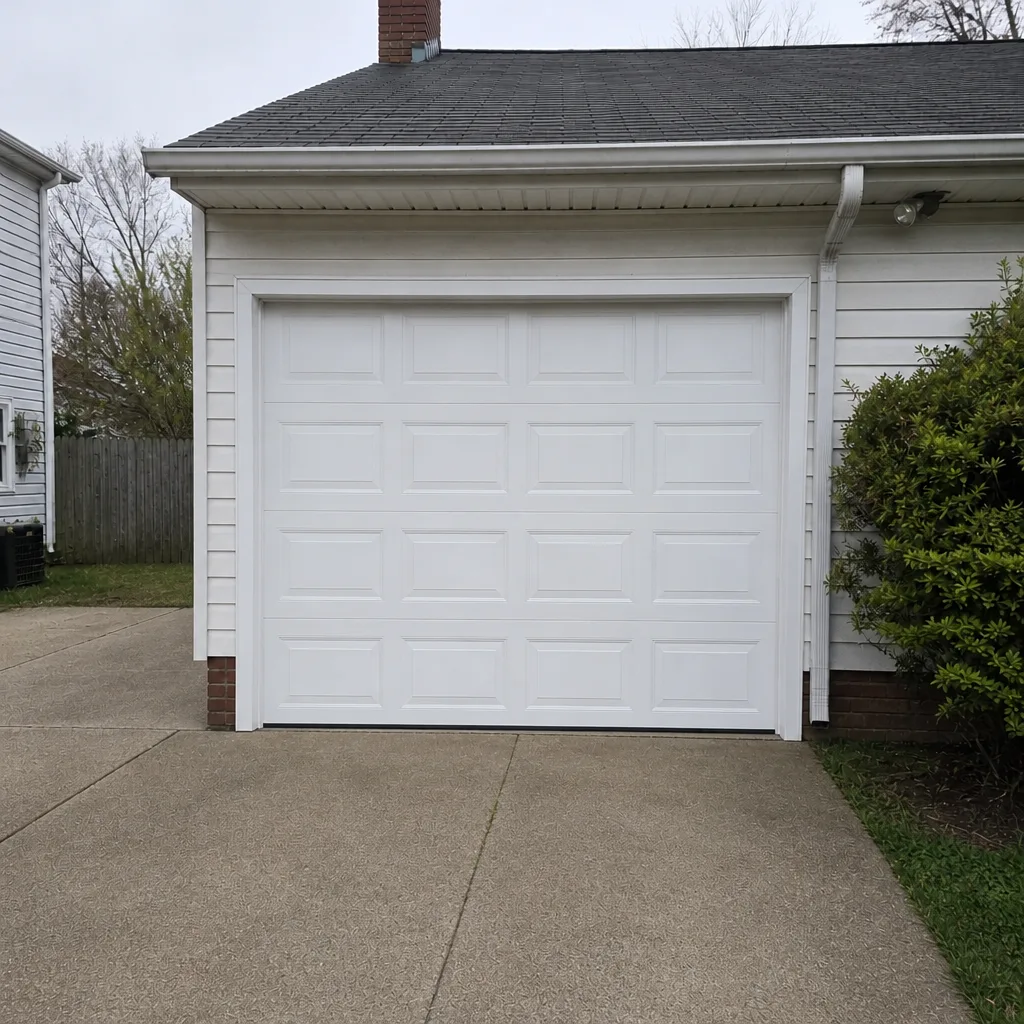 After
When to Call a Professional
Call a professional when the door needs replacement rather than repair, when you’re unsure whether the existing door was permitted, when the door’s wind load rating is undocumented, or when you’re in a historic district and the design review step is unclear. A trained technician can assess the door’s condition, confirm what documentation is available, and tell you whether the scope requires a permit in Norfolk. Spring and torsion work is genuinely dangerous and isn’t a DIY project; the same goes for anchor and track adjustments that affect wind resistance. If a spring has failed, spring failures don’t wait. Norfolk Garage Door Repair Pros offers free estimates in Norfolk. Call (844) 321-8447 to schedule an assessment and get a written price before work starts.
Frequently Asked Questions
In Norfolk, you generally need a permit when the replacement changes the door’s size, weight, material, or wind-pressure rating, and sometimes even for a strict like-for-like swap depending on the building department’s review. Call the City of Norfolk’s building department with your address and the door model to confirm before ordering. For a written estimate on the installation itself, call (844) 321-8447; estimates are free.
The cost of fixing an unpermitted replacement usually includes a retroactive permit, any required corrections, and inspection fees, and can also include the market cost of a delayed closing if you’re selling. Rates vary by what the city requires, so the exact figure comes from the building department and the contractor’s written estimate. Call (844) 321-8447 for an assessment and a written quote on bringing the installation into compliance; estimates are free.
No, the three cities apply Virginia’s Uniform Statewide Building Code with their own review practices and interpretations, so the thresholds can differ. Norfolk tends to be the most careful about wind load documentation, and Portsmouth follows closely. Before ordering a door in any of the three, confirm the requirement for your specific address with that city’s building department. For help with the installation side in Portsmouth, call (844) 321-8447.
No. The written estimate we give you is the price, quoted and agreed before any work starts. If the permit scope or door model changes after the assessment, we revise the estimate in writing before the work continues, never after. Call (844) 321-8447 to schedule a free estimate in Norfolk.
Yes, we offer same-day service for repair calls in Norfolk, and emergency garage door service for doors that leave a car trapped, a home unsecured, or a business blocked. Call (844) 321-8447. We answer 24/7. Fast dispatch from 7am to 7pm, Sunday through Friday. Replacement installations are scheduled after a free measure and written price.
The local pro performing the work is licensed and insured as their state requires, and we can provide those details when you call. Our technicians have up to 10 years of experience and are factory-familiar with the major brands, including Clopay, Amarr, and Wayne Dalton. Call (844) 321-8447 to confirm credentials and get a free estimate.
The Bottom Line
In Norfolk, a garage door replacement is a permitting question before it’s a product question. The wind load requirements tied to Virginia’s coastal building code apply to more replacements than most homeowners expect, and the difference between a permitted and unpermitted job shows up at resale, in insurance claims, and in the inspection process. Norfolk, Portsmouth, and Chesapeake each apply the code with their own review practices, so confirm the scope for your address before ordering the door. Keep the manufacturer’s design pressure documentation, confirm the installed door matches the permitted door, and ask your contractor who is handling the paperwork. It’s a manageable process when it’s planned up front, and a costly one when it isn’t. We’re here to walk you through it.
Call (844) 321-8447 for a free estimate. We answer 24/7. Fast dispatch from 7am to 7pm, Sunday through Friday. Whether you’re replacing a door in Ghent or need an emergency spring repair in Larchmont, one call covers it.
Written by the team at Norfolk Garage Door Repair Pros.