
Last updated November 21, 2026
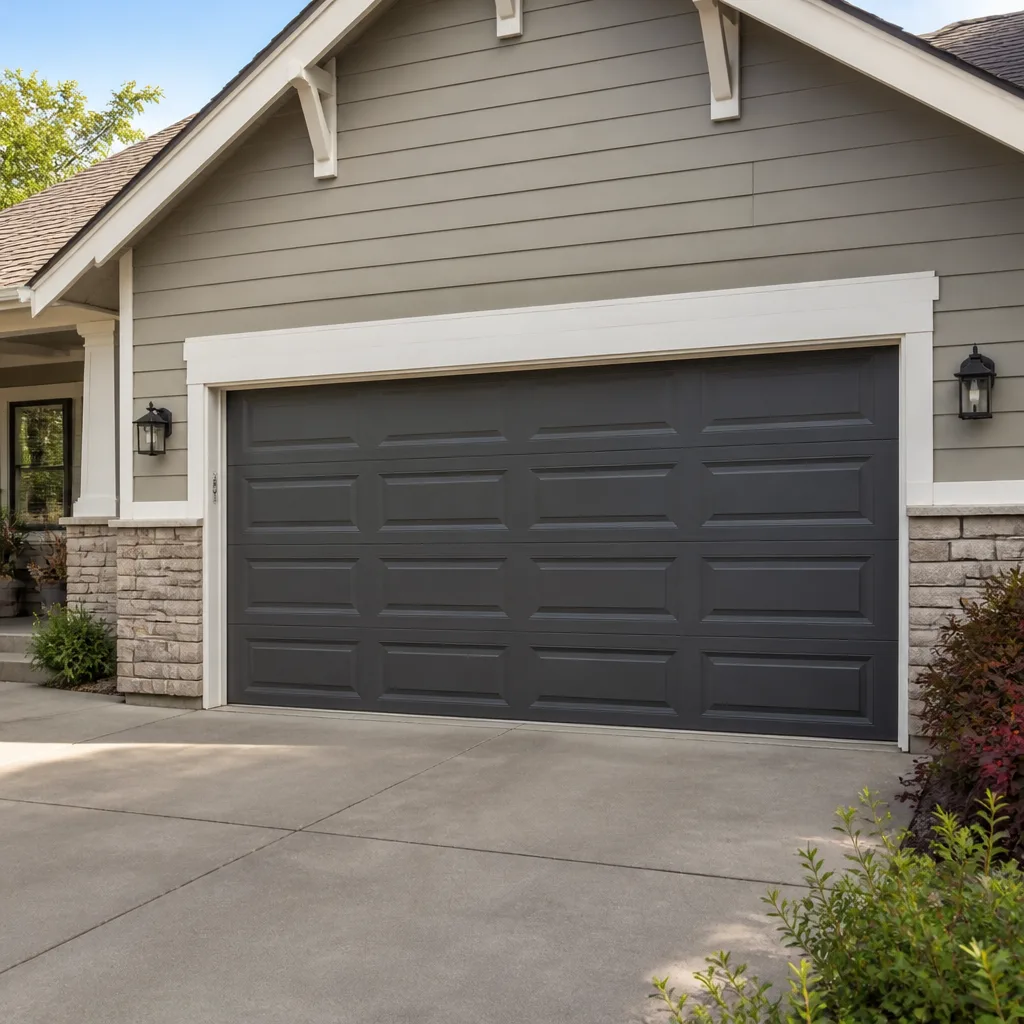 Raised-panel steel
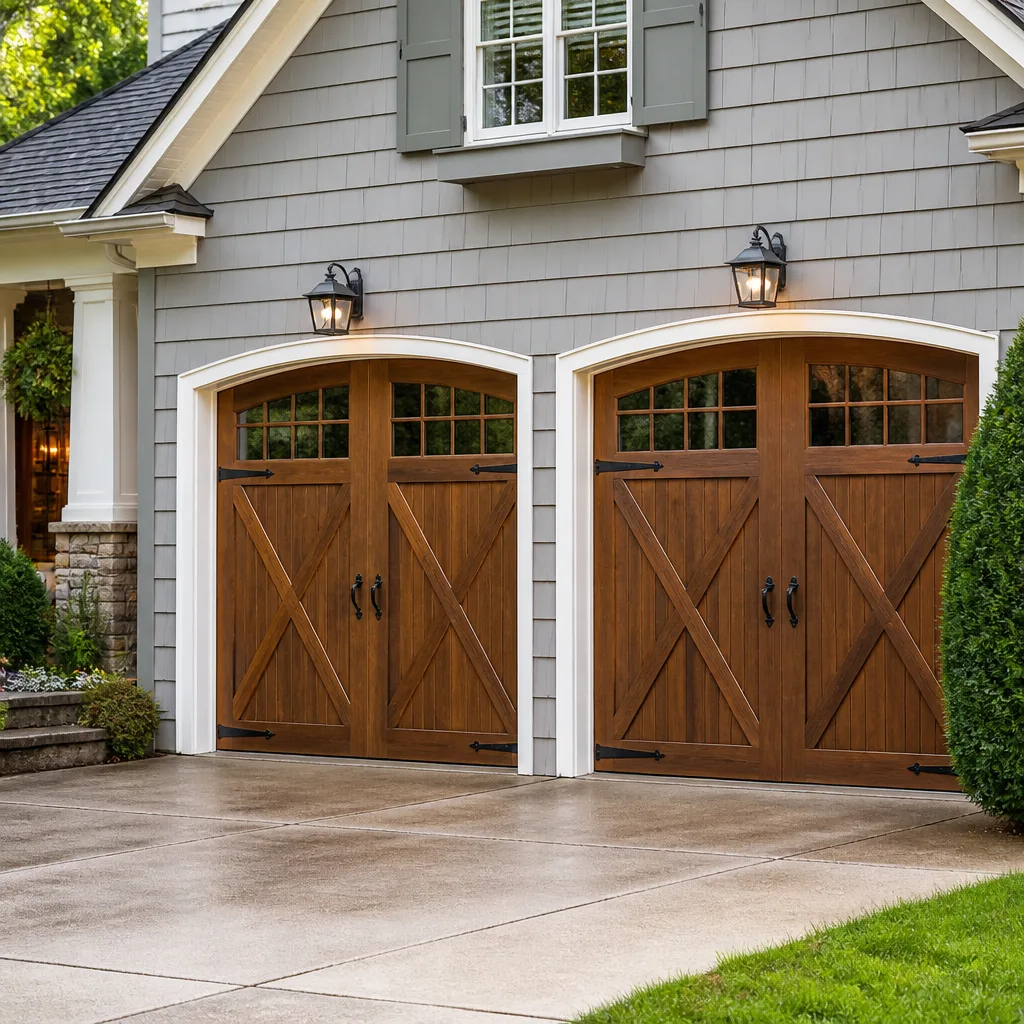 Carriage house
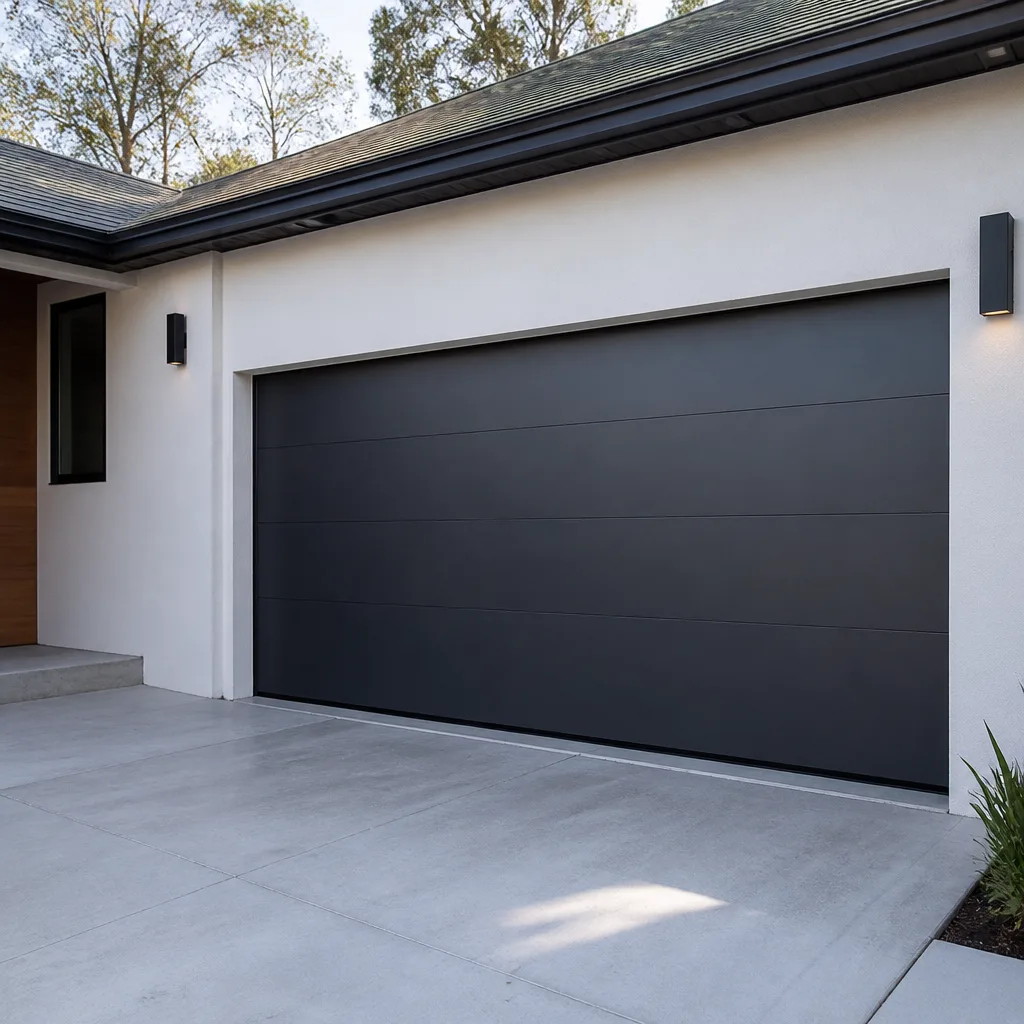 Modern flush
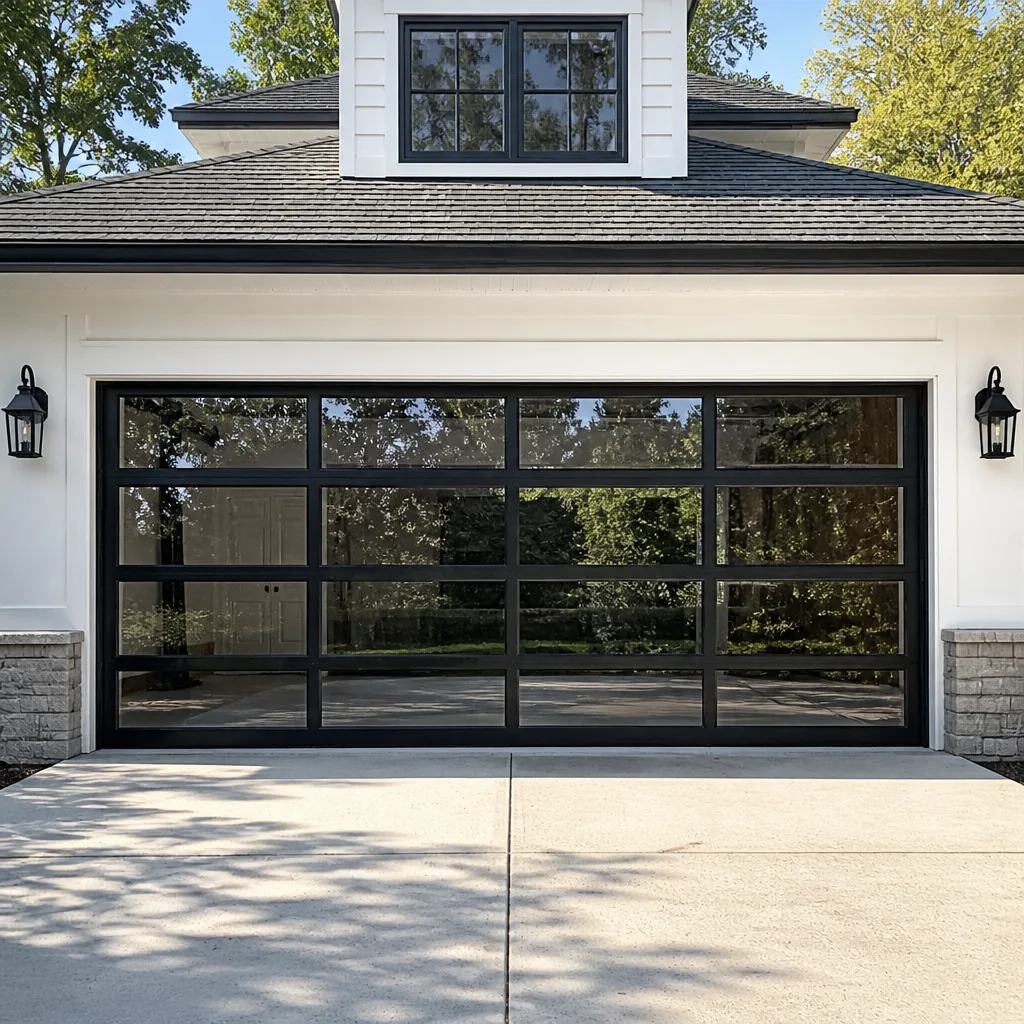 Full-view glass
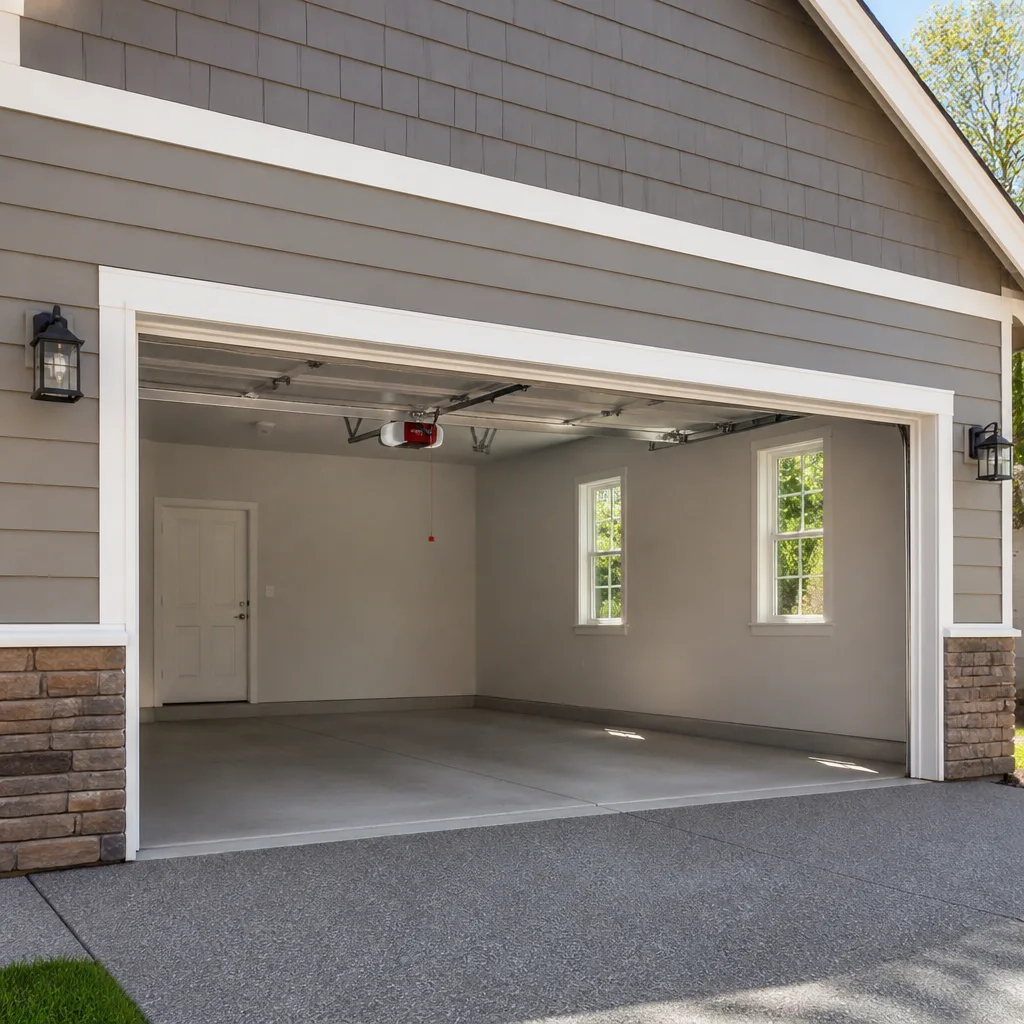 LiftMaster openers
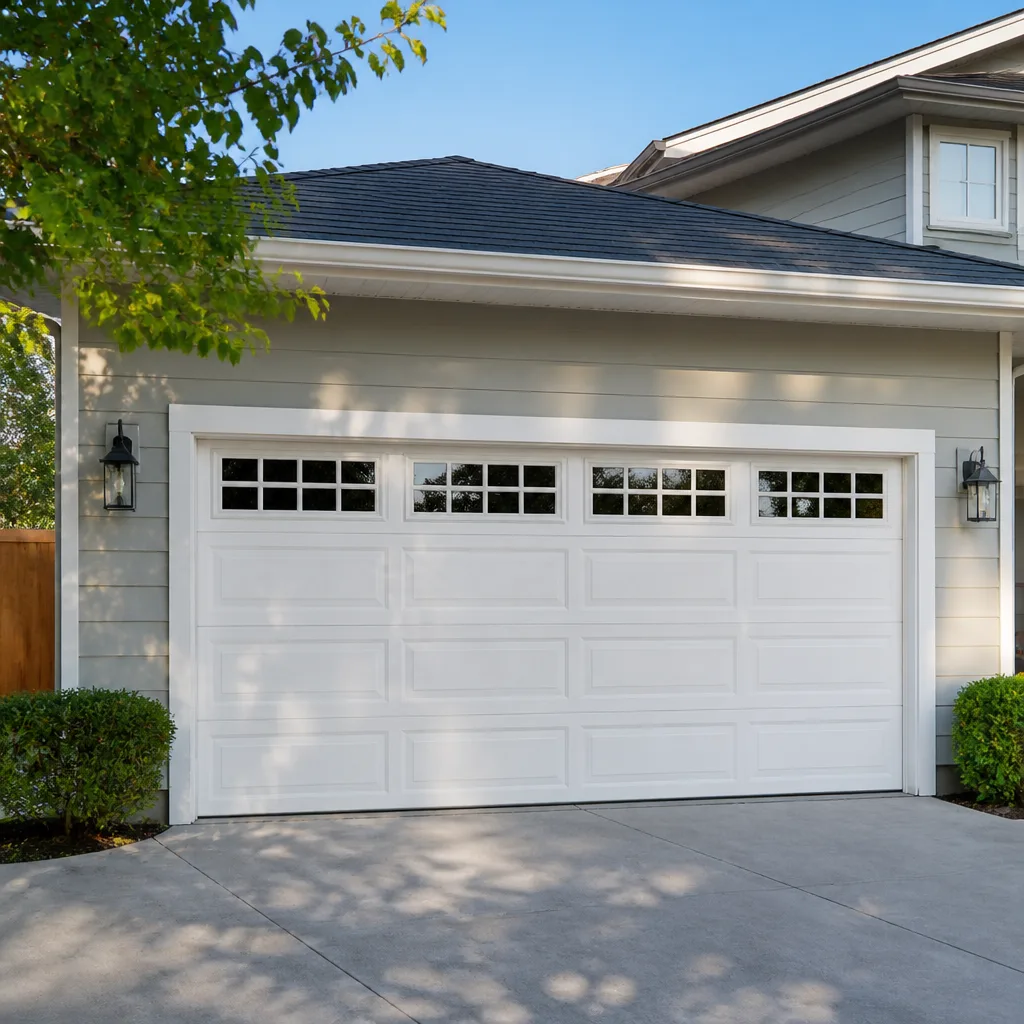 Chamberlain openers
Full 25-point door and opener safety check with every visit - springs, cables, rollers, tracks, and your LiftMaster or Chamberlain opener included
You get a price before we start. It does not change when the pro arrives.
Get your free estimateThe Complete Guide to Garage Doors in Norfolk
Most Norfolk homeowners will replace a garage door once, maybe twice, in the time they own their home. That means the advice you find online was probably written by someone who has never thought about how a door actually behaves through a Hampton Roads summer, and it shows. Generic guides talk about curb appeal and call it a day. They skip the parts that matter here: which materials survive the humidity, what wind ratings your door needs before hurricane season, and how the tight driveways in neighborhoods like Ghent and Larchmont change what you can install. Over the next few thousand words we’ll walk through all of it, from the spring that just snapped to the door you’re finally ready to replace.
Quick Answer
A garage door in Norfolk usually needs repair because of a broken spring, a worn opener, or storm damage, and most of those fixes can be handled with the right parts on the first visit. Replacement makes more sense when the door is past its useful life, badly bent, or you’re chasing a higher wind rating. Either way, a free measure and a written estimate come before any work starts.
Styles & brands we work with
- Raised-panel steel
- Carriage house
- Modern flush
- Full-view glass
- LiftMaster openers
- Chamberlain openers
Table of Contents
- How Norfolk’s Climate Affects Your Garage Door
- Wind Load Ratings and Hurricane Season
- Which Door Materials Hold Up Best in Norfolk
- Single-Car vs. Two-Car Doors in Norfolk and Portsmouth
- Permits and Code in Norfolk
- Repair or Replace: A Decision Tree
- Springs, Openers, and What Goes Wrong First
- Safety: What Not to Touch Yourself
How Norfolk’s Climate Affects Your Garage Door
Norfolk sits where the air gets thick in summer and the temperature swings hard in winter, and your garage door feels every bit of it. Springs are the first casualty. A torsion spring is a coiled steel wire under constant tension, and heat, humidity, and thousands of open-close cycles work on it every day. Springs don’t fail because of one bad moment; they fail because the metal has been fatigued slowly over months. When the air is heavy with moisture, bare steel tracks and hinges can start to rust, and once rust takes hold on a hinge pin, the door stops moving smoothly and the opener works harder.
Panel materials react differently too. Steel doors are the most common choice in Norfolk and they hold up well when they’re painted, but any scratch that goes through the finish is a spot where rust can begin. Aluminum resists rust better but dents easier. Wood looks beautiful in the older parts of town and needs more attention here than it would in a drier climate. This isn’t a reason to panic. It’s a reason to look at your door twice a year and catch small problems before they turn into big ones.
What to check every spring and fall
- Look at the hinges and rollers for rust or grinding. A hinge that squeaks or sticks is telling you the door is dragging.
- Test the balance of the door by lifting it halfway by hand (with the opener disconnected and the door closed first). It should hold there roughly on its own.
- Check the weatherstripping along the bottom. In a humid climate, a torn seal lets water and pests in.
- Look for paint nicks on steel panels, especially near the bottom where splash and standing water do their work.
- Test the safety reverse on the opener with a small object under the door path.
Wind Load Ratings and Hurricane Season
Wind load is the thing most Norfolk homeowners don’t think about until a storm is in the forecast, and by then it’s too late to do anything about the door. A garage door is the largest opening on the front of a house, and when a door fails in high wind, it can compromise the pressure envelope of the whole structure. That’s why so many new installations in Hampton Roads are spec’d with a wind-rated door rather than a standard inland model.
Wind ratings describe the pressure a door can withstand without failing, and a higher rating usually means a heavier-gauge door, reinforced struts, and heavier-gauge hardware. If your home was built to a specific wind requirement when it was constructed, the door should match. When you replace a door, that requirement doesn’t disappear; it usually has to be met again.
- Unknown door rating: check the door’s label, the original build paperwork, or ask the city’s building department. Ratings are often stamped or documented.
- Roof and door mismatch: if your roof meets a wind standard and your door doesn’t, you have a weak point. A door upgrade is often the easiest fix.
- After a storm: a door that’s been hit but still works can have a bent track or cracked panel you can’t see from outside. Get it looked at before the next storm.
Which Door Materials Hold Up Best in Norfolk
There’s no single “best” material, only the best fit for your house and your budget. Steel is the most common choice in Norfolk because it’s affordable, takes paint well, and with proper upkeep it lasts. Insulated steel doors make the most sense for garages attached to living space, because a thin uninsulated panel does nothing to stop the summer heat from pouring into the room next door. Clopay and Amarr both make steel doors in an enormous range of panel styles, so there’s generally a fit that works with the brick ranches and the newer builds alike.
Wood is a beautiful match for the craftsman-style homes in neighborhoods like Ghent and Larchmont. It also requires more maintenance here than in a drier climate because the wood moves with the humidity. If you own a wood door in Norfolk, plan on a fresh coat of finish more often than a steel-door owner would. Aluminum is lighter and won’t rust, which is a genuine advantage in a humid place, but it dents more easily when a bike or ball hits it.
Wayne Dalton and Amarr both offer steel doors with insulated cores that handle the Virginia climate well. If you’re not sure which route to take, the honest answer is that the choice depends on whether the garage is attached, how much you care about insulation, and how much maintenance you’re willing to do. We’re happy to walk through it with you, and a garage door installation estimate is free.
Single-Car vs. Two-Car Doors in Norfolk and Portsmouth
Older Norfolk bungalows often have a single-car garage with a narrow opening, sometimes only wide enough for one vehicle with a few inches to spare on each side. Those openings are tighter than what a modern builder would spec, which affects everything from the door size to how much clearance the track and springs need. If your single-car door was replaced by a previous owner with the wrong width, the side clearances can be off and the door may bind against the jamb at one corner.
Modern two-car setups in newer Portsmouth and Norfolk developments are usually wider and often feature a single double-wide door rather than two singles. That configuration has different balance points and uses either a longer single torsion spring or a pair of springs to handle the extra weight. When one of the pair goes, the other is usually close behind, which is why matched pairs get replaced together rather than one at a time.
What to expect in each setup
- Older single-car bungalow: tight side clearance, often extension springs on the side rather than torsion springs across the top, and a lower opener rail height.
- Modern two-car: wider opening, torsion springs above the door, and usually a belt or chain opener with a smart or Wi-Fi control.
- Two single doors side by side: two separate openers or one that controls both, more moving parts, and often more wind load to manage.
Permits and Code in Norfolk
A straightforward like-for-like replacement often doesn’t need a permit, but any change to the opening size, structure, or wind rating may. The exact rule depends on your address and your home’s construction history, so the practical answer is to call the City of Norfolk’s building department before you order a door. Ask specifically what counts as a replacement versus an alteration in your case.
When you’re adding a larger opening, changing the header, or upgrading to a wind-rated assembly, an inspection usually comes into play. That’s a good thing, because the inspection confirms the install meets the load requirements your house was built to. A garage door is a structural opening, and the paperwork exists so that no one is guessing.
Questions to ask before you pull a permit
- Is my current door documented at a specific wind rating, and does that need to be maintained?
- Does resizing the opening count as an alteration that requires a plan review?
- Does the opener wiring need to be inspected, or does a separate electrical permit cover it?
- What’s the standard turnaround for a residential inspection in the city right now?
You don’t have to sort this out alone. We can point you to the right department and make sure the door we quote meets what your inspector will want to see.
Repair or Replace: A Decision Tree
Homeowners ask us all the time whether their door is worth fixing or whether it’s time for a new one. The honest answer depends on a few things, and none of them is “how the door looks.” Work through the questions below and you’ll have a reasonable idea before you call anyone.
When repair is usually the right call
- The door itself is solid. One broken spring, a single worn roller, or an opener that’s stopped working on a door in good condition is a repair, not a replacement.
- The damage is mechanical, not structural. A snapped spring or a dead opener doesn’t say anything about the panels, tracks, or hinges.
- The door is newer and matches the house. If the rest of the door is intact, there’s no reason a single component should take the whole thing with it.
When replacement starts to make sense
- Panels are bent, cracked, or rusted through. Once a panel is structurally compromised, patching doesn’t restore the wind rating.
- The door is old, and multiple parts are failing at once. When you’re looking at springs, rollers, hinges, and an opener in the same year, replacement is often the wiser spend.
- You’re upgrading the wind rating. If your home needs a higher-rated door than it has, replacement is the answer.
- You’re replacing an uninsulated door over an attached garage. Insulation upgrades are almost impossible to add to a hollow door after the fact.
For a mechanical failure, call garage door repair and we’ll tell you straight whether it’s a fix or a replacement. For anything beyond a component, a free measure and written price cover the replacement path.
Springs, Openers, and What Goes Wrong First
Broken springs are the most common garage door failure by a wide margin, and they’re also the most dangerous. A torsion spring or an extension spring holds enormous stored energy. When it breaks, it releases that energy instantly and loudly. We work on both types, and we replace matched pairs together because a single spring under load in a pair will fail faster than the pair would have.
Openers come next. In Norfolk we work on a lot of older Chamberlain and LiftMaster units that have been quietly running for a long time, and we also work on newer smart openers that just need a fresh logic board or a re-pair to the app. Genie and Craftsman systems are also common in the area and we work on those too. When an opener is failing, the fix is usually either a component repair or a replacement opener, and the door itself tells you which one makes sense.
Signs you’re looking at a failing spring or opener
- A loud bang from the garage, followed by a door that won’t lift more than a few inches
- A door that lifts crooked or binds on one side
- An opener that runs but the door doesn’t move (a stripped gear or broken chain)
- A door that reverses on its own or won’t close all the way
- An opener that hums without moving the chain
If you suspect a spring, stop using the door. Use the manual release only if you’re sure the spring is intact, and call for garage door opener repair if the opener is the issue.
Safety: What Not to Touch Yourself
Springs and opener wiring are the two parts of a garage door that can hurt you, and both deserve a professional. A torsion spring is wound to a specific tension, and if it’s released while you’re under it, the bar and the spring can cause serious injury. There’s no safe DIY shortcut for replacing or winding a spring. The same goes for opener wiring, which runs at household voltage and should be treated like any other electrical circuit.
What you can safely do is what we described earlier: look, listen, and test. If you see a broken spring, hear a bang, or find a door that won’t lift, call for help rather than trying to force it. If the door is stuck closed and a car is trapped, that’s a real emergency, and we treat it that way. Same-day service is a big part of what we do. Call (844) 321-8447, we answer 24/7, fast dispatch from 7am to 7pm Sunday through Friday.
Common Mistakes to Avoid
- Ignoring a slow-moving door. A door that just started dragging is telling you a roller, hinge, or spring is wearing out. Waiting usually turns a small fix into a bigger one.
- Replacing one spring of a pair. Matched pairs are replaced together for a reason. One new spring against one old spring will fail faster than a fresh pair would.
- Picking a door on looks alone in a wind zone. A beautiful door that isn’t rated for your home’s wind requirement is a liability in Norfolk. Check the rating before you fall in love with the panel profile.
- Assuming the existing track will work with a new door. New doors often need new track and hardware. Reusing old track to save money can cause the door to bind, and it can void the door’s warranty.
- Skipping the permit question. A like-for-like replacement often doesn’t need a permit, but a size change usually does. Calling the City of Norfolk’s building department first saves headaches.
- Forgetting the opener on a door replacement. If you’re installing a heavier or insulated door, your existing opener may be undersized for the new weight. Plan for both at once.
- DIY spring replacement. We can’t say this often enough. Springs are not a homeowner project. Leave them to someone with the tools and training.
See the difference
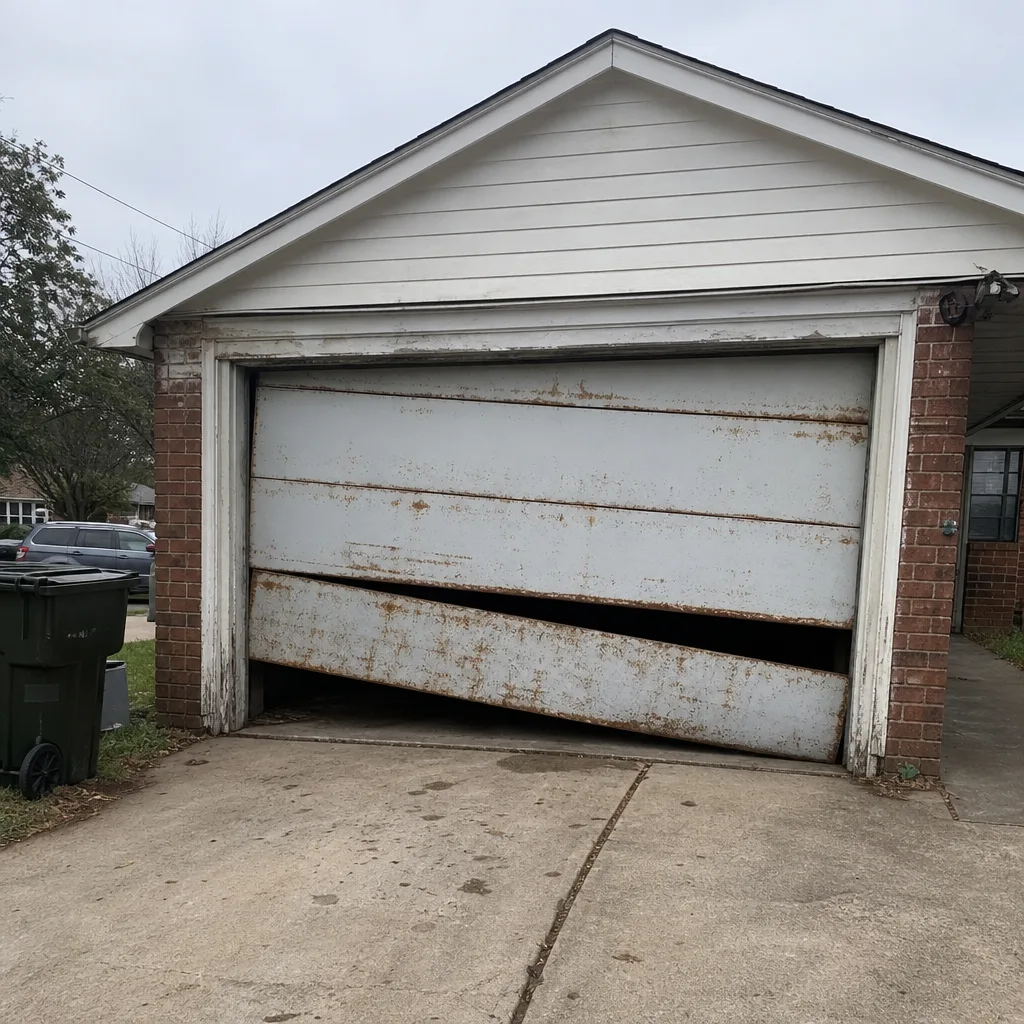 Before
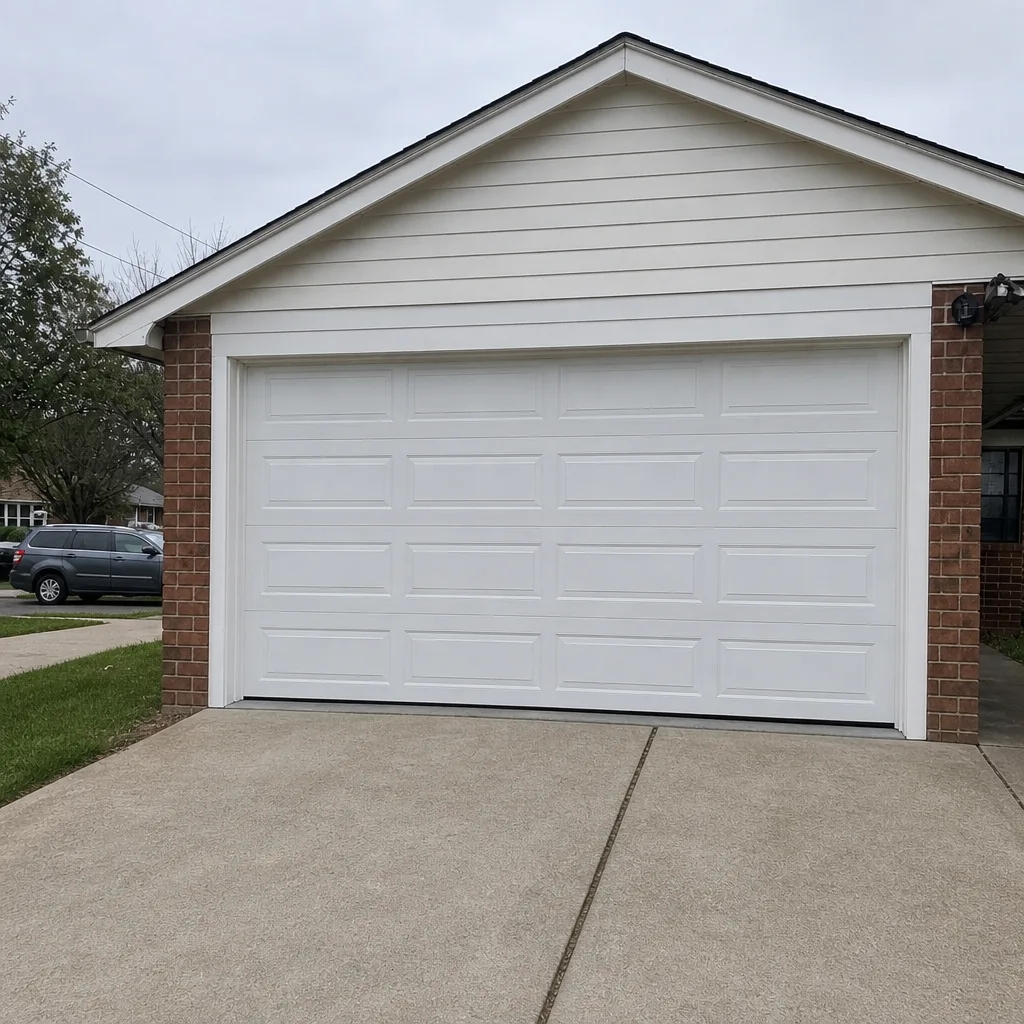 After
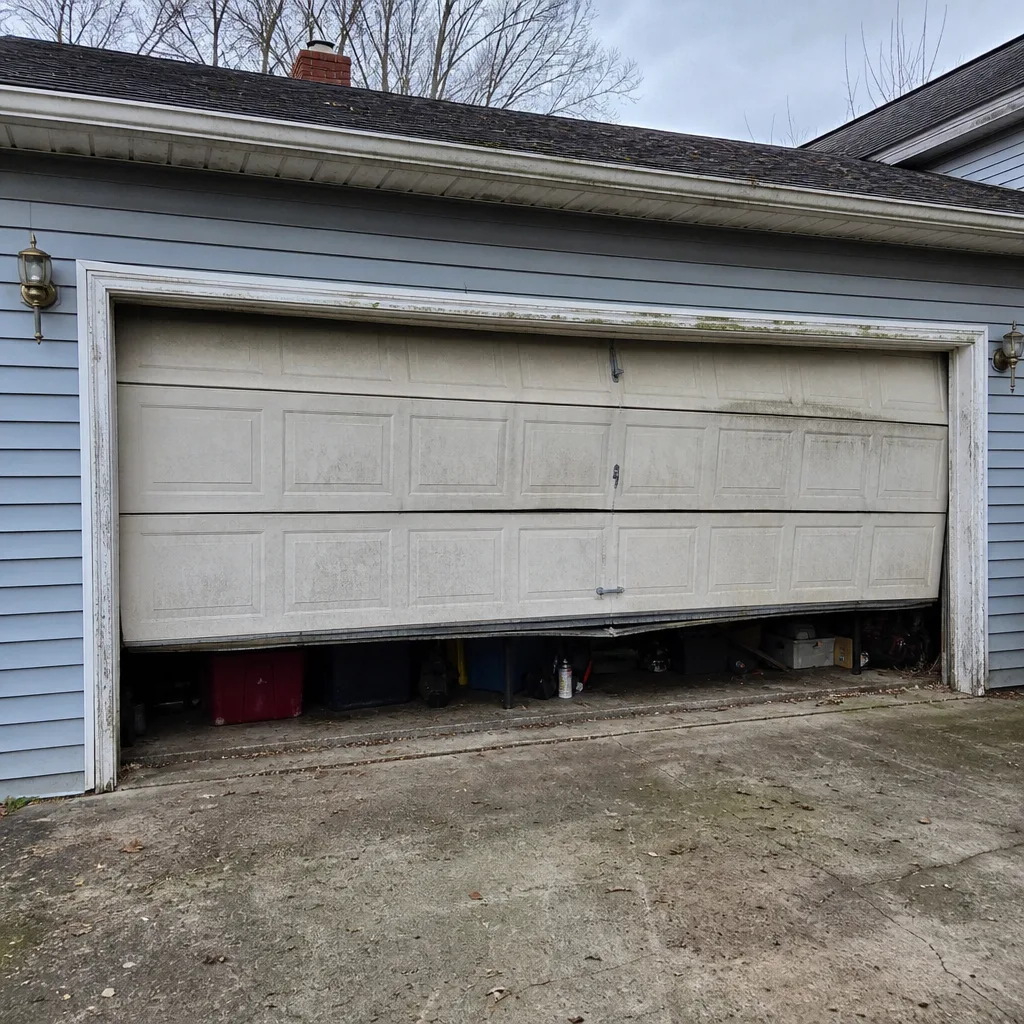 Before
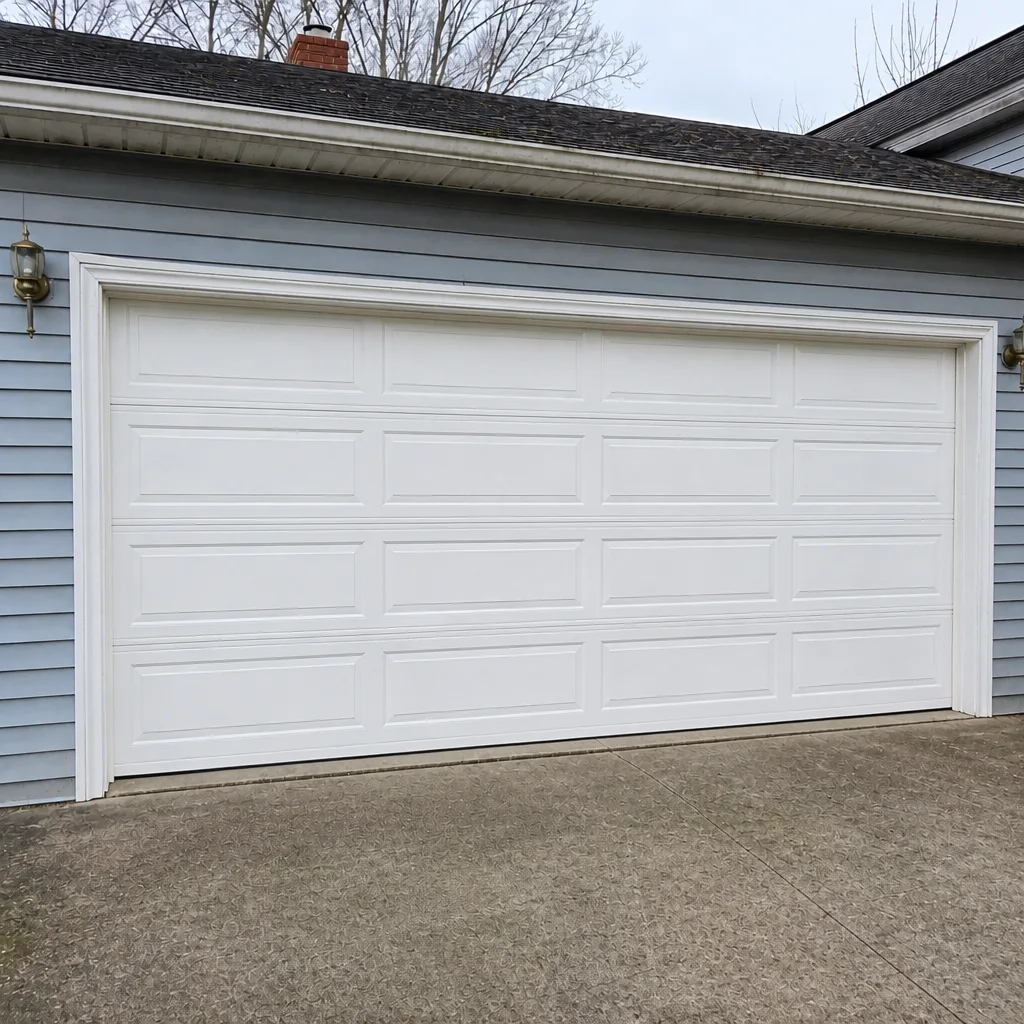 After
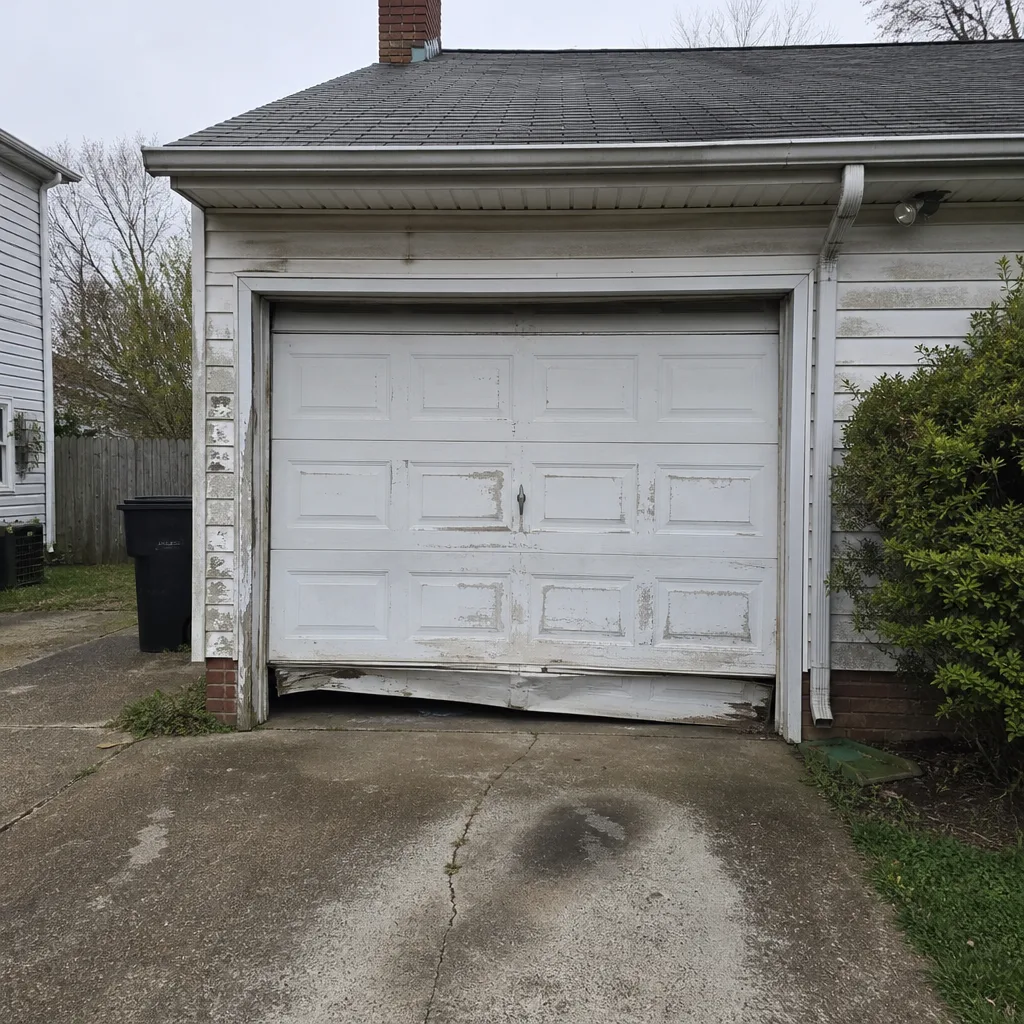 Before
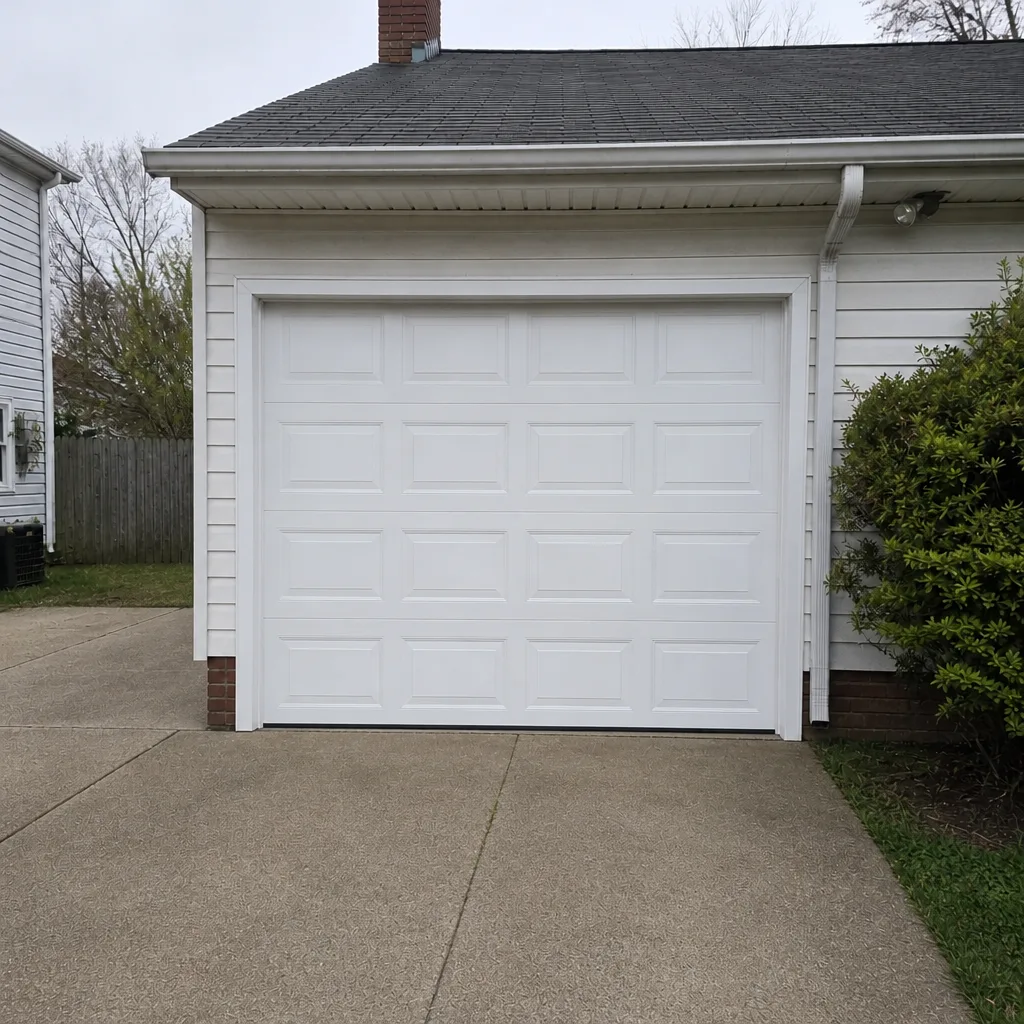 After
When to Call a Professional
Call a professional for anything involving a spring, an opener that’s stopped responding, a door that won’t move, or any collision damage. Call immediately if a car is trapped, a home is unsecured because the door is stuck open, or a business is blocked. Also call if you’re planning a replacement and need to know what wind rating and door will fit your opening. Norfolk Garage Door Repair Pros offers free estimates in Norfolk, and we work on your brand across LiftMaster, Chamberlain, Genie, Clopay, Amarr, Wayne Dalton, Craftsman, and Raynor. Call (844) 321-8447. We answer 24/7. Fast dispatch from 7am to 7pm, Sunday through Friday. If a call comes in outside those dispatch hours, we’ll book you into the next opening.
Frequently Asked Questions
Most residential garage door repairs in Norfolk run from roughly $150 to $450 depending on the part and how much labor is involved, with spring repairs typically on the higher end because they involve matched pairs and safety-critical work. The written estimate sets the final price, and the estimate itself is free. Call (844) 321-8447 for an exact quote.
Usually, yes, for standard repairs like a broken spring, a bad roller, or an opener that’s stopped working. Same-day service is a big part of what we do, and we keep the most common parts on hand for the brands we work on. Call (844) 321-8447 and we’ll get a time on the schedule. We answer 24/7 and dispatch from 7am to 7pm, Sunday through Friday.
A like-for-like replacement often doesn’t need a permit, but any change to the opening size, structure, or wind rating usually does. The best way to know for sure is to call the City of Norfolk’s building department with your address before you order a door. We can help you figure out which questions to ask.
Insulated steel doors are the most reliable choice in Norfolk because they resist rust, take paint well, and hold up under the humidity without constant maintenance. Amarr and Clopay both make steel doors in a wide range of styles that fit the area’s homes. Wood looks great on older houses but needs more upkeep here because of the seasonal swings.
Your door should meet the same wind requirement your home was built to, and that requirement usually has to be met again when you replace the door. If you don’t know what your current rating is, the door label or your build paperwork will often tell you, and the city’s building department can confirm. We can bring doors that meet the requirement you need.
No. The written estimate sets the price, and we don’t add on hidden charges once work has started. If we find something you didn’t know about during the visit, we’ll tell you what it would cost and get your sign-off before doing anything. The number on the estimate is the number you pay for the work agreed. Call (844) 321-8447 for a free estimate.
Yes. Emergency response is a real, named part of what we do, for the situations where the door failing has real consequences: a car trapped, a home left open, a business blocked. Call (844) 321-8447. We answer 24/7, with fast dispatch from 7am to 7pm, Sunday through Friday, and a call outside those hours books you into the next opening.
The Bottom Line
Your garage door decisions in Norfolk are different from a homeowner’s in Ohio or Arizona. The humidity, the wind load requirements, the tight driveways in older neighborhoods, and the wide variations between single-car and two-car configurations all add up to a picture that a generic guide can’t give you. The practical rule is simple: catch small problems early, keep the springs and opener on a professional’s schedule, and match any new door to your home’s wind requirement. If your door needs a look today, or you’re planning a replacement, call Norfolk Garage Door Repair Pros at (844) 321-8447 for a free estimate. Our technicians have up to 10 years of experience, and we’re glad to walk you through what your door actually needs.
Written by the team at Norfolk Garage Door Repair Pros.