
Last updated November 21, 2026
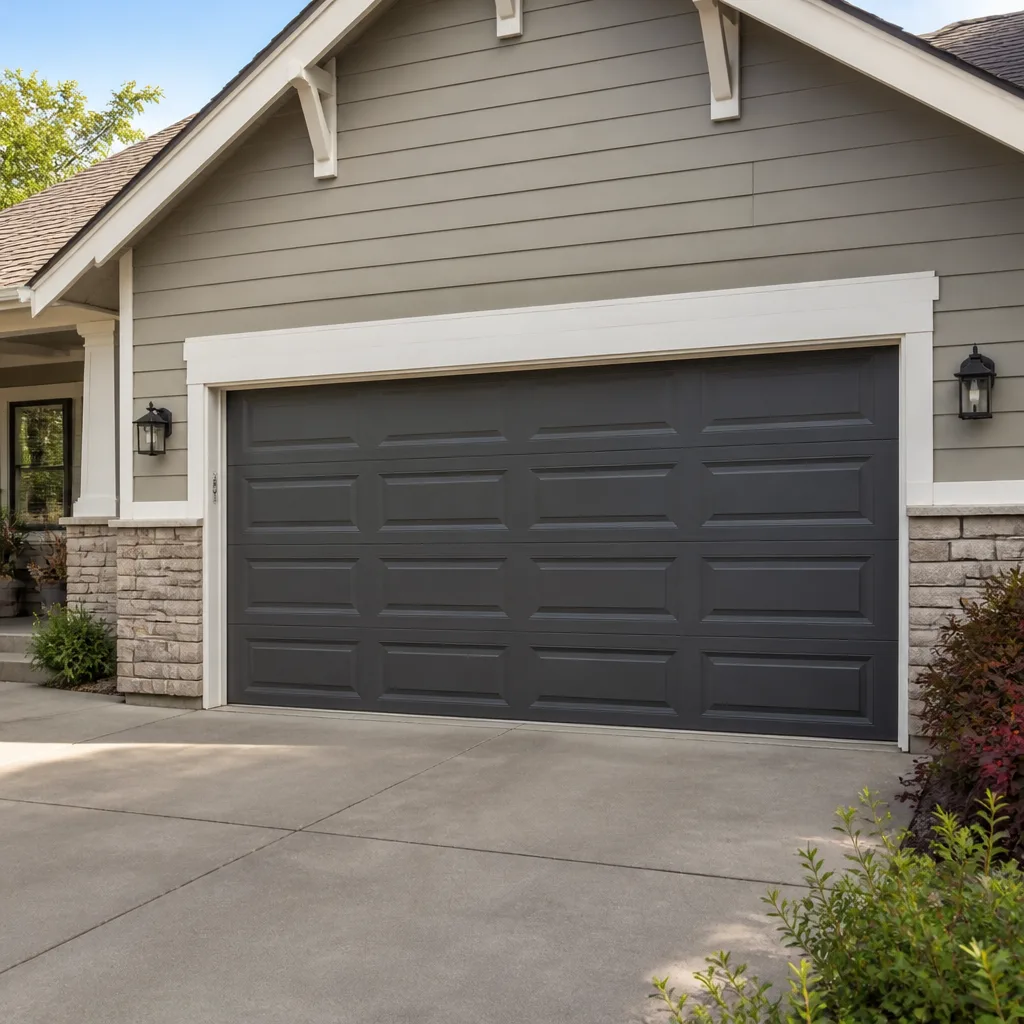 Raised-panel steel
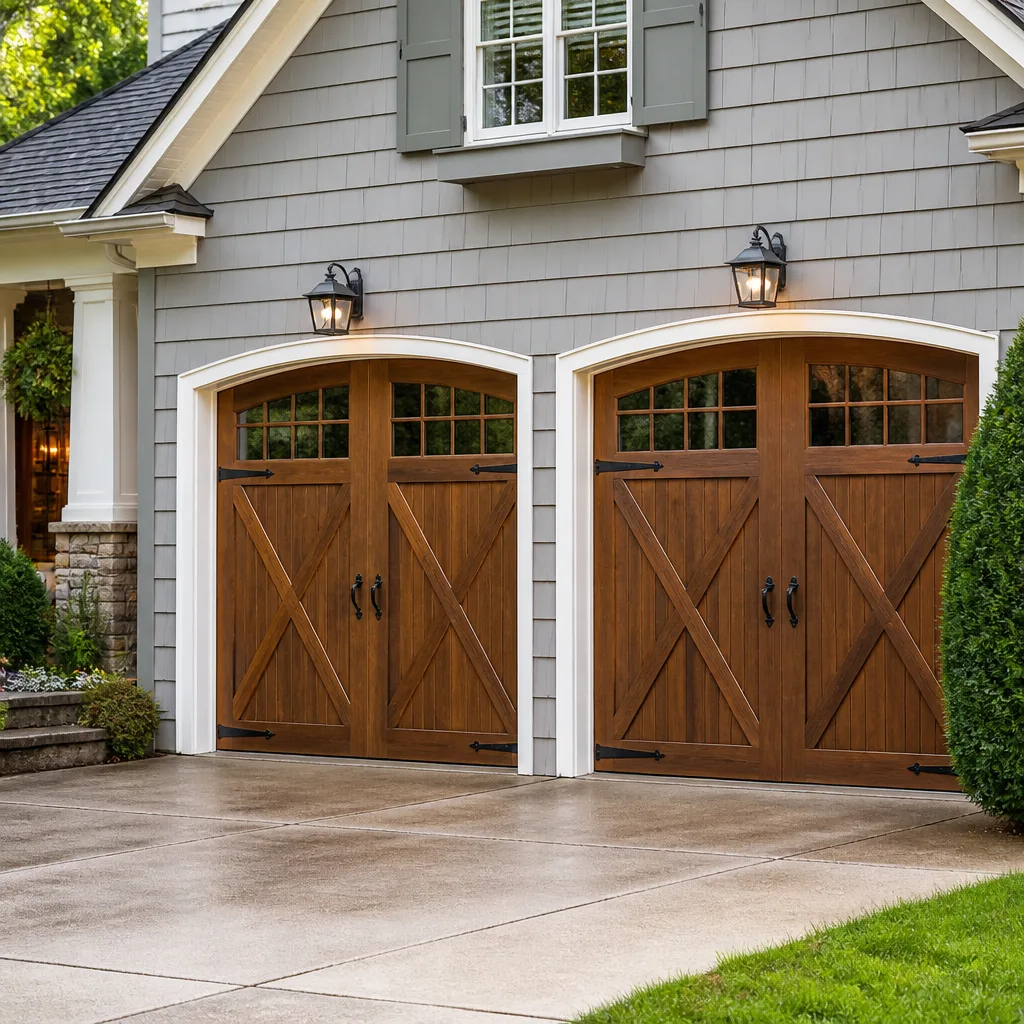 Carriage house
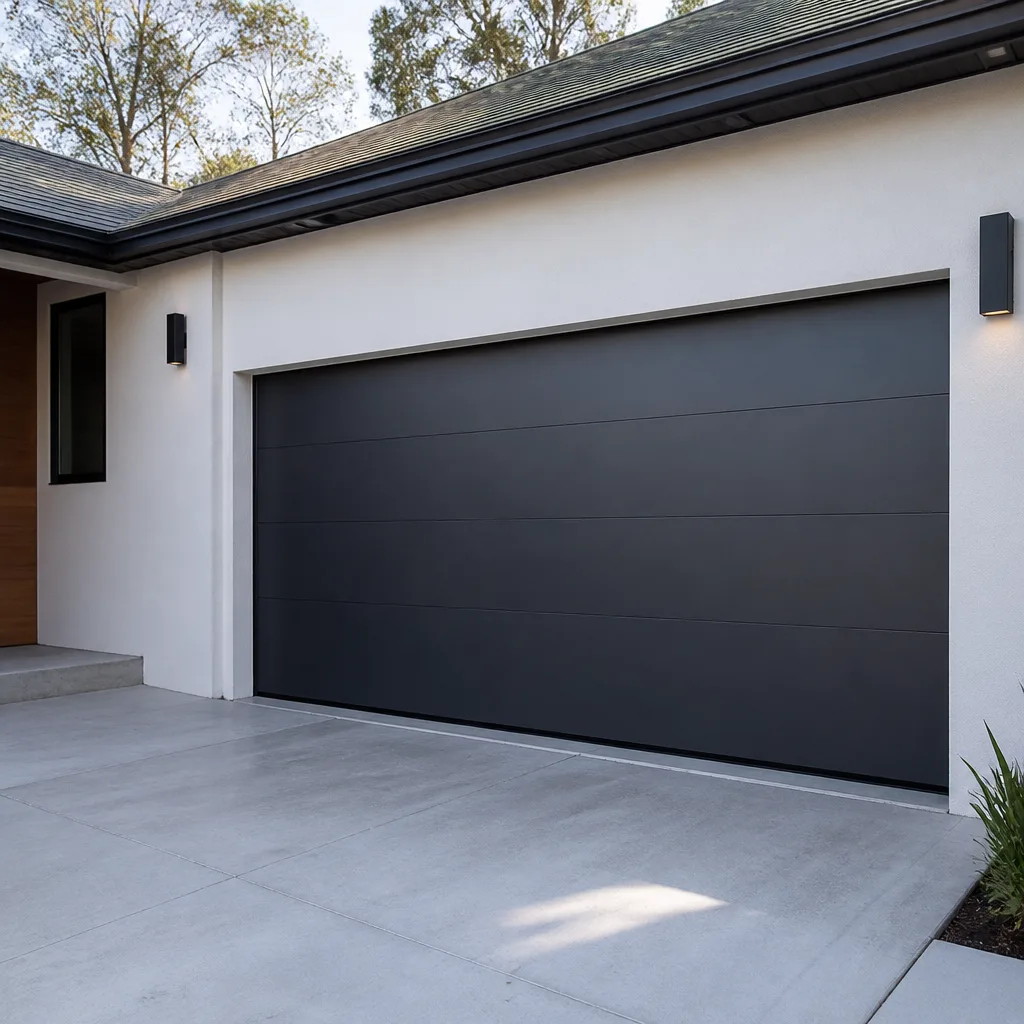 Modern flush
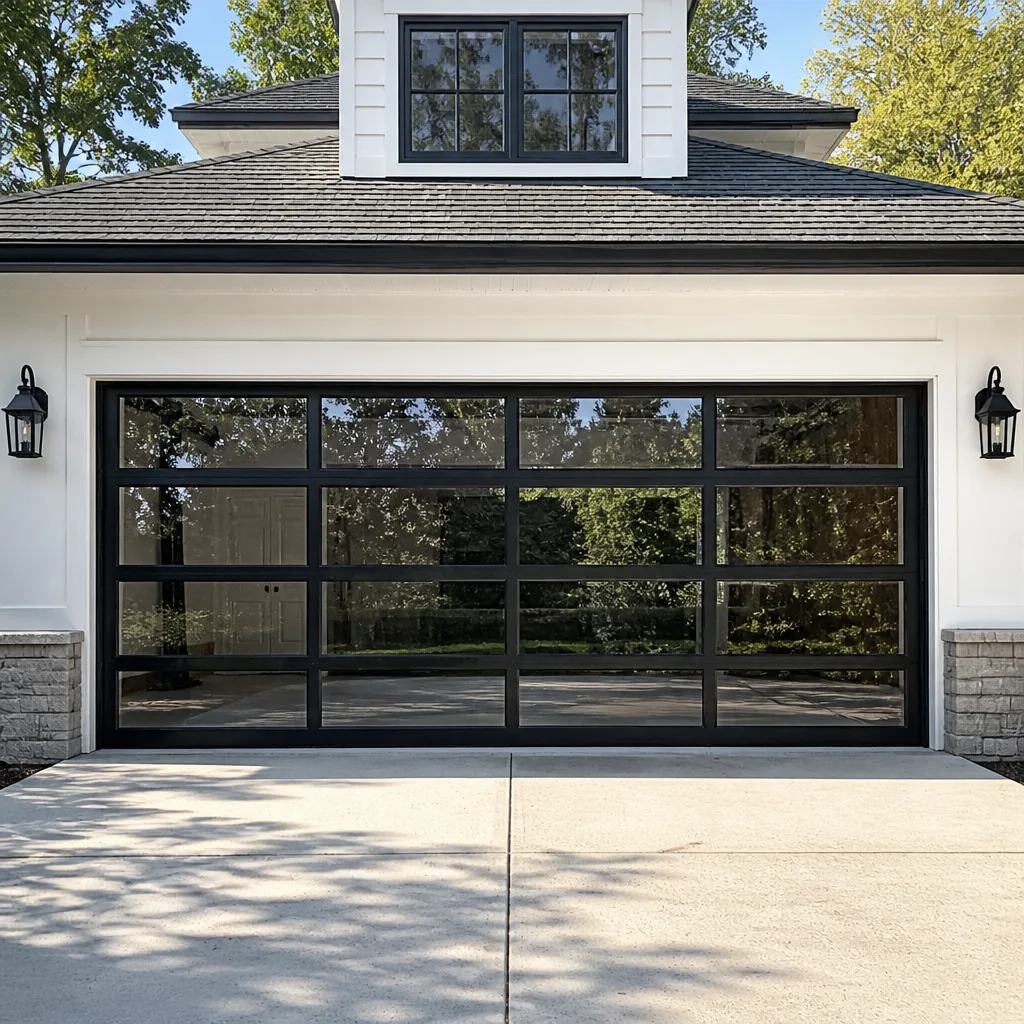 Full-view glass
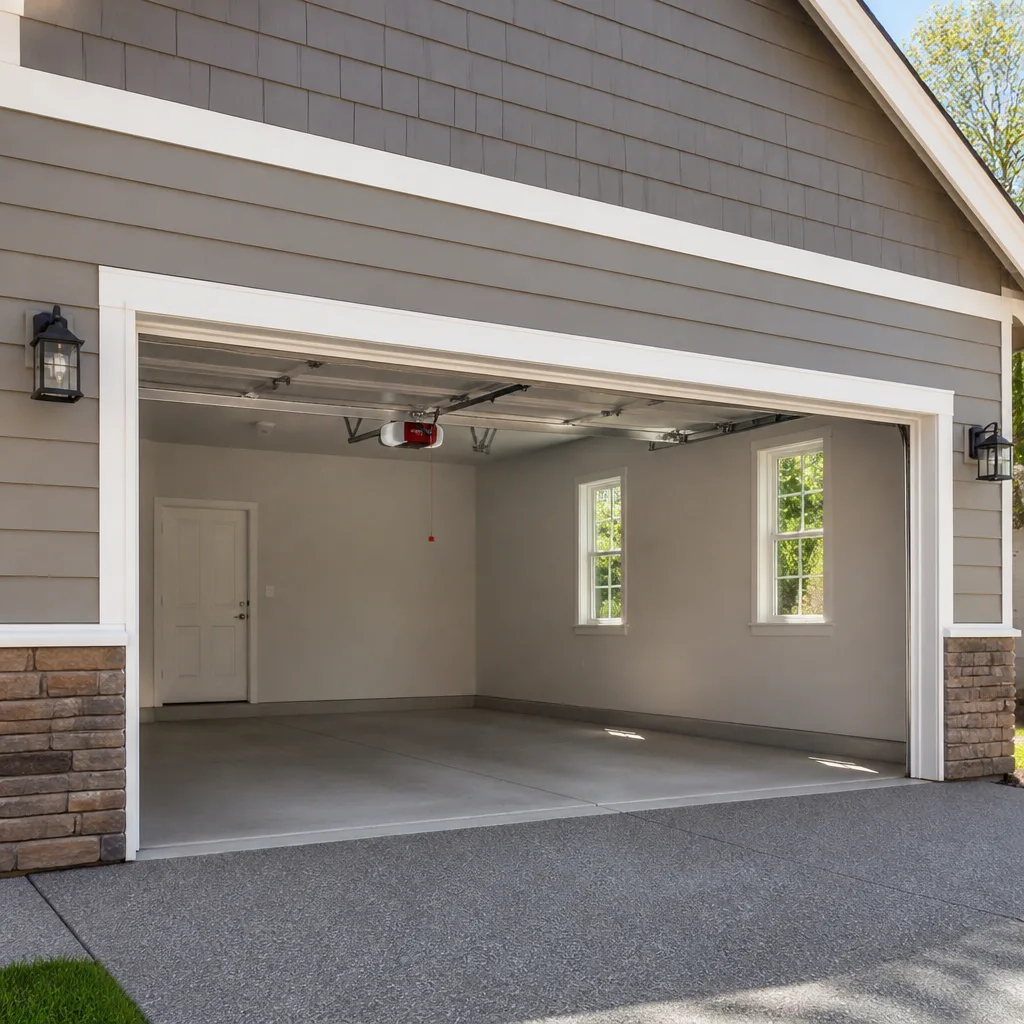 LiftMaster openers
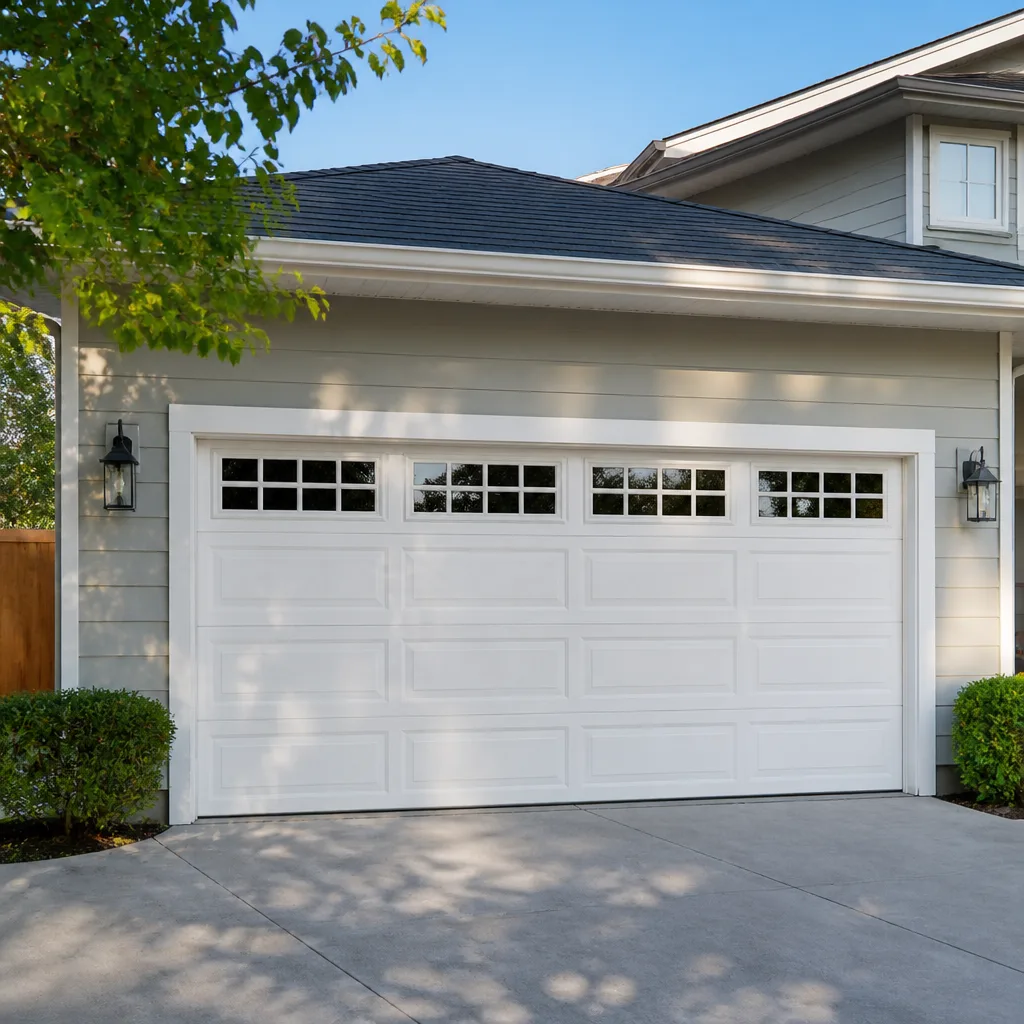 Chamberlain openers
Full 25-point door and opener safety check with every visit - springs, cables, rollers, tracks, and your LiftMaster or Chamberlain opener included
You get a price before we start. It does not change when the pro arrives.
Get your free estimateChoosing the Right Garage Door Brand: A Buyer’s Guide for Norfolk
Here’s the part most brand comparison guides skip: a door that performs beautifully in a dry, inland market can fail early in Norfolk, and the failure won’t be covered. Clopay, Amarr, Wayne Dalton and CHI all build solid doors, but several of them write coastal warranty exclusions into the fine print that reduce or void coverage on installs near Hampton Roads waterways. That single clause can matter more to your next ten years than which brand has the nicer brochure. This guide walks through what actually separates brands in Norfolk: galvanized hardware standards, how to read a warranty for exclusions, what each construction material does in our humidity and heat, and which brands we service when something breaks.
Quick Answer
For most Norfolk homes, the right garage door brand is the one whose warranty survives a marine environment and whose hardware is galvanized or otherwise rated for humid, salt-influenced air, installed by a dealer who services that brand locally. Clopay, Amarr, Chamberlain and Genie are all strong choices when the specific model and its warranty terms are checked against Norfolk conditions. The brand name on the label matters less than the corrosion spec, the insulation value for an attached garage, and local parts availability.
Styles & brands we work with
- Raised-panel steel
- Carriage house
- Modern flush
- Full-view glass
- LiftMaster openers
- Chamberlain openers
Table of Contents
- Why Brand Choice Works Differently in Norfolk
- Coastal Suitability: How the Major Brands Compare
- How to Read a Warranty for Coastal Exclusions
- Steel vs. Aluminum vs. Composite in Hampton Roads
- R-Value Reality for a Norfolk Attached Garage
- Which Brands We Service, and Why That Matters
- A Step-by-Step Buying Checklist
- Common Mistakes to Avoid
Why Brand Choice Works Differently in Norfolk
Norfolk sits on a working waterfront, and the air moving across Hampton Roads carries more than humidity. Homes within a few miles of the Elizabeth River, the Lafayette River, and the Chesapeake Bay sit in what manufacturers call a marine environment, and the warranty language treating that environment is where buying decisions get made or broken.
What that means in practice is that the parts of a door most likely to fail first are fasteners, hinges, rollers, and the bottom section. A door built with standard galvanized steel hardware holds up far longer than one with painted or plated components, and that difference is a spec sheet item, not a sales floor talking point. Norfolk’s summers add heat and moisture cycling that stresses the finish and the joints, and a door’s finish warranty is often shorter than its structural warranty.
Norfolk also has a housing stock that spans a lot of ground. From the older homes around Ghent and Freemason with tight clearance and custom opening sizes, to 1950s and 1960s ranch homes across Larchmont and Wards Corner, to newer construction in East Beach and around Ocean View, the door that fits one neighborhood rarely suits the next. A brand that offers a range of sizes and panel styles, plus custom ordering, will solve more Norfolk problems than a brand with three stock models.
The takeaway: pick a brand whose coastal warranty and hardware spec hold up in Norfolk first, then choose the model. That ordering saves money and frustration.
Coastal Suitability: How the Major Brands Compare
Every brand we work on makes both good and marginal doors. The comparison below focuses on what matters for a Norfolk install: hardware finish, warranty posture in marine environments, availability through Hampton Roads dealers, and the parts pipeline when something needs replacement.
| Brand | Construction strengths | Coastal warranty posture | Parts availability in Norfolk |
|---|---|---|---|
| Clopay | Deep residential lineup, steel and composite options, broad panel styles | Varies by product line; finish warranties can carry coastal exclusions. Always check the specific model’s warranty document. | Widely serviced, with good replacement parts coverage |
| Amarr | Strong steel construction, good insulation options, popular in Virginia | Model-specific; ask for the written warranty before ordering | Solid parts and section availability through regional dealers |
| Wayne Dalton | Broad model range including insulated and carriage-style doors | Finish warranties frequently shorter than structural; check exclusions | Common in Norfolk, replacement parts generally available |
| Chamberlain | Openers rather than doors; strong smart-home integration | Openers are installed inside the garage, so coastal exposure is limited | Excellent; one of the most widely serviced opener lines |
| Genie | Openers with a long history in residential use; quiet belt-drive options | Same as above; indoor install reduces environmental risk | Widely supported |
A few practical notes. First, the garage door opener and the door are separate purchases, and brand loyalty between them buys you very little. A Chamberlain opener on a Clopay door is a perfectly sensible combination, and we work on that pairing often in Norfolk. Second, “coastal” is not a universal label. Some manufacturers publish coastal or marine-grade hardware packages; most simply limit the standard warranty. Ask for the warranty PDF, not the brochure.
Third, dealer network matters. A brand with no local parts support means a three-week wait for a bottom section after storm damage or a backing-out mishap. In Norfolk, that wait can mean a car parked on the street for weeks. Buying from a brand that’s actively serviced in the region avoids that problem entirely.
How to Read a Warranty for Coastal Exclusions
Warranty reading is the one step buyers skip most often, and it’s the step that decides who pays when a finish fails or a hinge rusts through. The language is not hidden; it’s just buried in a document nobody opens until something goes wrong.
Here’s how to work through it:
- Find the environmental exclusions section. Look for phrases like “marine environment,” “coastal area,” “salt air,” or “proximity to bodies of water.” Some warranties define a coastal zone by distance from the water; others use broader language with no set boundary. Either way, if the word appears, your coverage may be reduced.
- Check the finish warranty separately from the structural warranty. A door can carry a long structural warranty and a much shorter finish warranty, and finish is what fails first in humid air. Note both numbers.
- Look at what the warranty excludes rather than what it covers. Common exclusions include rust and corrosion on hardware, cosmetic finish wear, and damage from wind-driven rain. If the exclusion list is longer than the coverage list, ask what you’re actually buying.
- Ask whether a coastal package exists for the model. Some manufacturers offer upgraded hardware for marine environments at additional cost. It’s often worth the difference and often not mentioned unless you ask.
- Get the warranty for the exact model number, not the brand family. Warranties differ line to line. The document that applies to your order should match the model on the quote.
- Keep the written warranty with the install paperwork. If you ever sell the home, that document transfers with the door and answers buyer questions that otherwise become negotiation points.
In our experience, homeowners in Norfolk who ask for the warranty document before signing avoid most post-install disputes. It’s a five-minute step that changes the whole transaction.
Steel vs. Aluminum vs. Composite in Hampton Roads
Material choice decides how your door ages in Norfolk’s heat and humidity, and each material has a place where it wins and a place where it disappoints.
Steel
Steel is the most common garage door material and the best value in most Norfolk installations. It’s strong, it takes insulation well, and replacement sections are easy to source. The catch is the finish and the hardware. Painted steel that chips or scratches will rust from the inside out in humid air, so touch-up paint becomes an ongoing task. Look for hot-dipped galvanized steel with a factory-applied finish rather than a painted-over standard steel sheet, and confirm the hinges and rollers are galvanized too. Those small parts fail before the door does.
Aluminum
Aluminum shines in one specific Norfolk situation: very large doors where weight matters. Aluminum is rust-free by nature, which removes the finish worry entirely, and it handles wide openings where steel gets heavy. The trade-offs are strength and insulation. Aluminum dents more easily, carries little insulation value on its own, and a wind-loaded door in a coastal Norfolk storm is more likely to flex. If you’re replacing a door on a two-car opening in a neighborhood like Ocean View, aluminum with a good backing panel can work well. On a smaller single door, steel usually wins on value.
Composite and Faux Wood
Composite doors replicate the look of wood with better moisture tolerance, and for the historic neighborhoods around Ghent and Freemason, that’s a real advantage. Historic district aesthetics often call for the appearance of wood, and composite delivers it without the annual repainting wood demands. The trade-offs are cost and weight, since composite doors are typically heavier than comparable steel and require well-matched torsion springs. They also cost more up front. For the right home, the appearance and moisture resistance justify it; for most Norfolk installs, steel remains the practical answer.
Whichever material you choose, the most important spec is the hardware finish. Galvanized or stainless fasteners and hinges add years to any door in Norfolk.
R-Value Reality for a Norfolk Attached Garage
Insulation value is the most oversold spec in the garage door world, and Norfolk’s climate makes that especially worth understanding. A garage door’s R-value tells you how well the door resists heat flow under lab conditions. What matters in a real Norfolk home is whether the garage is attached and sharing a wall with conditioned space.
If your garage shares a wall or ceiling with a heated or cooled room, insulation is worthwhile. Norfolk’s summer heat pushes into an uninsulated garage and works through that shared wall all day; an insulated door reduces the load on the HVAC system in the rooms next to it. Winter is mild here, so heating savings are modest, but summer cooling performance matters more than most homeowners expect.
If your garage is detached, or if the space above it isn’t conditioned, insulation buys you less than the salesperson implies. It still improves comfort inside the garage and reduces noise, but the energy-savings math is weaker.
A few realistic notes:
- R-value claims vary in how they’re measured, so comparing numbers across brands is not always apples to apples. Ask the dealer how the number was tested.
- Insulated doors are heavier and require torsion springs matched to the added weight. If your opener or springs are undersized for the door, an insulated upgrade can strain both.
- Norfolk sits in a climate zone where the practical return on insulated doors is real but modest. The argument for insulation is comfort and shared-wall performance, not dramatic energy savings.
- For a Norkfolk business owner using a garage bay daily, or a homeowner with a workshop above the garage, insulation pays off in comfort more than in utility bills.
In our experience, a mid-range insulated steel door is the sweet spot for most attached garages in Norfolk. It balances cost, weight and performance, and it holds up over the long haul.
Which Brands We Service, and Why That Matters
Brand coverage matters because the moment you need a part is almost never convenient. A broken spring or a failed opener at 9pm on a Sunday with a car blocked inside turns “which brands do you work on” from a comparison question into an urgent one.
We work on your brand across eight major garage door and opener lines: LiftMaster, Chamberlain, Genie, Clopay, Amarr, Wayne Dalton, Craftsman, and Raynor. That means when you call about a Clopay door with a snapped spring or a Genie opener that won’t reverse, we know the system before we arrive, and we source the right part the first time. Our technicians have up to 10 years of experience, and familiarity with a specific manufacturer’s design saves diagnostic time that would otherwise come out of your day.
Here’s why this scope matters in Norfolk specifically:
- Parts pipeline. A brand we work on regularly is a brand with a known parts path. No waiting weeks for a bottom section while your car sits outside.
- Spring expertise. Torsion and extension springs require specific tools and training, and the spring spec has to match the door weight. Generic replacement without matching is a real hazard. If you want to understand what spring work involves, our page on garage door repair covers the basics, and our team handles the dangerous work.
- Opener knowledge across generations. Older Craftsman and Genie openers coexist with modern smart-home Chamberlain and LiftMaster systems in the same Norfolk neighborhoods. We work on both ends of that range.
- Full lifecycle under one call. Repair, opener repair, spring repair, installation and emergency response are all handled by the same team. One call covers it, with no handoffs.
Brand coverage is not a footnote. It’s the difference between a quick fix and a three-week wait.
A Step-by-Step Buying Checklist
Buying a garage door is a sequence, and following it keeps you from overpaying or underspecing. Whether you’re replacing a door at end of life or upgrading an older Norfolk home, this is how we’d walk a neighbor through it.
- Measure the opening and note the clearance. Headroom above the door, side clearance, and ceiling clearance all decide what fits. Tight clearances are common in older Norfolk homes, so measure before you shop.
- Decide attached or detached garage. Attached garages justify insulation and a better door; detached garages can often use a standard model without regret.
- Pick your material based on how the home uses the door. Steel for most Norfolk installs, aluminum for heavy or wide openings, composite for historic aesthetics around Ghent and Freemason.
- Get the warranty document for the exact model. Read the environmental exclusions section first, then the finish warranty length. Ask about coastal hardware packages.
- Confirm the hardware spec. Galvanized hinges, rollers and fasteners are the single biggest longevity factor on a coastal Norfolk install.
- Check the opener separately. If your existing opener is working, you don’t need a new one. If it’s older, our garage door installation service can walk through the opener replacement options when the door goes in, and you can read about garage door opener repair separately if you’re troubleshooting a failing unit.
- Get a written estimate that spells out the model number, the warranty and the hardware. Verbal quotes that list “an insulated steel door” leave room for substitutions. Insist on the exact model.
- Schedule the measure and install. Every install is measured and ordered, so plan on a scheduling window rather than same-day work.
One caution: getting the model number and the warranty in writing protects you from a substitution that looks identical but carries a shorter warranty. Most Norfolk installs go smoothly, and the written estimate is what keeps it that way.
Common Mistakes to Avoid
- Choosing on looks alone. Panel style is the fun part and the least important part. A beautiful door with standard steel hardware will rust in Norfolk faster than a plain door with galvanized parts.
- Skipping the warranty document. Homeowners who read only the brochure miss the coastal exclusions that decide who pays for a failing finish. Ask for the PDF for the exact model number before signing.
- Comparing R-values across brands as if they’re the same measurement. Different brands test differently. Ask how the number was measured, and remember that Norfolk’s climate makes comfort the main payoff, not dramatic energy savings.
- Buying an insulated door without checking your springs and opener. An insulated door is heavier, and an opener or spring set sized for a lighter door will strain. Match the torsion springs to the door weight, always.
- Buying a brand with no local service support. A great door with no local parts path becomes a long wait for a bottom section after storm damage. Check the local pipeline before you commit.
- Attempting spring work yourself. Torsion springs store enormous energy and can cause serious injury if handled without the right tools and training. This is one job for a trained professional, every time.
- Choosing a door too lightly framed for a historic Norfolk home. Older homes around Ghent and Freemason sometimes need custom sizing and reinforcement. Measure and confirm structural support before ordering.
See the difference
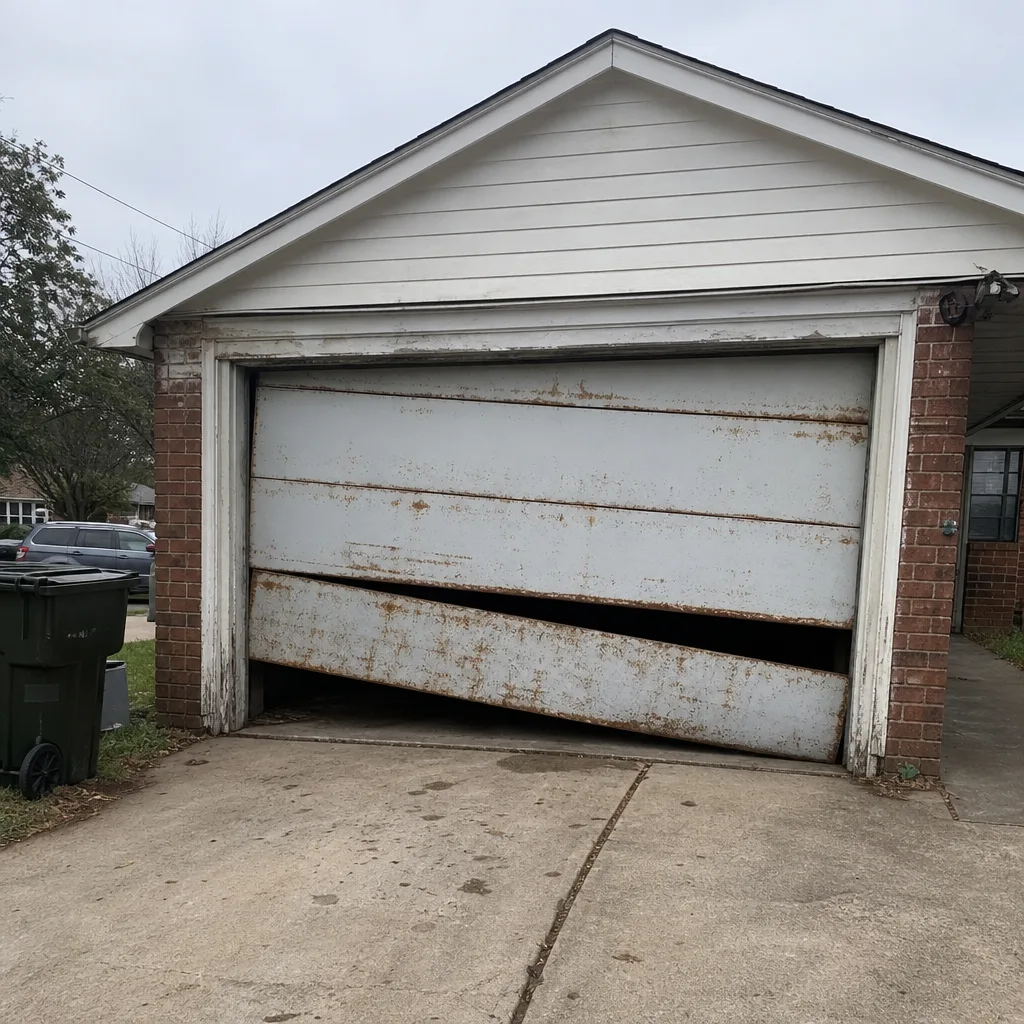 Before
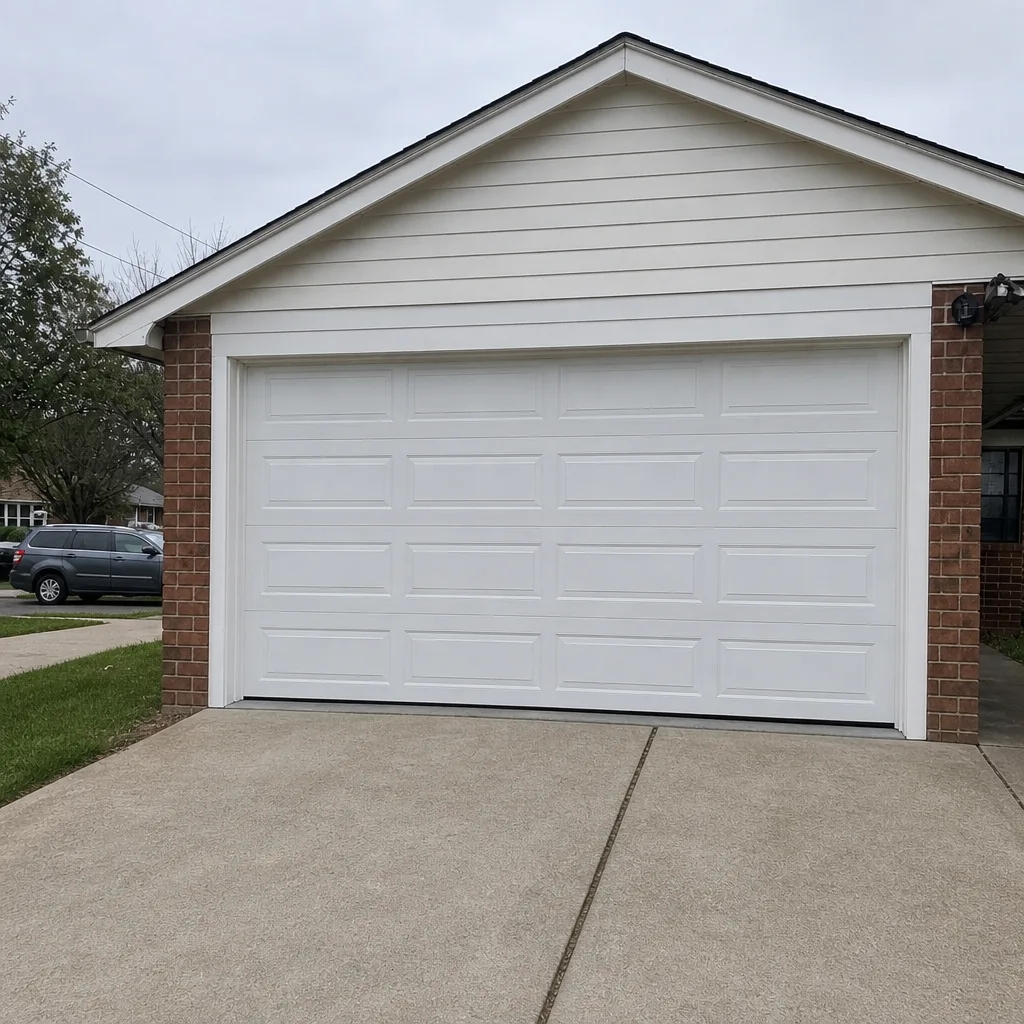 After
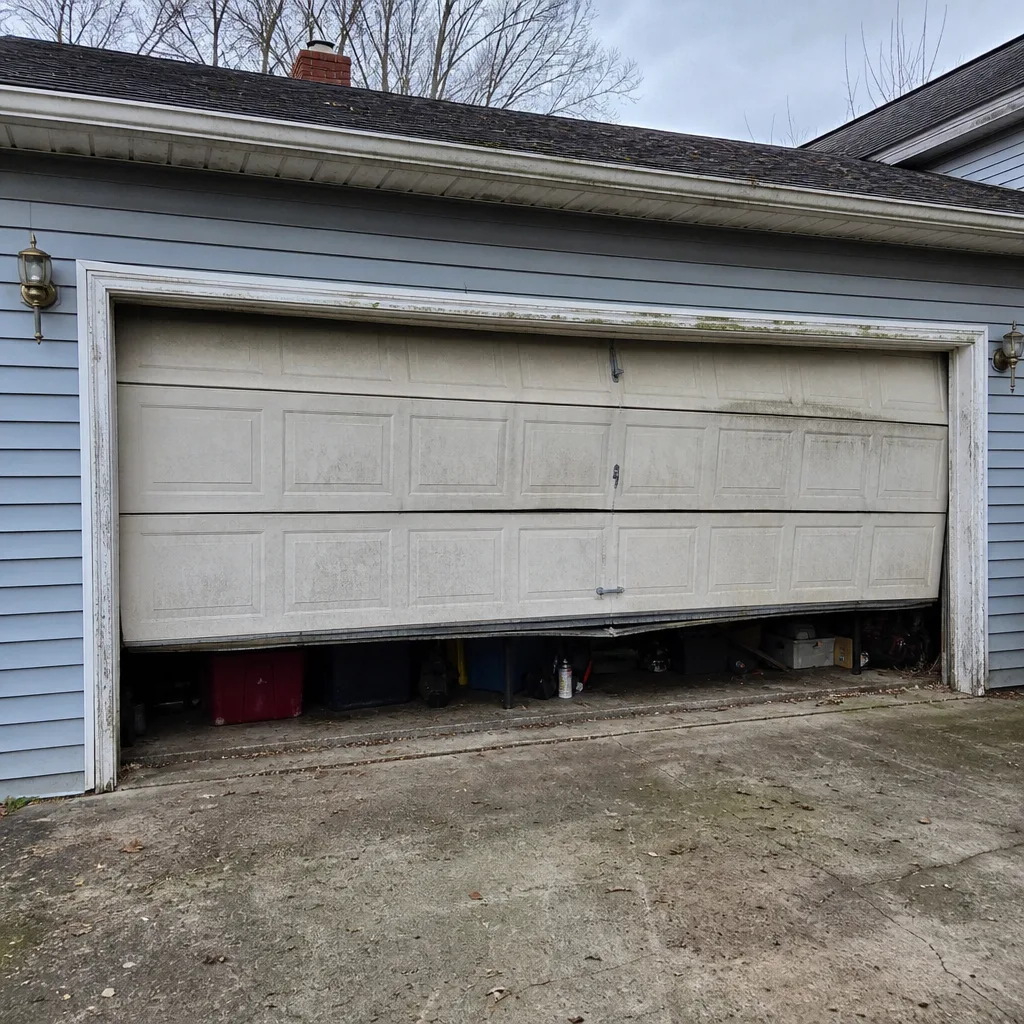 Before
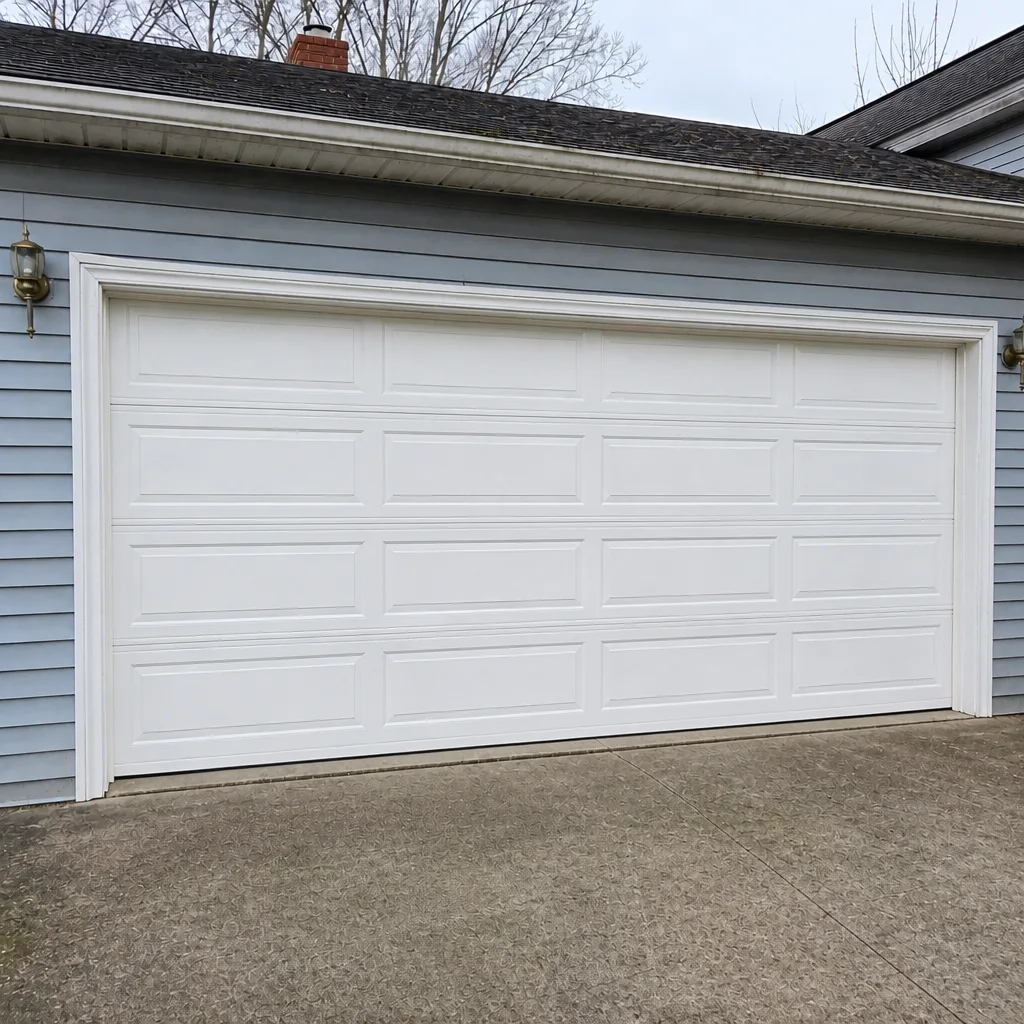 After
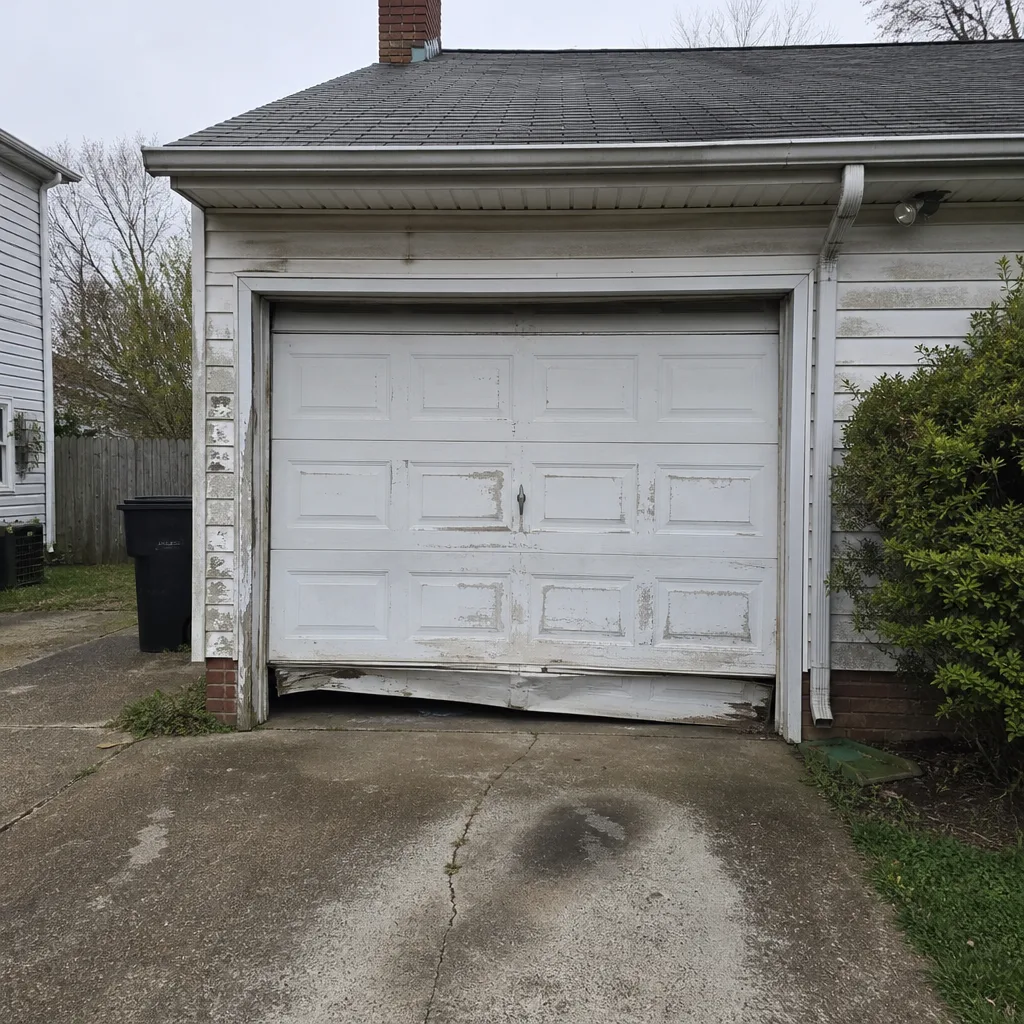 Before
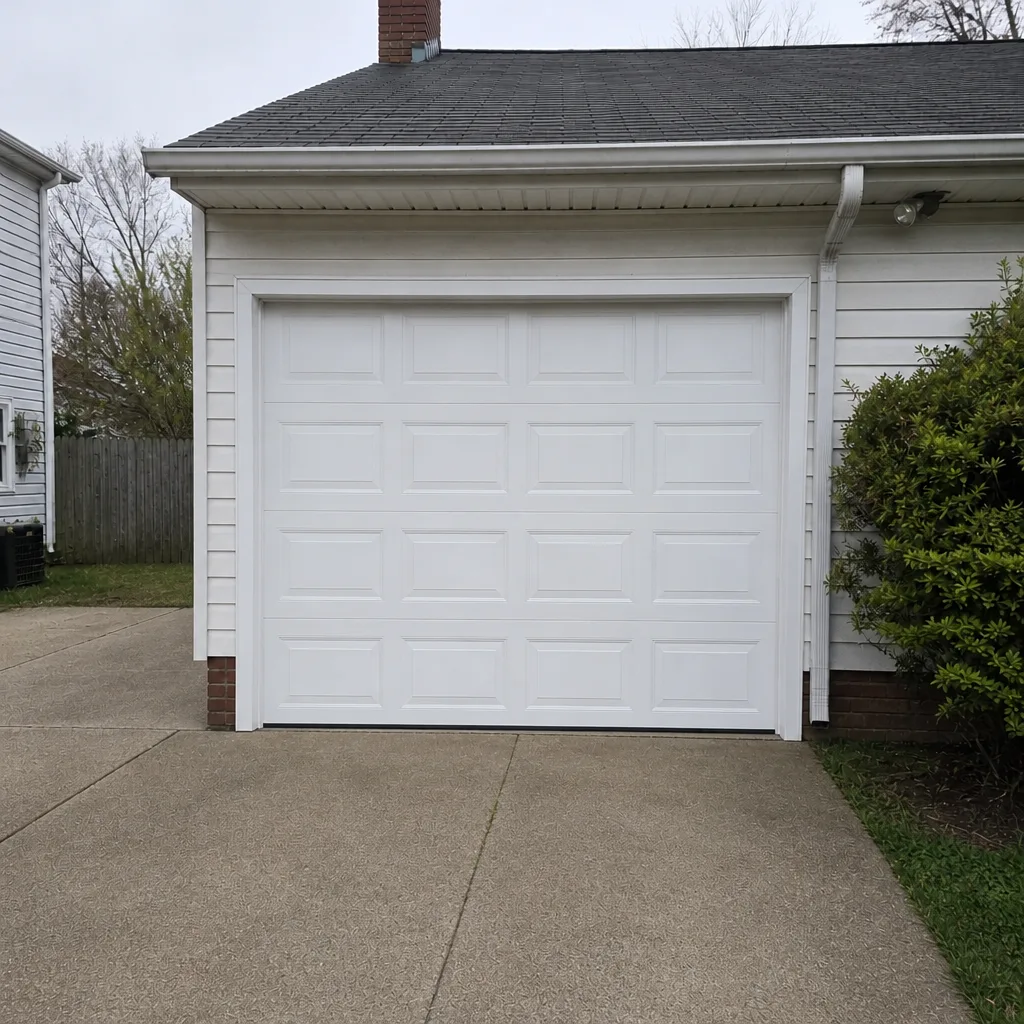 After
When to Call a Professional
Some garage door decisions are pure shopping questions, and some need a trained eye on the actual door. Call when a spring snaps, when the door comes off its track, when the opener reverses unevenly or stops mid-travel, or when a door is clearly at end of life and you want a written estimate on replacement. Spring failures don’t wait, and neither does a door that won’t secure the house. Those are emergency situations, not next-week projects. For a door that’s simply due for replacement, a scheduled measure and written price is the right step, and you can read more about our full range on the Norfolk Garage Door Repair Pros homepage. garage door installation and measurement are also available when you’re ready to upgrade. If a door fails on a Saturday, we’re closed that day, but a call booked through our line gets scheduled into the next opening. Norfolk Garage Door Repair Pros offers free estimates in Norfolk. Call (844) 321-8447. We answer 24/7. Fast dispatch from 7am to 7pm, Sunday through Friday.
Frequently Asked Questions
The best brand for a Norfolk home is the one whose warranty terms survive a marine environment and whose hardware is galvanized or marine-grade, not simply the brand with the most marketing. Clopay, Amarr, Chamberlain and Genie all make strong products when the specific model and warranty are checked against Norfolk’s humidity and proximity to the waterways. Always compare the exact model’s warranty document before deciding, and call (844) 321-8447 for a free estimate if you’d like help choosing.
Yes, many do. Several manufacturers reduce or void certain warranties on doors installed in marine environments or within a defined distance of the water, and the exclusion is usually found in a section labeled environmental conditions or coastal areas. The structural warranty often remains intact while the finish warranty is limited. Ask for the warranty PDF for your exact model number and read the exclusions section before signing anything. Then call (844) 321-8447 if you’d like a second read on it.
It’s worth it when the garage is attached and shares a wall or ceiling with conditioned space, mainly for summer cooling comfort, and less so for a detached garage. Norfolk’s heat pushes into an uninsulated garage all day and loads the rooms next to it. The energy savings are real but modest, so the best case for insulation is shared-wall comfort and noise reduction. Ask your dealer how the R-value was measured, and call (844) 321-8447 for a free estimate on an insulated door.
They’re separate purchases. The door (Clopay, Amarr, Wayne Dalton) and the opener (Chamberlain, Genie, LiftMaster, Craftsman, Raynor) are made by different manufacturers, and pairing them across brands is completely normal. We work on your brand for both, across eight major lines. You don’t need to match them.
We work on the eight major brands we’ve named: LiftMaster, Chamberlain, Genie, Clopay, Amarr, Wayne Dalton, Craftsman, and Raynor. If your door or opener is one of these, one call covers it. If it’s outside that list, call (844) 321-8447 and we’ll tell you honestly whether we’re the right fit.
A standard residential replacement is measured and ordered first, then scheduled for installation, so the timeline depends on the model and any custom sizing. Insulated and composite doors typically take longer to source than standard steel. That’s why we promise a free measure and a written price rather than same-day install. Call (844) 321-8447 to schedule a measure, and we’ll give you the schedule in writing.
The Bottom Line
Choosing a garage door brand in Norfolk comes down to three things: whether the warranty holds up in a marine environment, whether the hardware is galvanized, and whether the brand has local service support when something fails. Clopay, Amarr, Chamberlain and Genie all make solid doors when the exact model and warranty terms are checked first. Steel handles most Norfolk homes well, aluminum covers wide openings, and composite fits historic aesthetics. Insulation pays off most on attached garages. And if a spring fails or the door comes off its track, one call covers it. Call (844) 321-8447 for a free estimate. We answer 24/7. Fast dispatch from 7am to 7pm, Sunday through Friday.
Written by the team at Norfolk Garage Door Repair Pros.