
Last updated November 21, 2026
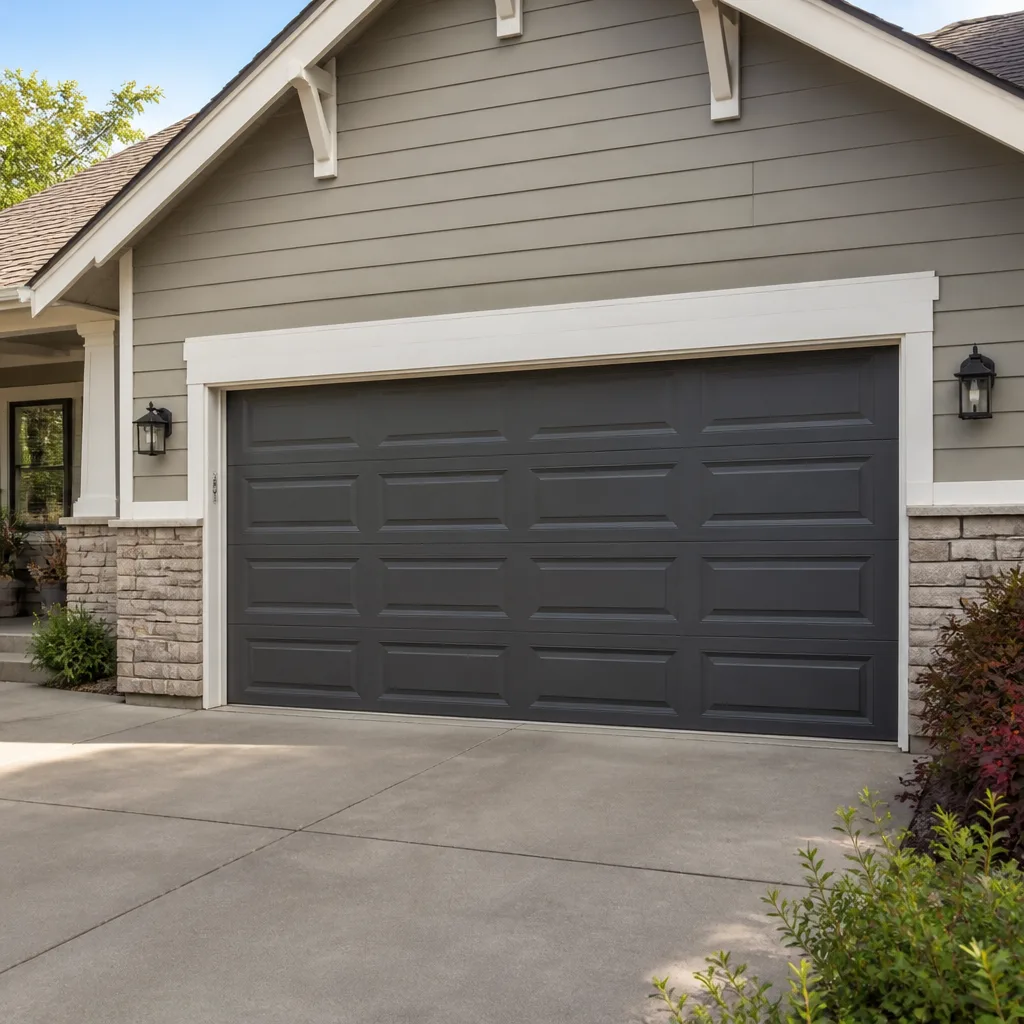 Raised-panel steel
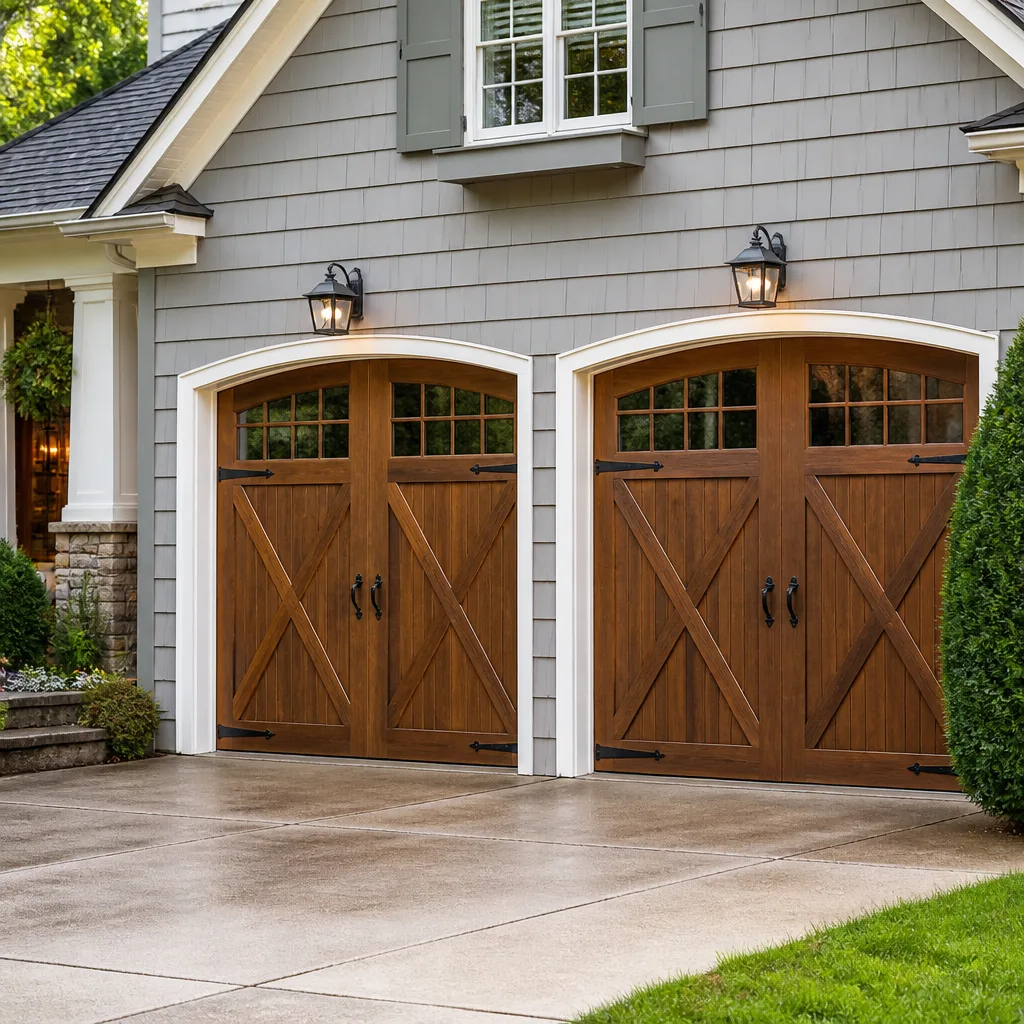 Carriage house
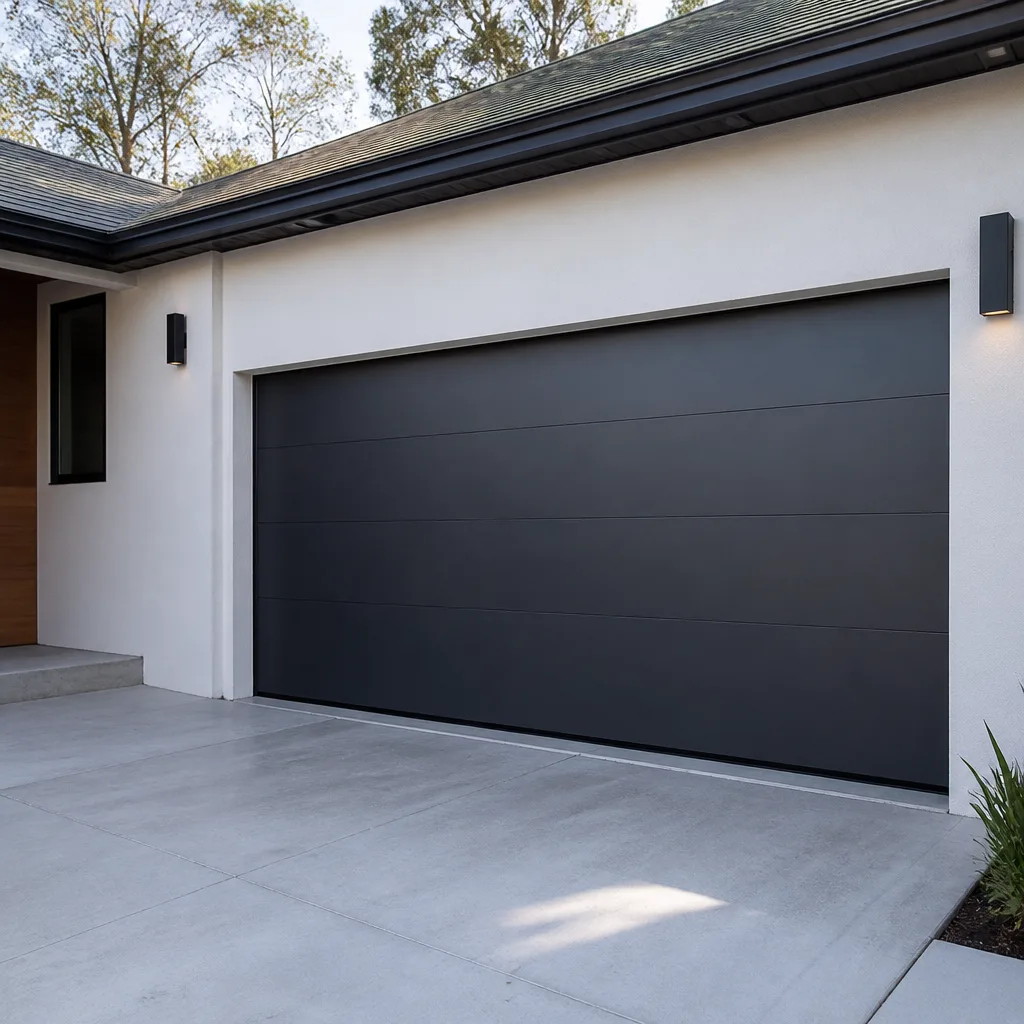 Modern flush
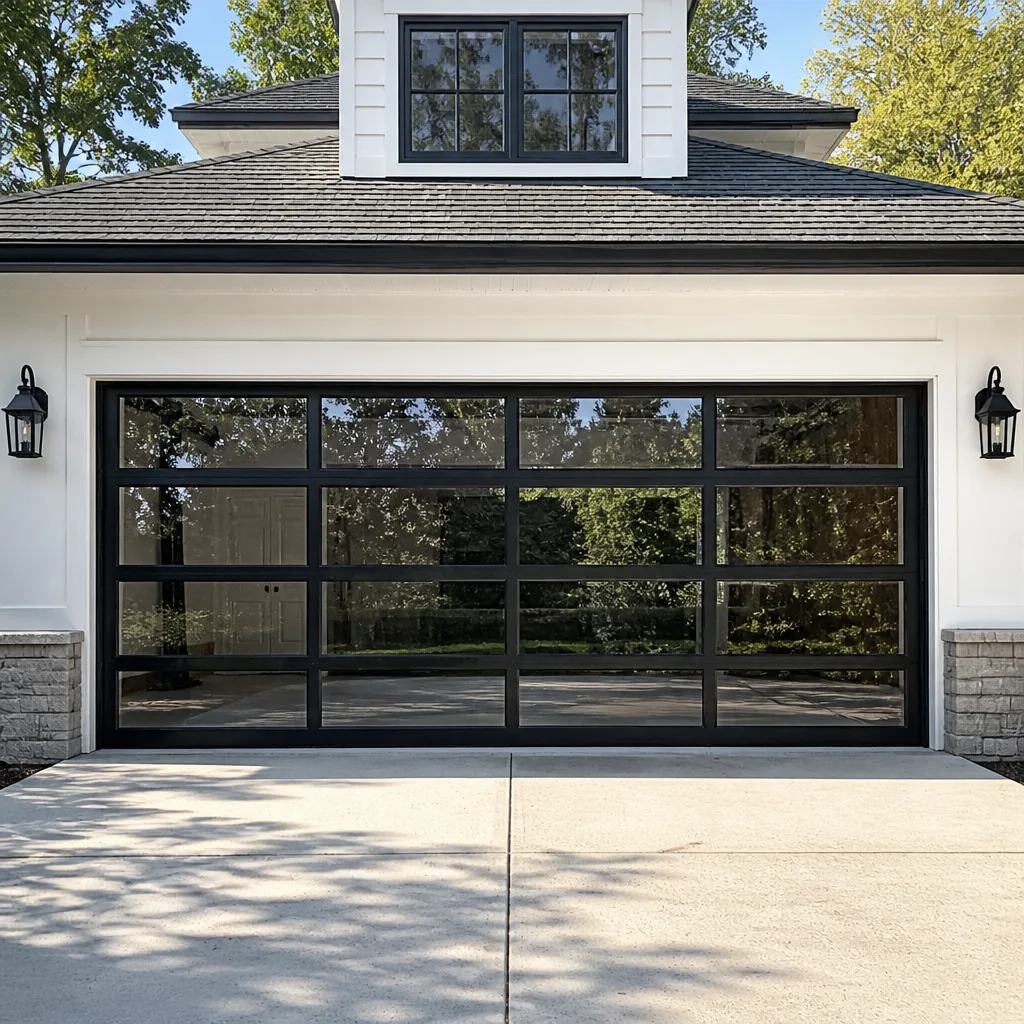 Full-view glass
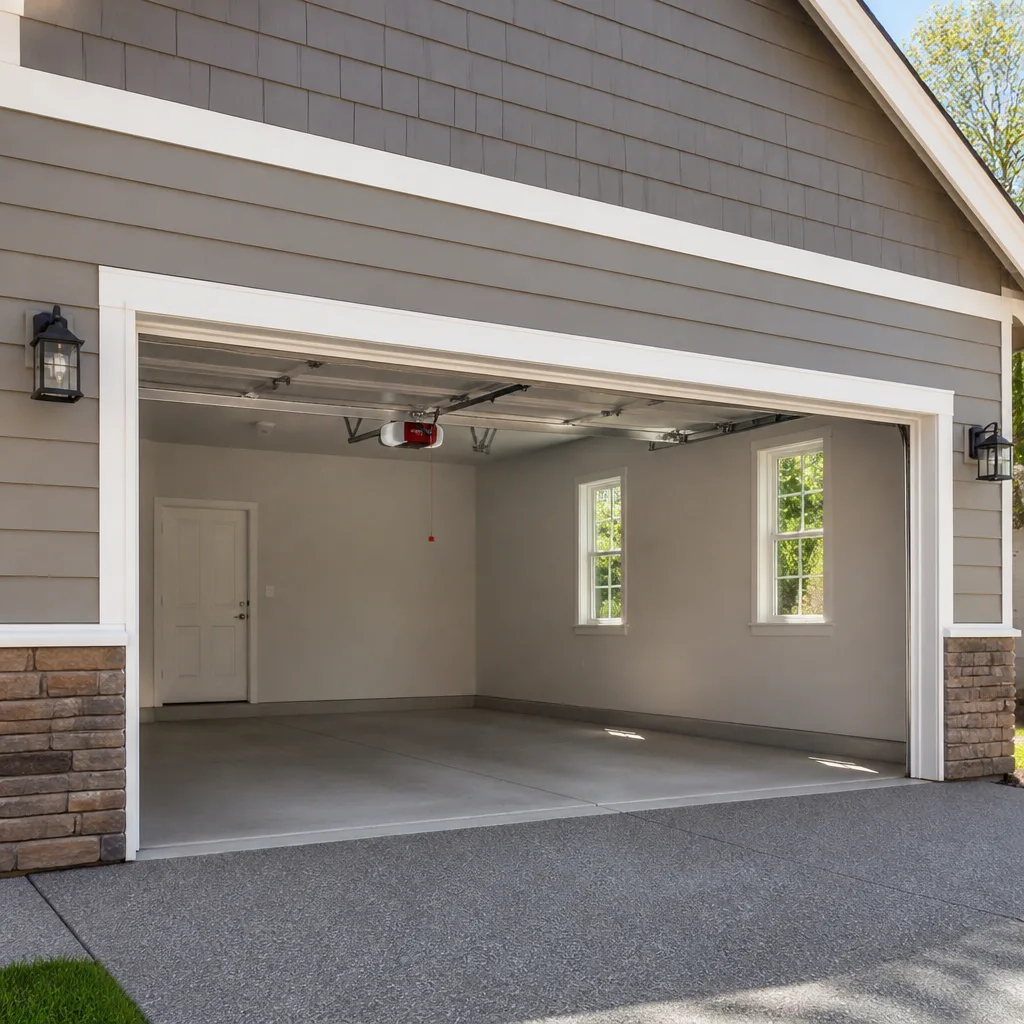 LiftMaster openers
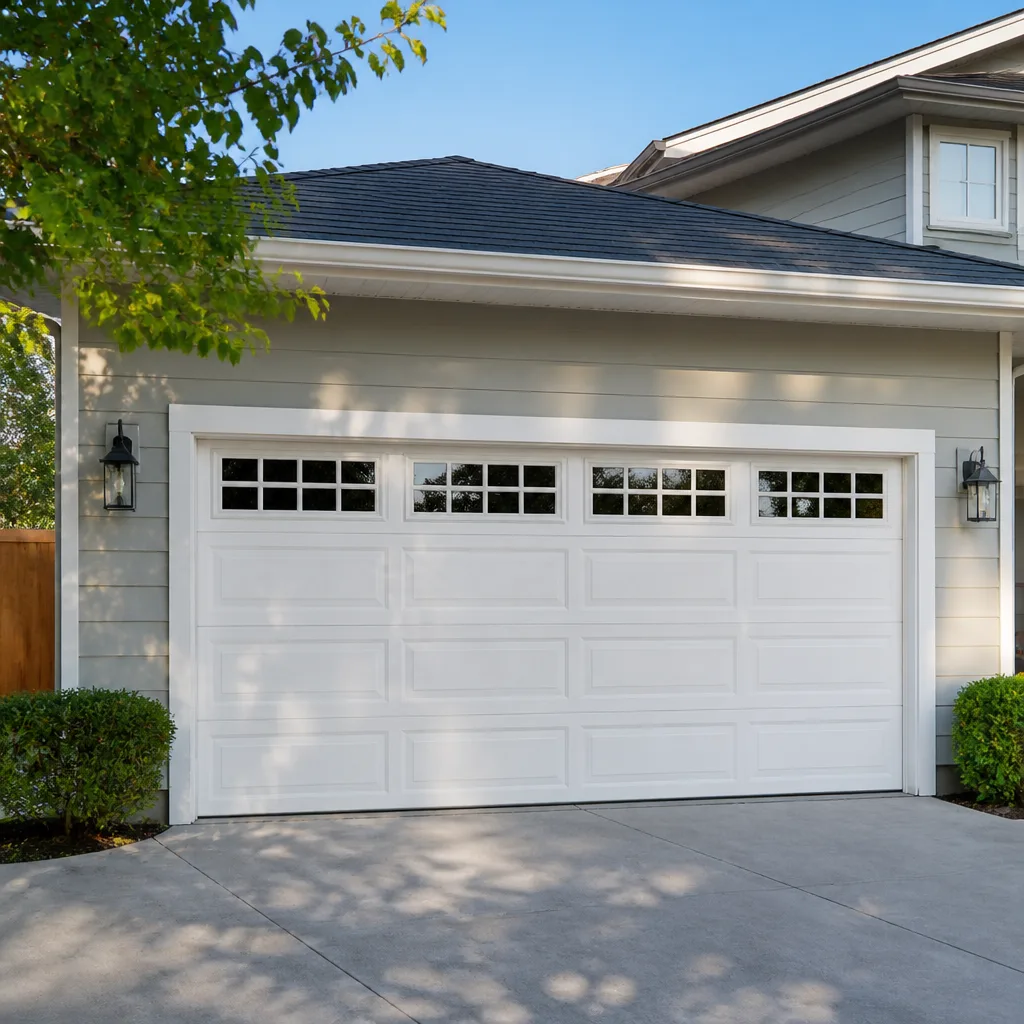 Chamberlain openers
Full 25-point door and opener safety check with every visit - springs, cables, rollers, tracks, and your LiftMaster or Chamberlain opener included
You get a price before we start. It does not change when the pro arrives.
Get your free estimateSeasonal Garage Door Care for Norfolk: Year-Round Homeowner’s Guide
Most seasonal garage door guides are written for places that get buried in snow and frozen solid for months. Norfolk doesn’t work that way. We don’t get Minnesota winters, and there’s no deep freeze to winterize for. What we do get is a humidity season that runs closer to eight months than four, sudden nor’easters that push water and wind where it doesn’t belong, and summer heat that quietly wears down seals and opener electronics faster than most homeowners expect. This guide walks through what each Norfolk season actually does to your door and opener, and the one monthly check that catches most developing problems before they turn into emergency calls.
Quick Answer
Seasonal garage door care in Norfolk means checking and lubricating moving parts monthly, testing the safety reverse and balance every month, inspecting seals and weatherstripping before and after storm season, clearing the tracks of grit and debris year-round, and having springs and cables inspected by a trained technician. The mild climate reduces freeze damage but increases humidity-driven wear and heat-related opener strain, so the calendar here is less about winterizing and more about moisture, storms, and heat.
Styles & brands we work with
- Raised-panel steel
- Carriage house
- Modern flush
- Full-view glass
- LiftMaster openers
- Chamberlain openers
Table of Contents
- Spring in Norfolk: Post-Nor’easter Inspection Priorities
- Summer: How Heat Above 90°F Degrades Openers and Seals
- Fall: Hurricane Prep Beyond Closing the Door
- Winter: The Problems a Mild Hampton Roads Winter Still Creates
- The Monthly Balance Test That Catches Most Problems
- Lubrication and Hardware Care Through the Year
- Brand Matters: What We See on Norfolk Doors
- Common Mistakes to Avoid
- When to Call a Professional
- Frequently Asked Questions
Spring in Norfolk: Post-Nor’easter Inspection Priorities
Spring in Norfolk means nor’easters, and a nor’easter does things to a garage door that a thousand routine open-close cycles never will. The real damage usually happens during the storm itself, when sustained wind pressure hits the door panel, and again in the 48 hours after, when moisture finds its way into hardware, tracks, and the gap around the door. A door that ran fine before the storm can develop a creak, a bind, or a sluggish opener by the next morning.
Storm conditions stress several things that everyday use doesn’t:
- Panel and door alignment. Wind pressure can flex panels and shift a door slightly out of square in its tracks. A door that rubs on one side after a storm is telling you the alignment moved.
- Hinge and roller fasteners. Vibration from wind buffeting loosens hinge screws and roller brackets. Loose fasteners put uneven load on the opener and the springs.
- Bottom seal and side weatherstripping. Wind-driven rain works under and around the seal. If water is getting in after a storm, the seal is the first place to look.
- Track alignment. Debris blown against the door, or a bump from a car in a hurry to get inside, can knock a track out of line.
Once a storm passes, walk the door before you run it. Look for bent panels, loose hinges, and anything sitting in the tracks. Then open and close it once by hand, if your door has a manual release you can safely operate, and listen. Grinding or scraping means stop and call. A smooth, quiet cycle means you’re probably fine, but check the balance test in the section below and repeat it monthly through the spring.
We’ve seen the pattern enough times to know it well: a Norfolk door survives the storm, then fails three weeks later because a loosened hinge bracket was quietly straining the opener the whole time. A quick visual inspection after every named storm is the cheapest insurance there is. If you’d rather have trained eyes on it, our garage door repair service covers exactly this kind of post-storm inspection and adjustment.
Summer: How Heat Above 90°F Degrades Openers and Seals
Summer heat is the season most Norfolk homeowners underestimate. When the temperature climbs above 90°F, the inside of a closed garage can run much hotter than the outside air, and that sustained heat does real damage to two components in particular: the opener’s logic board and the rubber seals.
Opener logic boards
The logic board is the brain of your opener. It manages the safety sensors, the travel limits, the force settings, and any smart-home features. Heat stresses the capacitors and solder joints on that board, and the failure often shows up as strange, intermittent behavior: the door opens a few inches and stops, the remotes work one day and not the next, or the light flickers for no clear reason. On older Chamberlain, LiftMaster, Genie, and Craftsman units, a hot summer can push a borderline board over the edge. That doesn’t mean the opener is finished; it often means the board needs diagnosis and possibly replacement.
Rubber seals and weatherstripping
Heat makes rubber more pliable, then dries it out over weeks and months of direct sun and hot air. The bottom seal on a south- or west-facing door is the first to go. Once it hardens and cracks, it stops sealing, which lets hot air, insects, and moisture in. The side and top weatherstripping follows. A seal that crumbles when you press it is done.
What to check in summer
- Press the bottom seal all along its length. It should spring back. If it’s stiff or cracked, plan to replace it before fall.
- Watch the opener through a full open-and-close cycle once a week. Any hesitation, stutter, or reversed direction is a signal to get it looked at.
- Clear the vents on the opener housing and keep stored items away from it so it can shed heat.
- Test the safety reverse monthly; heat can affect sensor alignment as mounts expand and contract.
If your opener is misbehaving in the heat, our garage door opener repair service handles both legacy and modern smart-openers, so there’s no guesswork about whether your unit is supported.
Fall: Hurricane Prep Beyond Closing the Door
Closing your door before a hurricane is step one, not the whole plan. Fall is when Norfolk gets serious about storm readiness, and a garage door is a large, moving, relatively light structure that takes wind load directly. A few checks in advance make a real difference when a storm is bearing down.
Reinforcement hardware
Many modern doors, including Clopay, Amarr, and Wayne Dalton models, can be fitted with vertical and horizontal reinforcement struts or a wind-load reinforcement kit. These add rigidity so the door resists flexing and panel damage under wind pressure. Whether your specific door can be reinforced, and with what, depends on the door and its manufacturer, so it’s worth having a technician confirm the right kit for your model rather than fitting a generic strut.
Emergency release check
Every opener has a manual release, usually a red cord hanging from the trolley. In a storm or a power outage you’ll need it to work. Test it while the door is closed: pull the handle and confirm the door disconnects from the opener. Then re-engage it and run the door to reset. If the release is stiff, tangled, or won’t re-engage cleanly, get it fixed before storm season, not during it.
A manual operation drill
Know how to open and close your door by hand, because after a storm or a power loss you may have to. With the door disconnected, lift it partway and let it settle. A balanced door should stay put. If it drops or rises on its own, the springs are out of balance and need a professional look. Don’t try to adjust springs yourself. Torsion and extension springs are under extreme tension, and a mistake can cause serious injury.
Fall checklist
- Inspect panels for dents or loose sections and tighten or have them repaired.
- Confirm the manual release operates and re-engages.
- Test the balance of the door by hand with the opener disconnected.
- Check that the bottom seal makes contact all the way across.
- Clear gutters and the area around the door so water drains away from the threshold.
Winter: The Problems a Mild Hampton Roads Winter Still Creates
A Hampton Roads winter rarely freezes hard, but mild winters create their own set of garage door problems. The day-night temperature swing is the culprit: warm afternoons, cold nights, and condensation that forms, then re-forms, on metal hardware and inside the opener housing. That cycling does more slow damage than a single cold snap would.
Condensation cycling
When warm, moist air meets cold metal in the evening, water beads on hinges, springs, and tracks. Overnight it can freeze lightly or simply sit. By morning it’s gone, and the cycle repeats. Over a winter, that moisture works its way into pivot points and encourages rust and stiffness. Monthly lubrication in winter matters more here than in colder climates, because you’re fighting moisture, not ice.
Seal compression
Rubber seals that sat compressed against a cold concrete floor all winter can take a set and stop springing back. If your door leaks air or water at the bottom in early spring, the seal may have flattened over the winter. A quick press test tells you: if the seal stays compressed, it’s time to replace it.
Motor strain on cold mornings
Cold grease and stiff rollers make the door harder to move, and the opener has to work harder to lift it. If your opener strains or the door moves sluggishly on a cold morning, the door may be out of balance or the hardware may be stiff, and the opener is telling you so. Don’t turn up the force setting to compensate; that masks the problem and wears the opener out faster. Address the balance and lubrication instead.
Winter checks
- Wipe down hinges and springs and apply a proper garage door lubricant monthly through the cool months.
- Listen for new noises on cold mornings and note when they happen.
- Press-test the bottom seal and replace it if it’s flat or cracked.
- Keep the tracks clean and dry; grit plus moisture equals rust.
The Monthly Balance Test That Catches Most Problems
If you do one thing on a schedule, make it the balance test. In our experience, a door that fails the balance test is usually showing the early stages of a spring, cable, or alignment problem, and catching it here is the difference between a routine repair and a snapped spring that traps a car. It takes about a minute and you can do it safely as long as you follow the steps and keep your hands clear of the springs and cables.
- Close the door and disconnect the opener using the manual release.
- Lift the door about halfway by hand and let go gently.
- A balanced door should hold roughly where you left it, maybe drifting an inch or two.
- If it falls quickly, the springs are losing tension and need attention.
- If it rises on its own, the springs are over-tensioned.
- Reconnect the opener and run the door to reset the travel.
Any result other than a stable door means it’s time to call. Never adjust the springs yourself. They’re the most dangerous component on the whole door, and a torsion spring under tension can cause serious injury if it lets go. A trained technician has the tools and the know-how to test and replace them safely. Our Norfolk Garage Door Repair Pros team treats spring work as a core service, not an afterthought, and that matters when a spring lets go.
Lubrication and Hardware Care Through the Year
Lubrication is the least glamorous maintenance task there is, and it’s also one of the most effective. In Norfolk’s humidity, moving parts need lubrication more often than in dry climates, because moisture constantly works against the grease. A light monthly pass through the season keeps the door quiet and reduces strain on the opener.
What to lubricate and what to leave alone
- Lubricate: hinges, rollers (the bearing, not the track), springs if the manufacturer recommends it, and the pivot points at the top and bottom of the door.
- Leave alone: the tracks. Tracks should be wiped clean and dry. Lubricant on a track attracts grit and gums up the rollers. Clean the tracks with a damp cloth and dry them.
- Check: tighten any loose hinge screws and roller brackets as you go. Loose hardware is a common, quiet source of wear.
A simple monthly routine
- Inspect the door visually for bent panels, loose hardware, and debris.
- Run the balance test with the opener disconnected.
- Test the safety reverse: place a small object in the door’s path and confirm the door reverses on contact.
- Wipe the tracks clean and dry.
- Lubricate the moving metal parts with a garage door lubricant.
- Listen through a full open and close cycle for anything new.
That routine covers the majority of what goes wrong between professional visits. If something new shows up, note it and get it looked at rather than waiting for it to get worse.
Brand Matters: What We See on Norfolk Doors
Garage doors and openers are not interchangeable, and the brand on your door tells a technician a lot about how to diagnose and what parts to source. We work on a focused set of major brands, and that familiarity means faster diagnosis and the right parts the first time. For openers, LiftMaster and Craftsman units are common on Norfolk homes, and the older models in particular have their own quirks around logic boards and travel limits. On the door side, we see plenty of Clopay doors and Wayne Dalton models, each with their own spring, hinge, and roller setups. Raynor doors turn up too, and their hardware has its own specifications.
Knowing the brand narrows the search when a door starts misbehaving, and it prevents the wrong part from getting fitted in a hurry. If you’re not sure what you have, the brand and model are usually stamped on the opener housing or on a label on the door itself. Note them before you call; it makes the conversation faster. When a door has reached the end of its life, our garage door installation service handles replacement on the same brands we repair, so you’re not handed off to another contractor mid-project.
Common Mistakes to Avoid
- Greasing the tracks. It feels like maintenance, but lubricant in the tracks collects grit and dirt and wears the rollers faster. Tracks should be clean and dry; the rollers and hinges get the lubricant.
- Turning up the opener’s force setting to fix a sluggish door. A door that strains is usually out of balance or stiff, not under-powered. Raising the force masks the real problem and shortens the opener’s life.
- Skipping the post-storm check. Norfolk nor’easters loosen hardware and shift alignment, and a quiet three-week delay is all it takes for a small bind to become a failed opener or a bent panel.
- Ignoring the bottom seal in summer. Heat hardens the rubber faster than most homeowners realize, and a cracked seal lets in moisture and insects all fall. Press-test it every few months and replace it when it stops springing back.
- Adjusting springs yourself. Torsion and extension springs are under extreme tension. This is the single most dangerous part of the door to work on, and it’s not a job for a homeowner with a wrench and a video.
- Waiting for the balance test to fail twice. If the door won’t hold its position, the springs are telling you something. A failed balance test is the early warning; act on it the first time.
- Assuming a mild winter means no winter care. Condensation cycling in a Hampton Roads winter quietly rusts hardware and stiffens rollers. Monthly lubrication through the cool months is not wasted effort.
When to Call a Professional
Some garage door work is a homeowner checklist; some is a professional job. Call a trained technician when a spring breaks or the door won’t hold its balance, when the door comes off its tracks or a cable looks frayed or slack, when the opener behaves erratically after heat or a storm, or when a panel is bent badly enough that the door binds. Call immediately if the door is stuck open and the house is unsecured, or if a car is trapped inside. Spring failures don’t wait, and a door that’s jammed or hanging is a safety issue as much as a convenience one.
Norfolk Garage Door Repair Pros offers free estimates in Norfolk. Call (844) 321-8447. We answer 24/7. Fast dispatch from 7am to 7pm, Sunday through Friday, and we’re closed Saturday. The price is quoted and agreed before any work starts, so there are no surprises on the invoice.
Frequently Asked Questions
Once a month for the homeowner checks (balance, safety reverse, lubrication, track cleaning) and once a year for a professional inspection. Norfolk’s long humidity season and hot summers wear on seals, hardware, and opener electronics faster than a drier climate would, so the monthly routine matters more here than in many places.
The monthly balance test is the single highest-value check. In our experience it catches the early signs of spring, cable, and alignment problems before they become emergency calls, and it takes about a minute. Do it every month and after every named storm.
Yes, for the hinges, rollers, and pivot points. Use a proper garage door lubricant, not WD-40 or cooking oil, and leave the tracks clean and dry. Do not attempt to lubricate or adjust the springs yourself; they’re under extreme tension and should only be handled by a trained technician.
Sustained heat above 90°F stresses the opener’s logic board, and a borderline board can start behaving erratically: stalling, reversing, or losing remote signal. It often means the board needs diagnosis or replacement rather than a whole new opener. If your LiftMaster, Chamberlain, Genie, or Craftsman unit starts acting up in the heat, call (844) 321-8447 for an estimate.
Test the manual release, confirm the door’s balance, inspect panels and fasteners, and check whether your door can take a wind-load reinforcement kit. Ask about a kit specific to your door model rather than a generic strut. A quick professional inspection before the season starts is the best way to know your door is ready.
Yes, just differently. A Hampton Roads winter brings condensation cycling on metal hardware and stiff rollers on cold mornings, not deep freeze damage. Monthly lubrication and a press-test of the bottom seal through the cool months keep those small problems from adding up.
The Bottom Line
Seasonal garage door care in Norfolk is less about winterizing and more about managing humidity, storms, and heat. Spring is for post-nor’easter inspection: alignment, fasteners, seals, and tracks. Summer is for watching the opener and pressing the bottom seal. Fall is for storm readiness: the manual release, balance, and reinforcement. Winter is for fighting condensation with monthly lubrication. And through all of it, the monthly balance test is the one check that catches most problems before they become emergency calls. Do the monthly routine, know when to call, and your door will stay quiet and reliable through every Norfolk season.
If you’d rather hand the seasonal checks to a trained technician, or if something’s already acting up, call (844) 321-8447. We work on LiftMaster, Chamberlain, Genie, Clopay, Amarr, Wayne Dalton, Craftsman, and Raynor systems, with technicians who have up to 10 years of experience. The estimate is free, and the price is quoted and agreed before any work starts.
Written by the team at Norfolk Garage Door Repair Pros.
See the difference
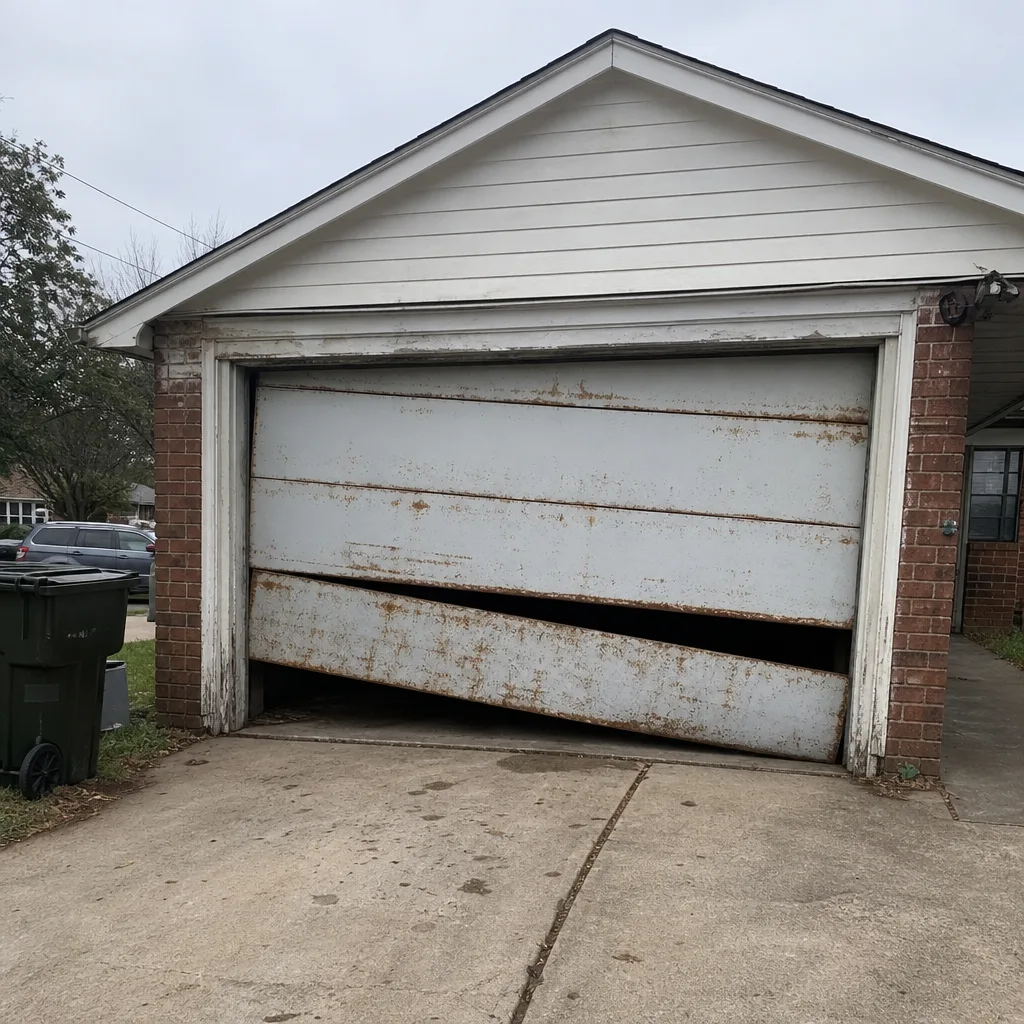 Before
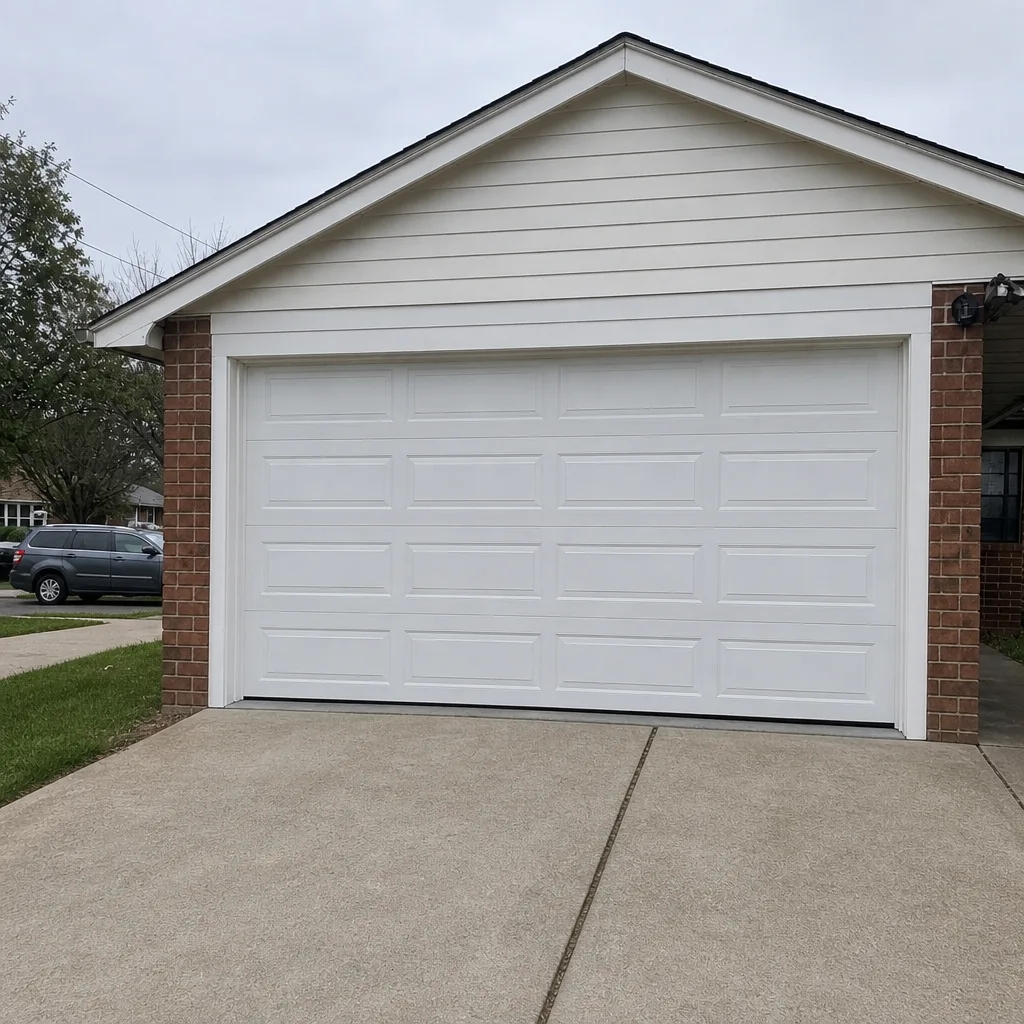 After
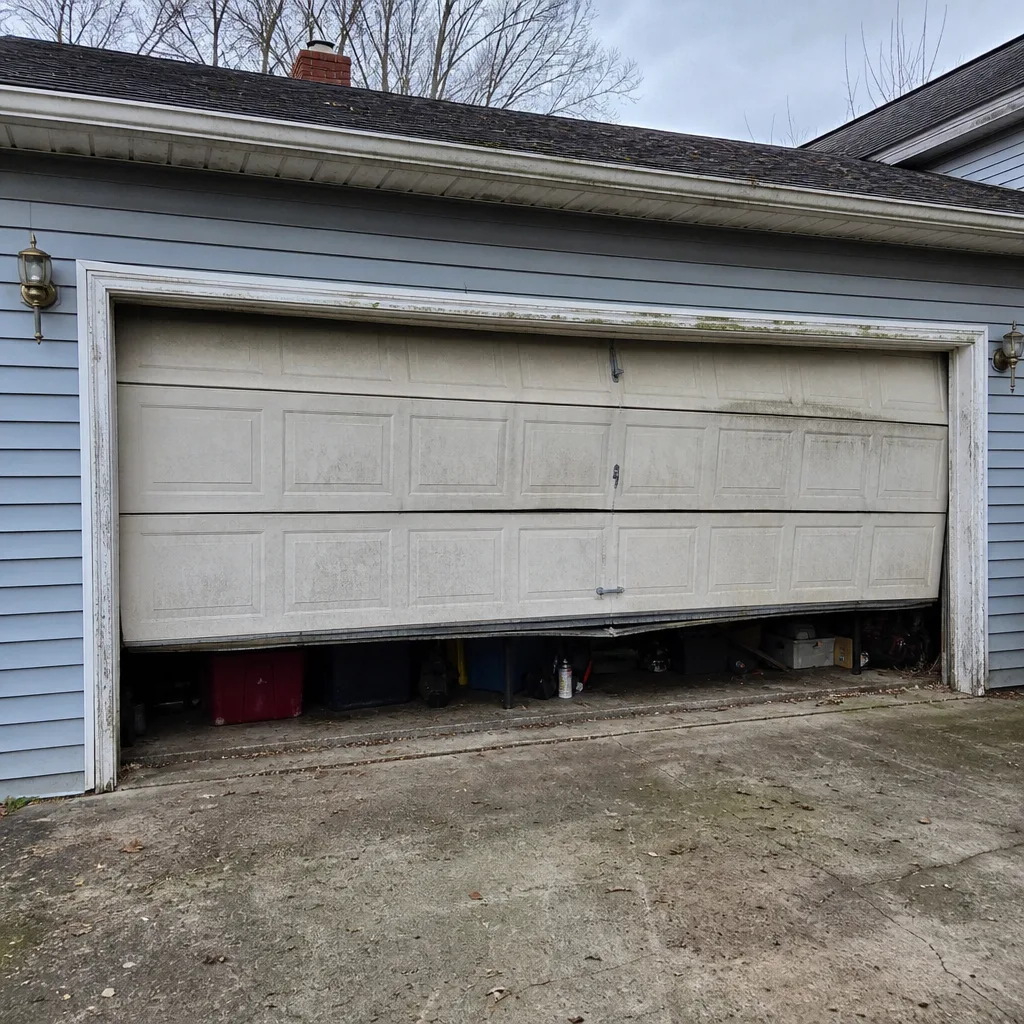 Before
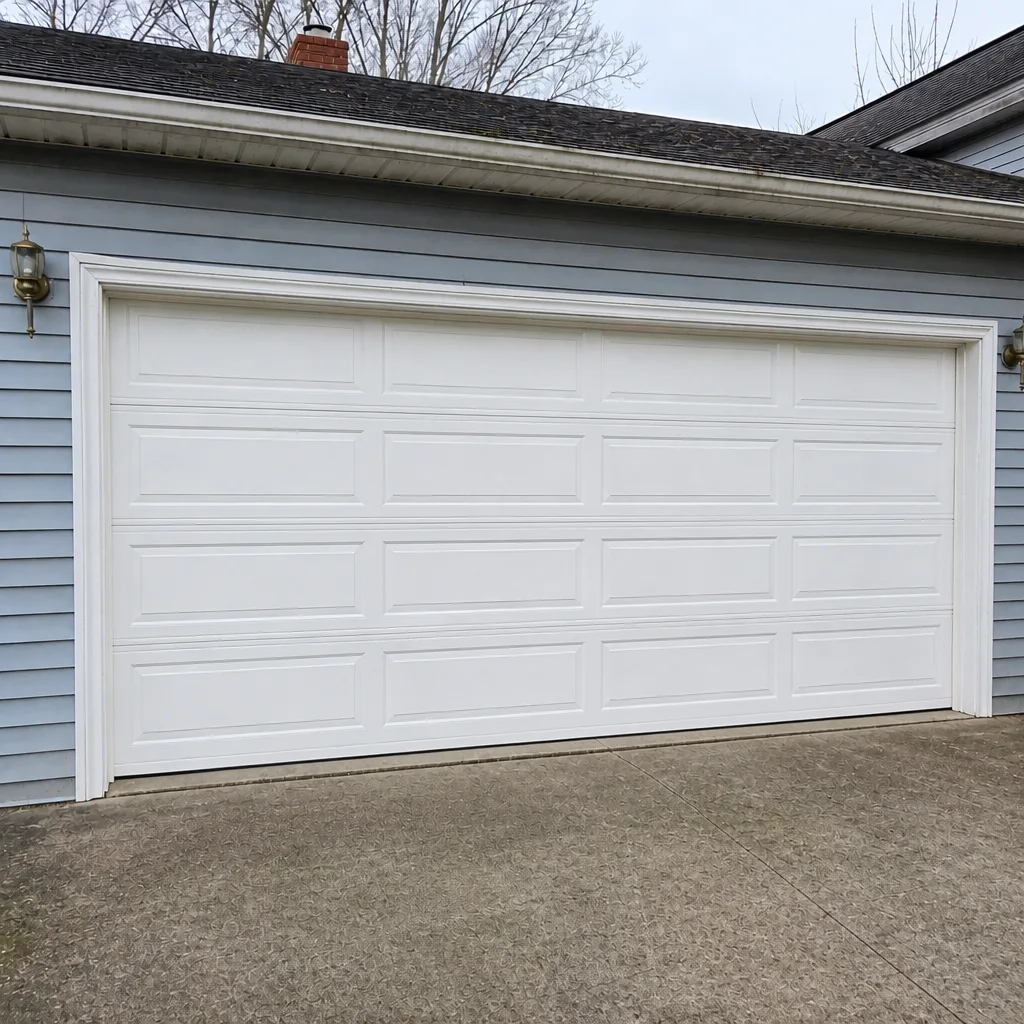 After
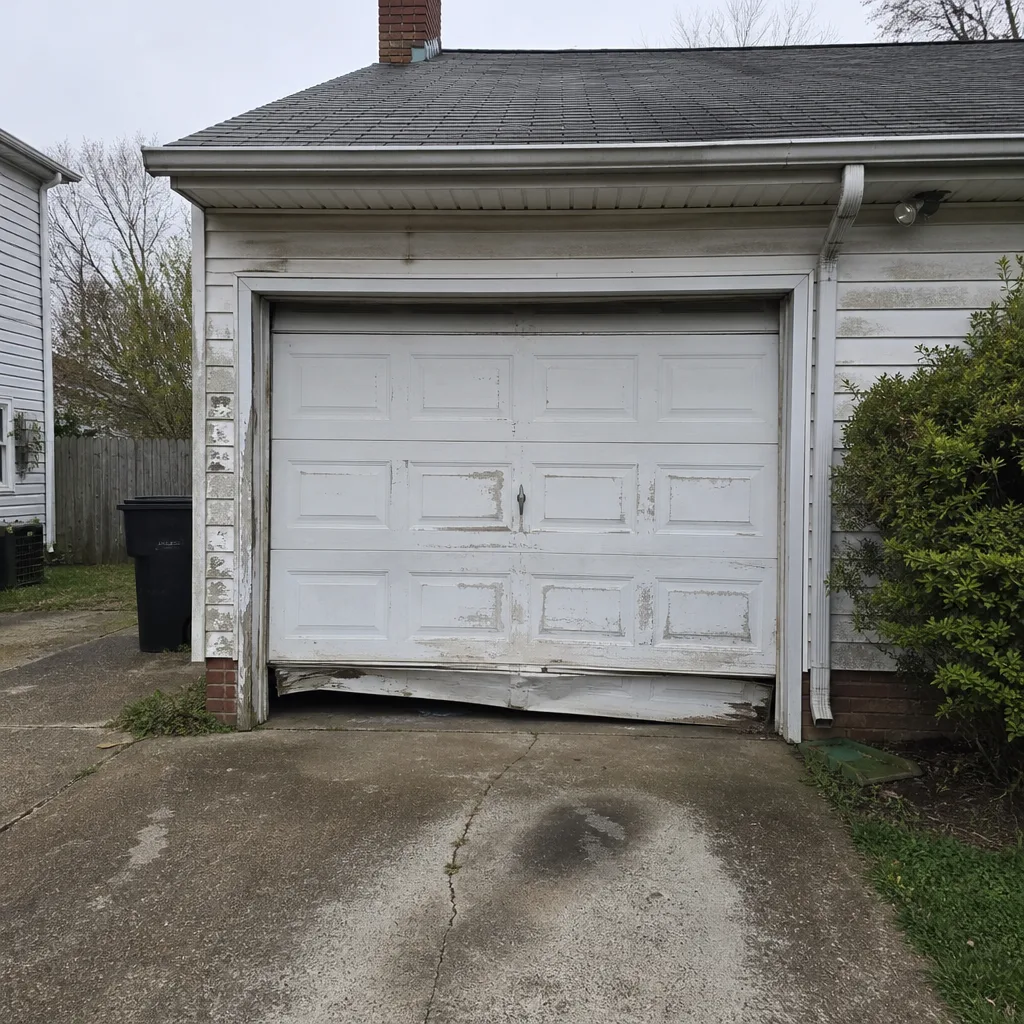 Before
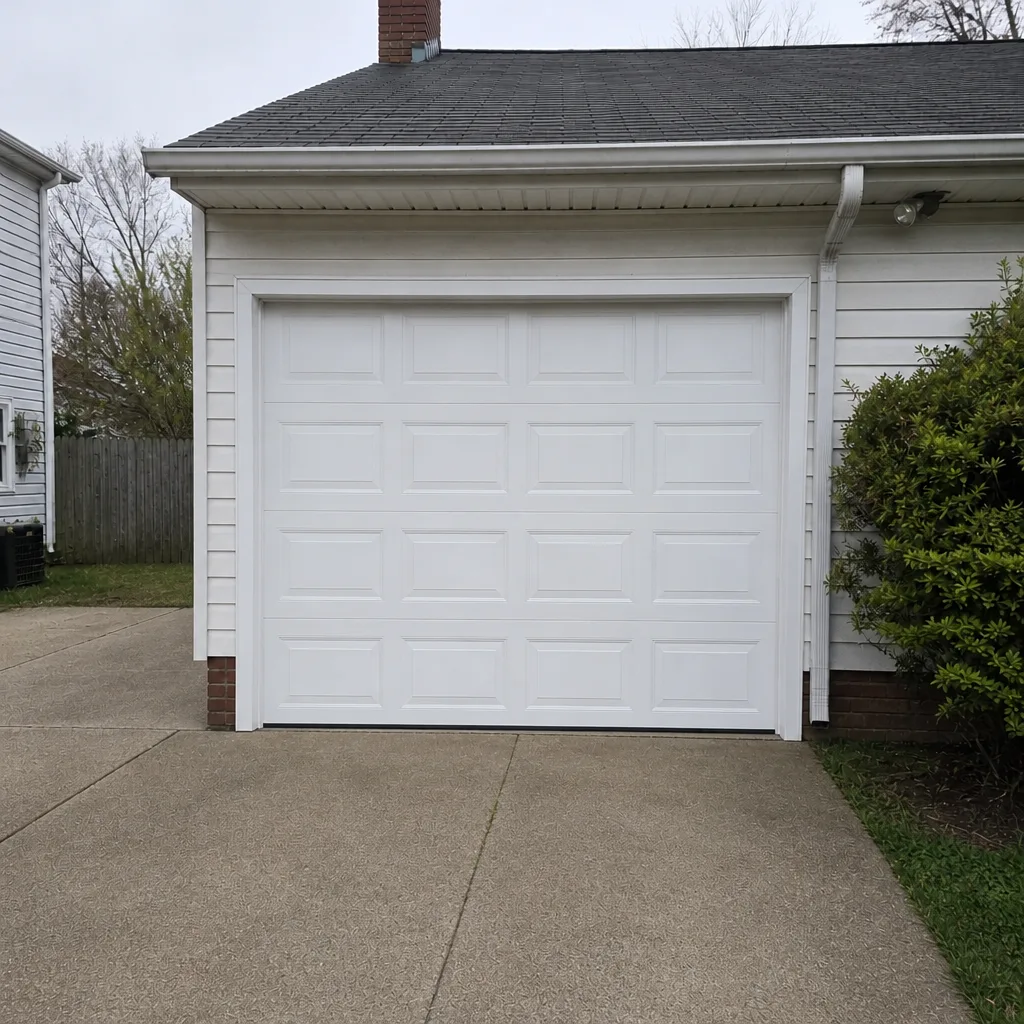 After