
Last updated November 21, 2026
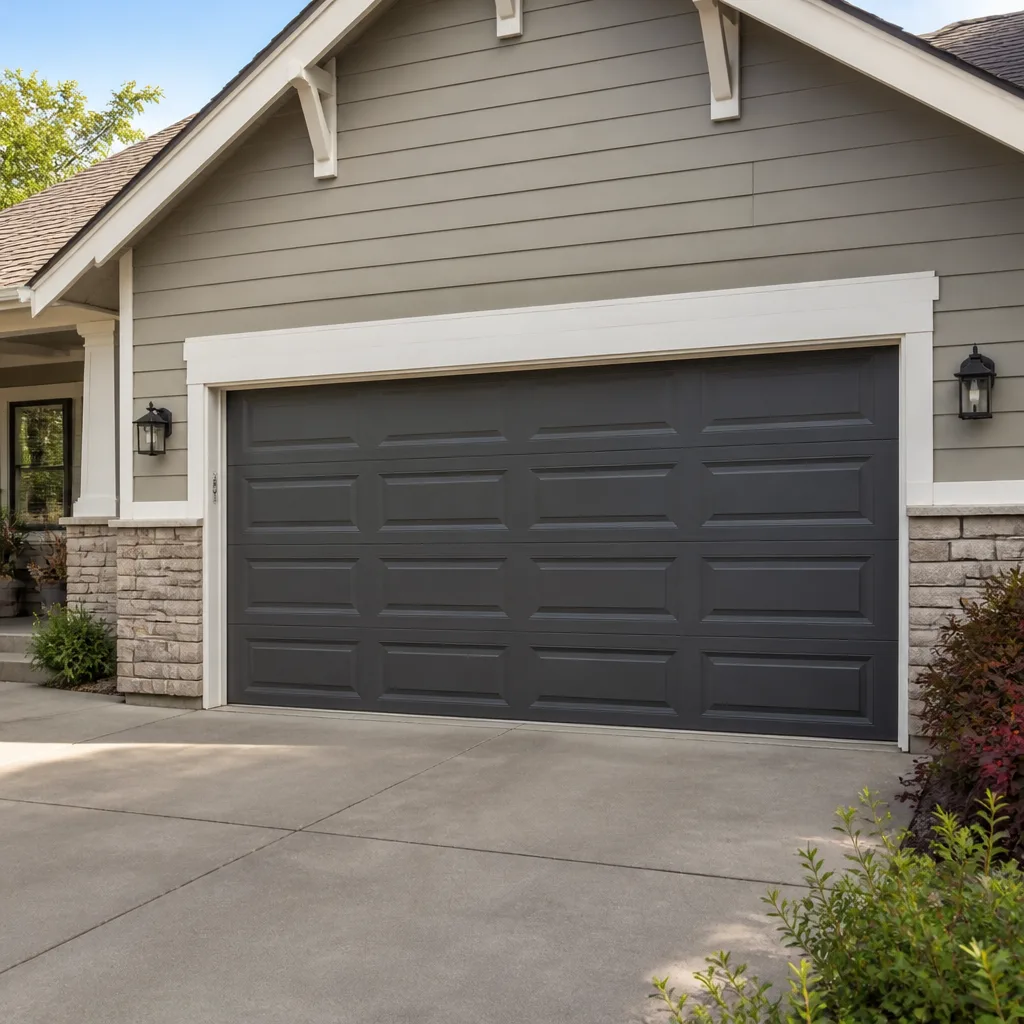 Raised-panel steel
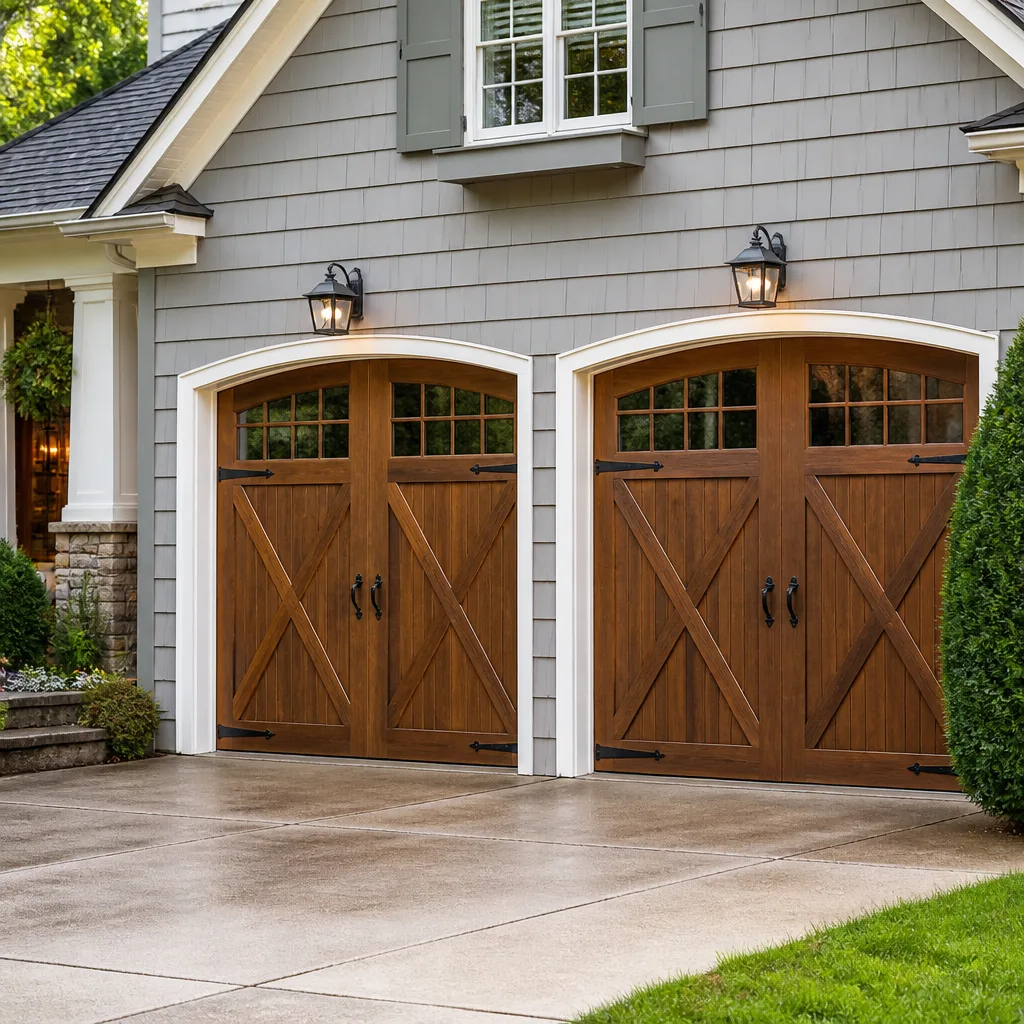 Carriage house
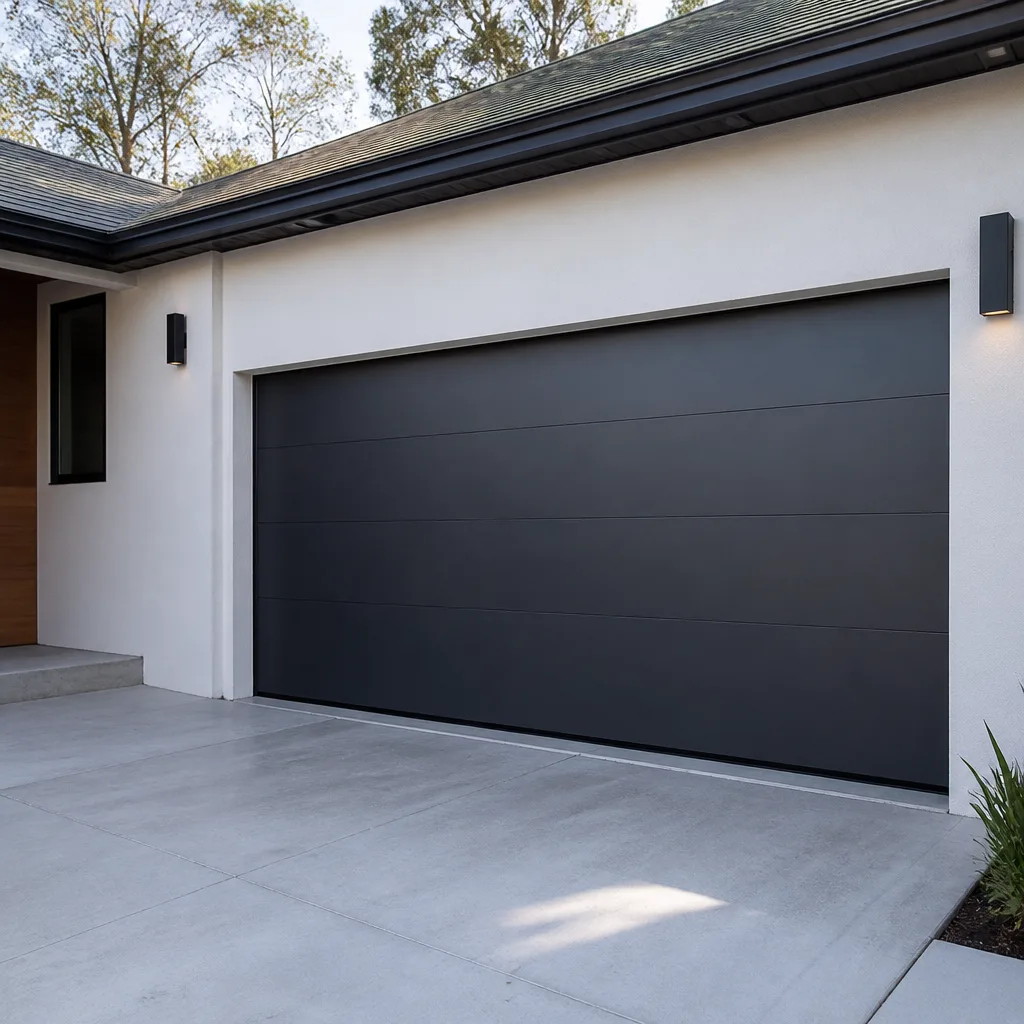 Modern flush
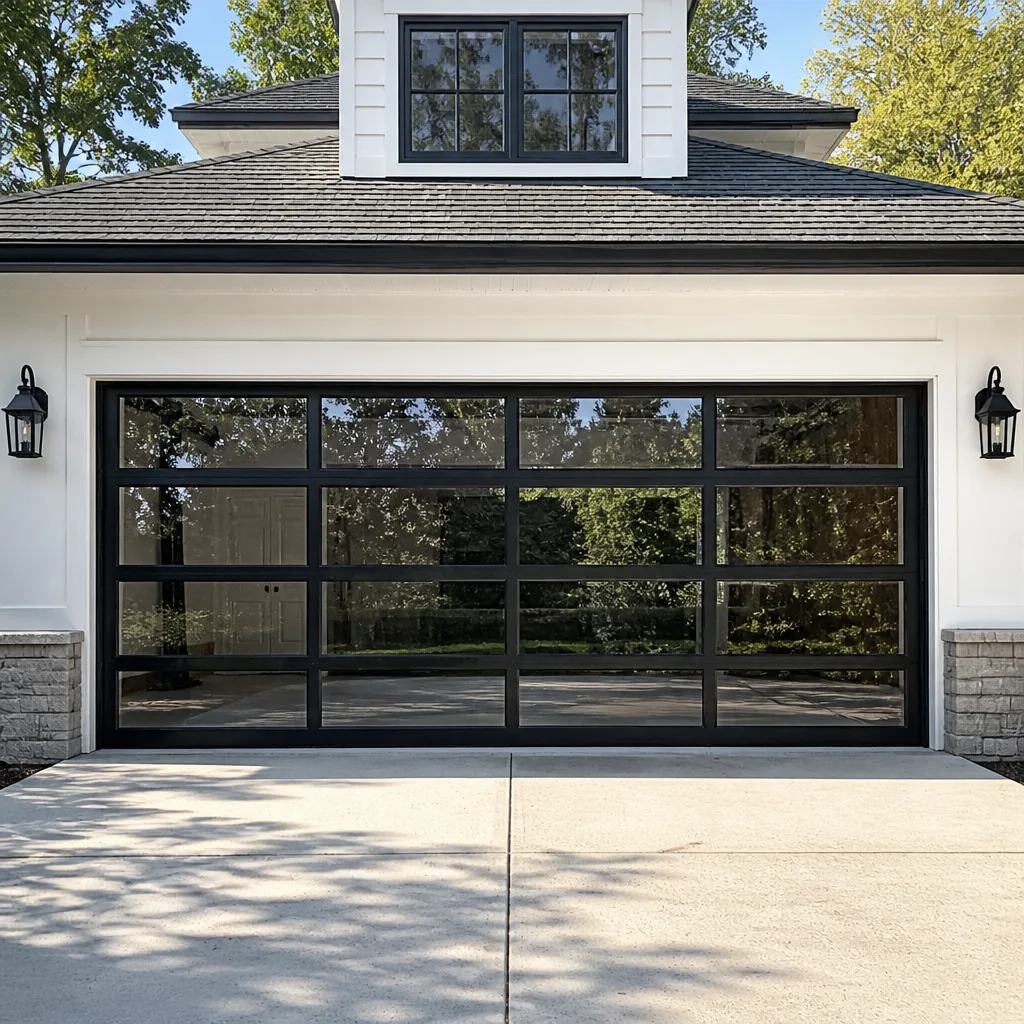 Full-view glass
 LiftMaster openers
 Chamberlain openers
Full 25-point door and opener safety check with every visit - springs, cables, rollers, tracks, and your LiftMaster or Chamberlain opener included
You get a price before we start. It does not change when the pro arrives.
Get your free estimateGarage Door Warning Signs: A Norfolk Homeowner’s Reference Guide
Most homeowners call for garage door help on the day the door stops working entirely. By then, the part that failed has usually been complaining for weeks. The rattle that shows up every winter, the door that reverses halfway down for no reason, the white crust forming on a bottom bracket: these are the noises and marks that say “this is about to break” long before it does. This guide is written to help you read those signals honestly, understand which ones you can safely live with, and know the exact point where a component moves from worn to dangerous. We’ll walk through the sounds, the visuals, and the behavioral quirks that matter in Norfolk homes.
Quick Answer
The most important garage door warning signs are uneven movement, a door that reverses without obstruction, grinding or snapping sounds, visible rust on spring mounts, white mineral crust on bottom brackets, and a motor that sounds like it’s running but doesn’t move the door. Any of these means the door should be inspected before it’s used again. Spring and torsion issues are genuinely dangerous and should never be handled by a homeowner.
Styles & brands we work with
- Raised-panel steel
- Carriage house
- Modern flush
- Full-view glass
- LiftMaster openers
- Chamberlain openers
Table of Contents
- The Sounds Garage Doors Make: Normal Wear vs. Imminent Failure
- Visual Signs, Including the Ones Unique to Norfolk Homes
- Behavioral Signs: Uneven, Reversing, or Slow-Moving Doors
- Opener Warning Signs Most Guides Miss
- DIY vs. Call-Today: A Decision Line for Each Symptom
- How Norfolk’s Climate Accelerates Wear
- Seasonal Checks Any Homeowner Can Do Safely
- Common Mistakes to Avoid
- When to Call a Professional
- Frequently Asked Questions
The Sounds Garage Doors Make: Normal Wear vs. Imminent Failure
A garage door on a healthy track makes a low, even rumble. You should be able to hear the opener lifting the door and then the rollers sliding along the track with a steady, predictable rhythm. Anything outside that baseline is worth paying attention to, and some sounds are a much bigger deal than others.
Here’s a practical breakdown of the sounds you’ll hear from a Norfolk garage door and what each one tends to mean:
- A light creak in cold weather. Usually normal. Cold metal contracts, and hinges stiffen. If it disappears after a few minutes of use, it’s cosmetic. Lubricate the hinges with a garage-door-rated spray and it should quiet down.
- A grind that gets worse over weeks. That’s most often rollers with worn bearings or a dry track. Not an emergency, but not something to ignore. Skipping it accelerates wear on the opener.
- A rhythmic thump once per revolution. Points to a bent or unbalanced panel, a loosened bottom bracket, or a cable that is jumping its drum. Stop using the door until it’s inspected.
- A loud snap, then the door won’t lift. That’s a broken torsion or extension spring. Do not use the door. Do not attempt to lift it manually. The spring holds the door’s weight, and a snapped one can drop the whole door unpredictably.
- A scraping or metal-on-metal shriek. This usually means a panel edge has come out of the track or a hinge has snapped loose. Stop and call.
In our experience across Norfolk homes, the grinding that gets dismissed as “just the weather” is often a torsion spring losing tension. The spring stretches slowly, the door gets heavier, and the opener works harder to lift it. By the time the spring snaps, it’s usually mid-lift, which is why spring failures always seem to happen at the worst possible moment. A spring that has been announcing itself for weeks gives you time to schedule a replacement instead of facing a jammed door and a car stuck inside.
What a Failing Torsion Spring Sounds Like vs. A Failing Extension Spring
Torsion springs sit on a horizontal shaft above the door and lift with a torque motion. When they’re failing, you’ll hear a deep groan during the last foot of opening, and the door may pause or slow just before it reaches the header. Extension springs stretch along the horizontal tracks. A failing extension spring makes a snapping, popping sound and often visibly sags or stretches out of shape. Both types can be lethal to work on. High-tension springs store enormous force, and even experienced technicians wear specialized winding bars to release tension safely. If you suspect a spring problem, treat it as a stop-the-door situation.
Visual Signs, Including the Ones Unique to Norfolk Homes
Not every warning sign announces itself with sound. Many are visible before they become audible, and a few are specific to how homes in Norfolk deal with the local climate. A quick walk-around of the door once a season will show you most of them.
Start with the spring assembly above the door (do not touch it, just look). Rust staining on the spring mount or the metal straps that hold the spring in place is a sign that moisture has been working on the metal. On older oil-tempered springs, rust doesn’t just look bad, it weakens the wire. In a city where summer humidity climbs and sits, springs last a shorter cycle count than springs in drier climates, and that rust is your first visible hint that the spring is closer to the end of its life than you might expect.
The bottom brackets at the corners of the lowest panel deserve a close look. A white, chalky deposit there is a mineral trace from moisture that dries at the bracket and leaves its salts behind. You’ll often see it along the bottom seal as well. That seal is a rubber or vinyl strip that keeps wind and weather out of the garage. When the seal shrinks and pulls away from the door bottom, you’ll spot daylight under the door, hear rattling in wind, and find leaves and dust coming in after every storm. A shrunk seal is a homeowner-replaceable part on most doors, but if the door frame itself has moved or the brackets are pulling loose, that’s a technician job.
The Visual Checklist for Any Norfolk Door
- Look at the springs above the door. Any orange-brown rust spots? Note the location and mention it when you call.
- Check the bottom brackets and hinges. White mineral crust or rust weeping from the fasteners means moisture is getting in.
- Run your hand along the bottom seal. Does it feel soft and consistent, or hard and brittle? Daylight under the door means the seal needs attention.
- Inspect the panels from the inside. Any cracks, soft spots, or sagging mean the panel has lost structural integrity.
- Look at the tracks. If they’re bent, dented, or pulling away from the wall, that’s a call-today situation.
- Check the wall-mounted control and the photo-eye sensors. The sensors should be aimed at each other with nothing blocking them. A knocked sensor is the most common false-alarm cause in Norfolk.
If you want a wider look at what a full door repair involves, our Norfolk Garage Door Repair Pros service overview covers the whole range of what can go wrong.
Behavioral Signs: Uneven, Reversing, or Slow-Moving Doors
Behavioral signs are the ones homeowners describe as “the door acting strange.” They’re the most reliable indicators of a specific failing component, and they’re the easiest to overlook because a door that eventually opens is easy to forgive. Don’t. A door that behaves unevenly today is a door that might drop tomorrow.
The Door Moves Unevenly
If one side of the door lags behind the other during opening or closing, the door is out of the level. That usually means a broken or slipping torsion spring on one side of the shaft, a snapped cable, or a roller that has come out of the track. It’s a call-today symptom. Using a door with one lifted corner puts bending force on the panels, and a bent panel is a much more expensive job than a spring replacement.
The Door Reverses Without Any Obstruction
A door that goes down a foot and then goes right back up is usually misreading its safety sensors. Modern openers send a beam between two photo-eye sensors near the floor. If the beam is blocked by dirt, a spider web, or a misaligned sensor, the controller interprets that as an obstruction and reverses. In cases where the sensors look clean and aligned, the issue is often the opener’s logic board or a short in the sensor wiring. That’s a technician diagnosis, though a Sears or Craftsman opener from the last decade or so will often show a blinking code on the motor housing that narrows the answer down quickly.
The Door Closes Slower on One Side
Uneven closing speed usually indicates that a cable tension has shifted, one of the torsion springs has lost some of its coils, or a track has moved slightly out of plumb. On a newer Clopay or Amarr door, this can happen if the door was installed before the framing settled fully. On an older door, it’s just wear. Either way, a slow side is the early warning that the door is about to bind or jump the track.
The Door Doesn’t Open All the Way
If the door lifts most of the way and then stops, the opener may have hit its travel limit switch, or a torsion spring may have lost enough tension that the opener can’t lift the last few inches. On a door that lifts fully when it’s warm and stops when it’s cold, the cold-side limit switch is out of adjustment. That’s an opener service job.
Behavioral signs like this are the ones our technicians check first when a homeowner calls for garage door repair. Uneven and reversing doors tell us a lot about which component is about to fail.
Opener Warning Signs Most Guides Miss
Homeowners tend to focus on the door and forget the opener is a small motorized machine that shares the workload. A failing opener shows symptoms that most “warning sign” lists skip. If you know what to watch and listen for, you can often replace the opener before it strands you in the driveway.
- Increased cycle time. If the door used to open in eight seconds and now takes twelve, the opener is working harder to lift the same door. That usually means it’s compensating for a door that has become heavier due to spring tension loss, or a hinge that has stiffened. Don’t just replace the opener; have the door checked.
- Reduced remote range. If your remote used to open the door from the end of the driveway and now only works from right next to the wall button, the opener’s receiver or antenna has weakened. On older Craftsman and LiftMaster units, this is common as the circuit board ages. Often a new remote or fresh batteries help, but a persistent short range points to the logic board.
- Motor runs but door doesn’t move. The motor is fine; the mechanical link is broken. Either the drive gear has stripped (a known wear issue on some older Genie models), the chain or belt has snapped, or the emergency release has been pulled. This is not dangerous, but it’s not a homeowner fix except for re-engaging the manual release.
- Opener lights flicker or dim. That can be a power supply issue inside the opener, or a loose connection at the ceiling outlet. It’s worth having diagnosed before the opener dies entirely.
- The wall control randomly stops responding. Modern smart-home openers usually signal this with a short beep sequence or a warning tone. It can mean the wall control’s wire has a loose end, or the opener’s main board is starting to fail.
Opener diagnosis is a real specialty in its own right. That’s why we treat garage door opener repair as a distinct service rather than a byproduct of door repair. We work across Chamberlain, LiftMaster, Genie, and Craftsman lines, and we’re factory-familiar with legacy and modern smart-home systems, so the diagnosis is fast and the parts are correct the first time.
DIY vs. Call-Today: A Decision Line for Each Symptom
The single most useful question for a homeowner facing a garage door warning sign is this: can I safely fix this myself, or does this need a trained technician? Here’s a plain decision line for the symptoms we’ve covered.
- Lubrication and tightening. Hinges and rollers that creak can be lubricated with a garage-door-rated spray. Loose bolts on the door’s hinges can be snugged with a wrench. DIY-friendly.
- Photo-eye sensors and wall controls. Wipe the lenses. Check that the sensors are aimed at each other. Replace remote batteries. DIY-friendly.
- Bottom seal replacement. On most doors, the bottom seal slides out of a channel on the lowest panel. DIY-friendly with the right replacement strip, though matching the profile matters.
- Roller replacement. Technically DIY, but easy to get wrong. A roller that comes out of the track mid-replacement can drop the door. If you’ve done it before, fine. If not, call.
- Visual rust on springs, uneven movement, reversing under no load, grinding that has gotten worse over weeks, and any snapping sound. Call today. These are not homeowner-safe repairs.
- Broken springs, snapped cables, bent tracks, doors off-track. Emergency. Stop using the door, don’t force it, and call.
Here’s the reason this decision line matters so much. The most common garage door injury in the home doesn’t come from the door closing on someone. It comes from a homeowner trying to adjust, wind, or release a torsion spring without the right tools and without knowing how much force it’s holding. Springs don’t look dangerous. They are.
How Norfolk’s Climate Accelerates Wear
Garage doors aren’t just mechanical systems; they’re exposed to whatever the local weather does to them. In Norfolk, three forces work together on your door’s steel, springs, and seal.
First, the region gets a lot of moisture over a year, and that moisture clings to unpainted steel surfaces. Springs are the first casualty because oil-tempered wire has a limited tolerance for prolonged moisture exposure. Rust on the coil isn’t just cosmetic; it eats into the wire cross-section, and a thinner wire holds less tension. That’s why Norfolk springs sometimes fail well before their rated cycle count.
Second, the temperature swings. Cold snaps make metal brittle and stiffen the lubricant. Heat makes seals and plastic components relax and shrink over time. Doors that were perfectly adjusted in April will often show uneven movement in January. If you only test your door on mild days, you’ll miss what it’s telling you in January.
Third, the seasonal expansion of wood-framed garages. Many Norfolk homes have garage frames built from wood that moves with humidity. Small shifts in the header or the jamb can put the door’s track slightly out of plumb, which is why an older door sometimes needs its track adjusted even when nothing is visibly broken. That adjustment is a technician job. Bending a track back by hand usually makes it worse.
You can’t change the climate, but you can choose parts and seals that hold up to it, and you can watch the spring mounts and seals. Anyone considering a replacement should understand what a newer garage door installation includes at the hardware and seal level, because the details matter in this climate.
Seasonal Checks Any Homeowner Can Do Safely
Four times a year, take ten minutes with a flashlight and the door closed. This isn’t a replacement for a professional inspection; it’s a way to catch the obvious signs before they become urgent.
- Test the auto-reverse. Place a two-by-four flat on the floor in the door’s path and lower the door with the wall control. The door should reverse when it contacts the board. If it pushes down on the board, the safety system needs adjustment.
- Test the photo-eye sensors. Wave a hand in front of one sensor. The door should reverse. If it doesn’t, either the sensor is dead, miswired, or aimed wrong.
- Check the balance. Close the door, pull the manual release (with nothing under the door), and lift halfway. A balanced door should hold itself in place. If it drops or rises, the spring is out of adjustment.
- Look at the spring mount and bottom brackets. Rust, white crust, or weeping fasteners are all signals to mention at the next service call.
- Run a fingertip along the bottom seal. Any gaps, daylight, or cracking mean the seal needs attention before winter.
- Listen. Close and open the door with no other noise on in the house. Whatever new sound you notice, write it down. When you call for service, describing the sound precisely helps us diagnose faster.
None of these checks involve touching the spring, the cables, or the torsion assembly. Those components are for trained technicians with proper winding bars and knowledge of the loads involved.
Common Mistakes to Avoid
- Assuming “it just started making that noise.” Most garage door noises have been building for weeks. Ask when the noise started and whether it has changed. On a Norfolk door, the answer is usually “since it got cold.”
- Ignoring rust on the springs because the door still opens. A rusted spring will hold until it doesn’t. It doesn’t warn you with a second chance once it snaps.
- Replacing the whole door when only a panel is bent. On Clopay, Amarr, and Wayne Dalton doors, individual panels are usually replaceable. If you’re quoted a full door for a single bent panel, ask why.
- Calling the opener “broken” when the door itself is the problem. A door that has become heavy from spring tension loss strains the opener, and the opener eventually gives up. The real fix is the door, not a new motor.
- Tightening bolts and forgetting which ones weren’t tight. Loose hardware is often the first sign of a panel that has shifted. A technician can tell you why it loosened rather than just snug it back.
- Fixing the bottom seal without checking why it shrank. A seal that shrank in one winter is normal. A seal that shrank in two months means something has moved.
- Using WD-40 as a track lubricant. It attracts dust, gums up over time, and wears the rollers. Use a garage-door-specific lubricant.
- Waiting to call until the door won’t move at all. A jammed car and an unsecured home are the two most common consequences of a “wait and see” approach in Norfolk. A warning sign is a scheduling opportunity, not a crisis.
When to Call a Professional
Call a professional immediately if the door has snapped a spring, if a cable has visibly detached, if the door has come out of its track, if the panels visibly wobble when opening, or if the motor runs but the door doesn’t move. For slower-developing signs, call when any of these appear: uneven motion, a reversing door with clean sensors, grinding that has worsened over two weeks, visible rust on a spring, a bent panel, or an opener that has slowed noticeably. Norfolk Garage Door Repair Pros offers free estimates in Norfolk. Call (844) 321-8447. We answer 24/7. Fast dispatch from 7am to 7pm, Sunday through Friday.
If you’re hearing even one of the signals in this guide, we can look at the door, confirm what’s happening, and quote a price before any work starts. Our technicians have up to 10 years of experience, work on Clopay, Amarr, Wayne Dalton, and the full line of the eight brand families we support, and treat spring repair as a specialty rather than a side job.
See the difference
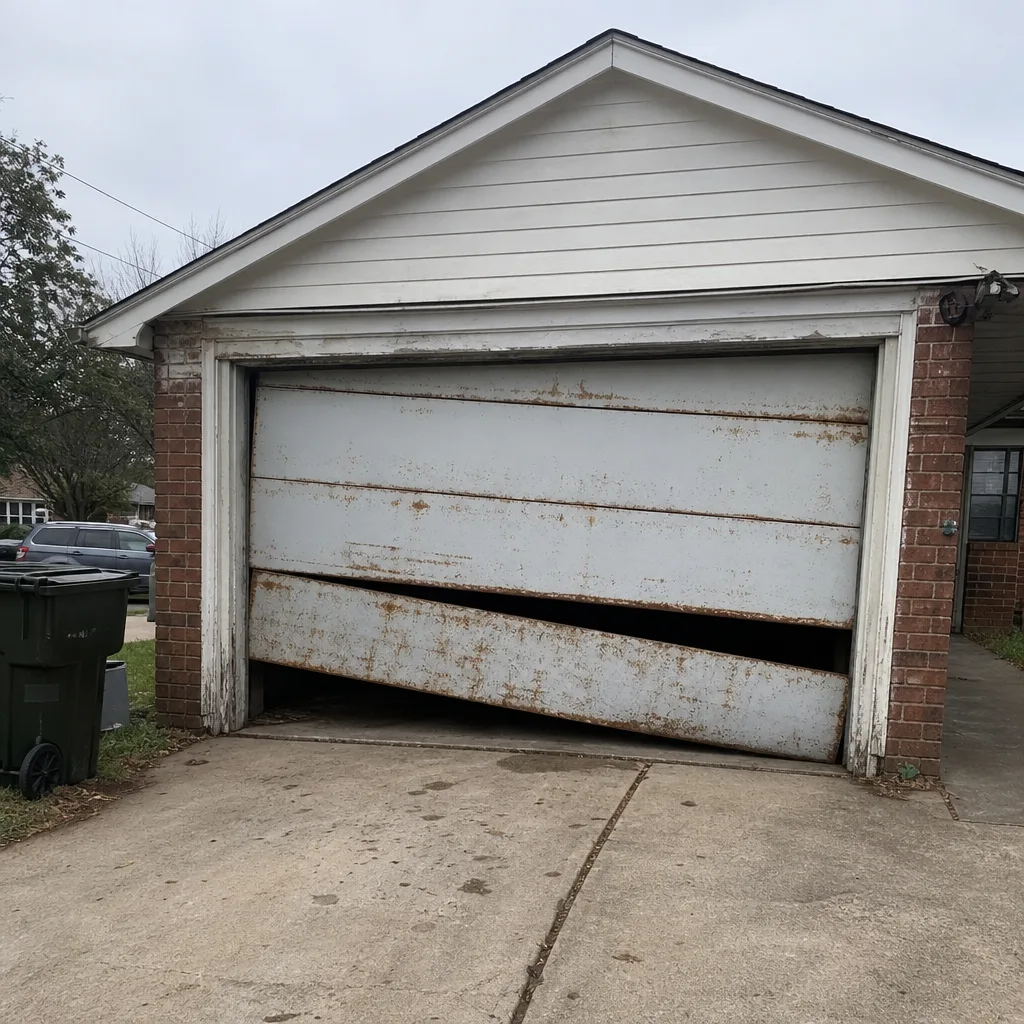 Before
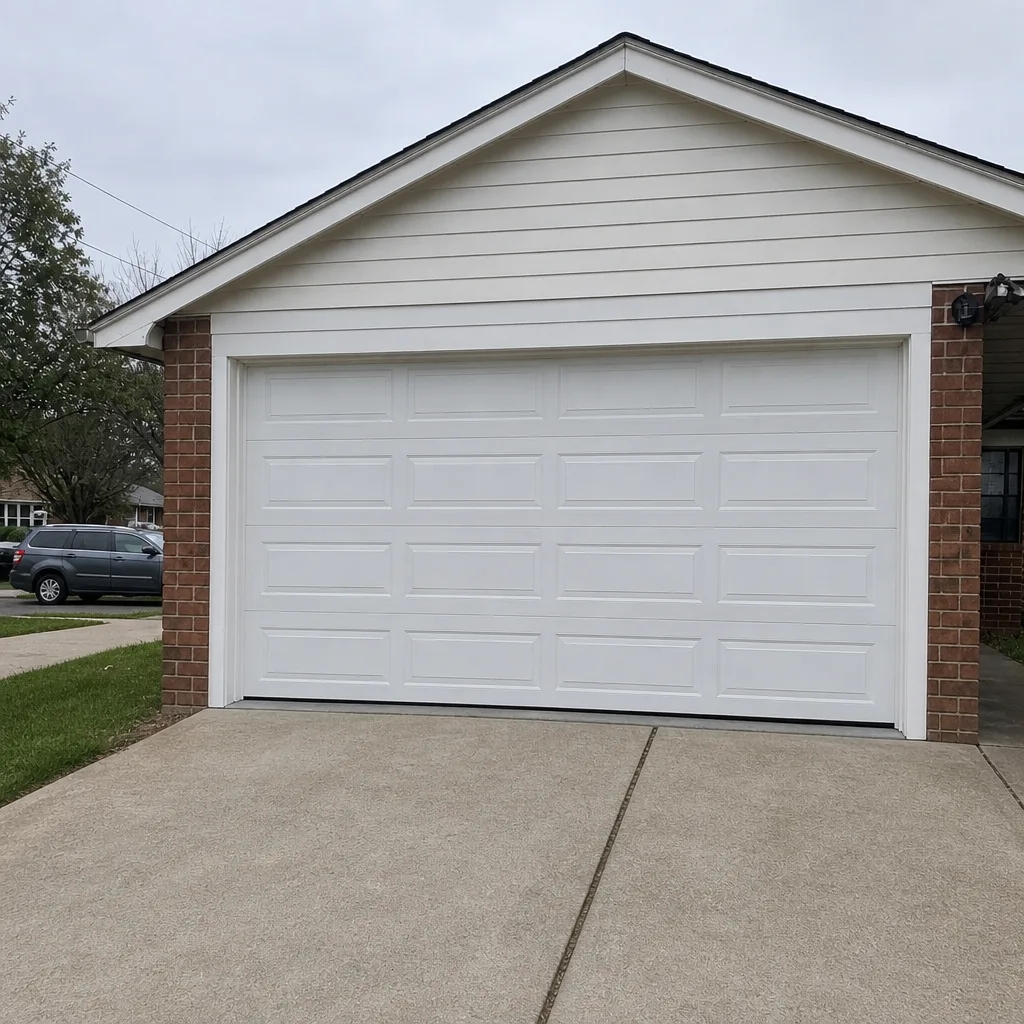 After
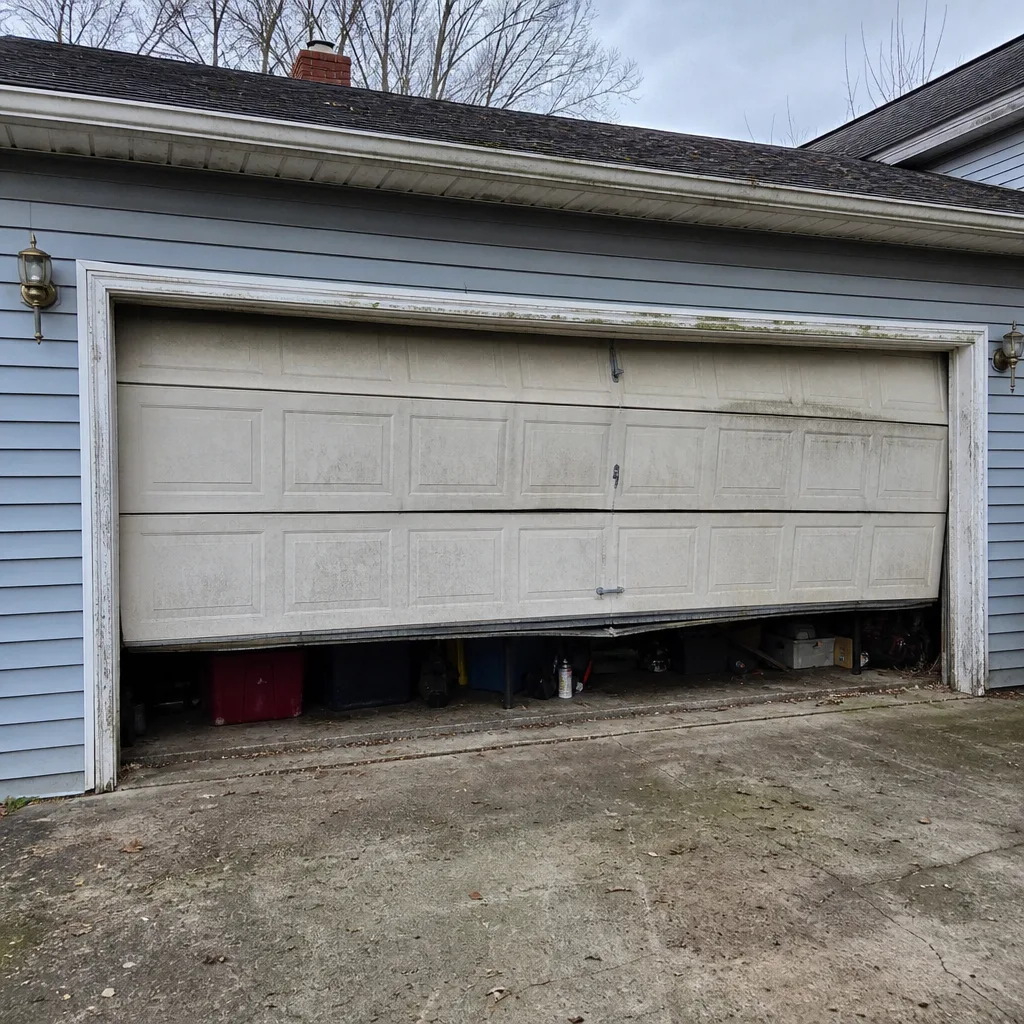 Before
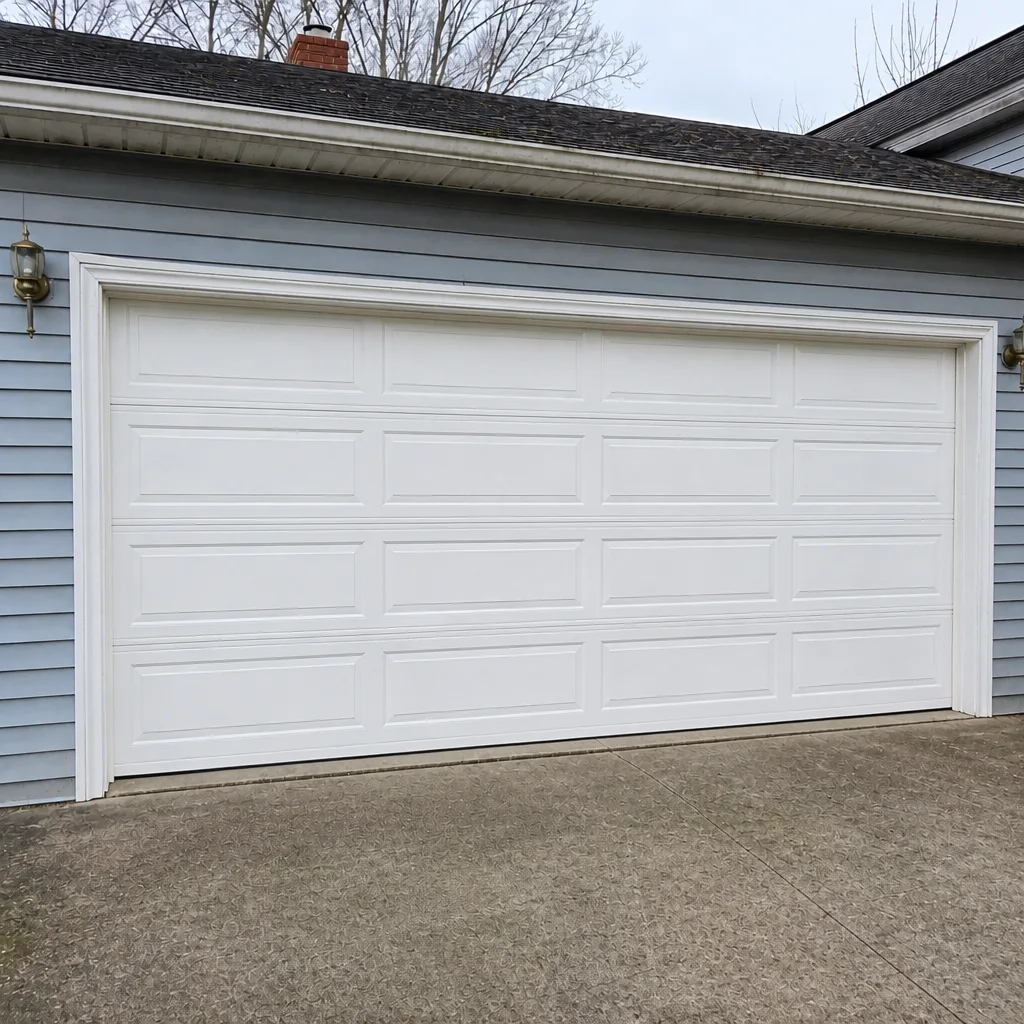 After
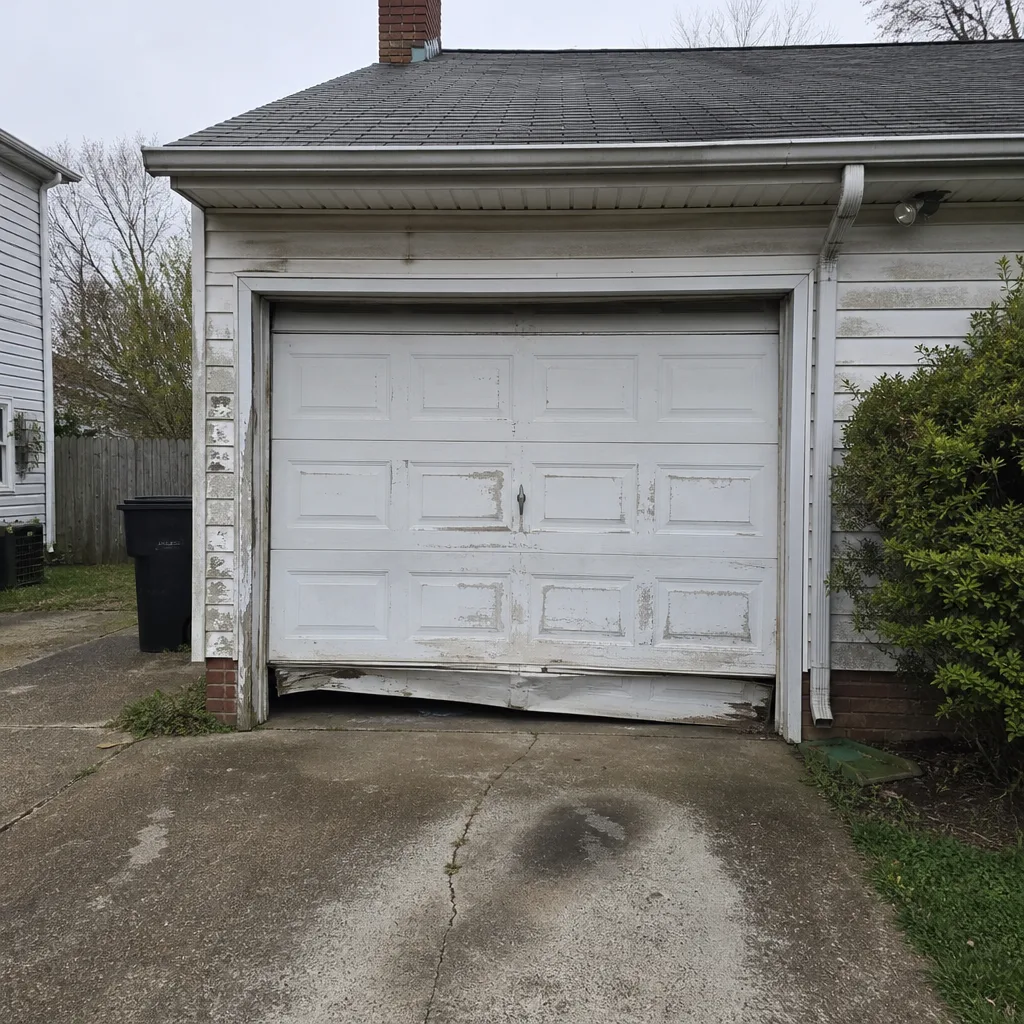 Before
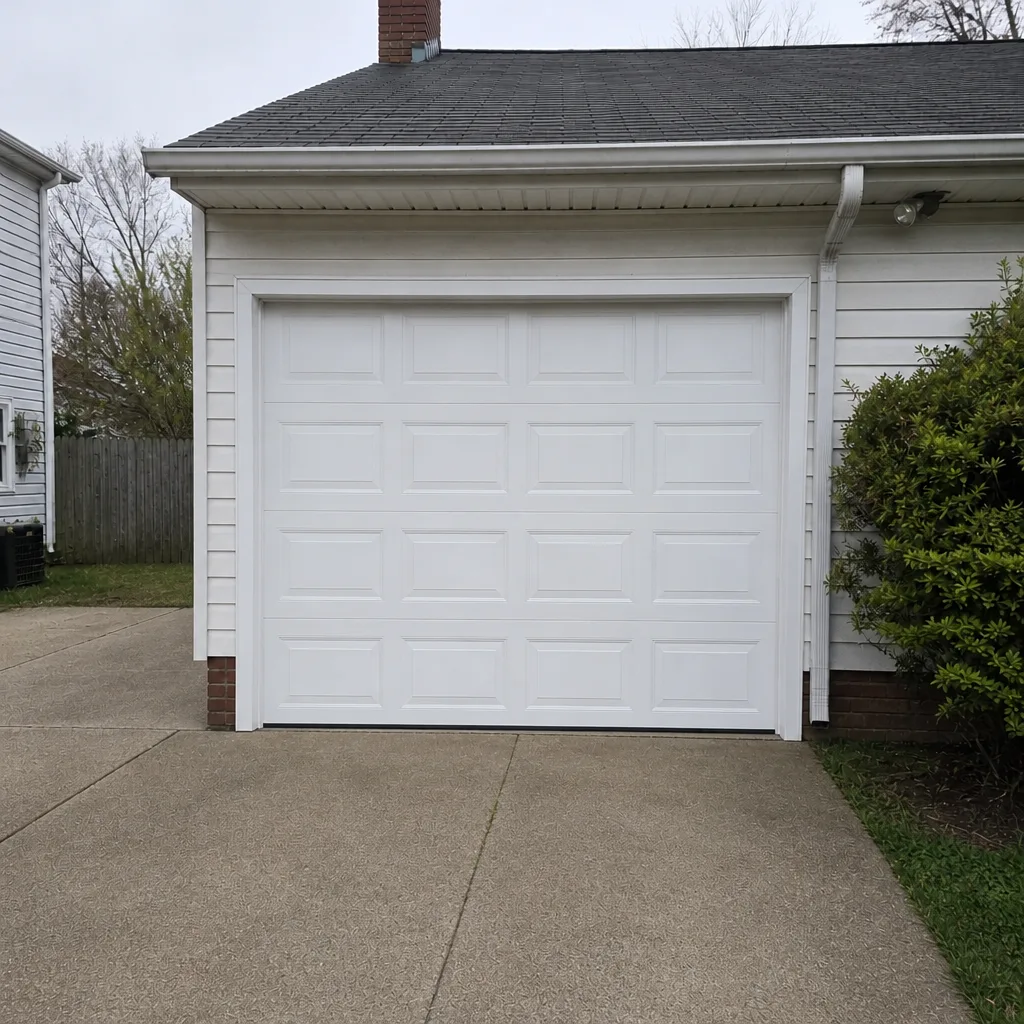 After
Frequently Asked Questions
Spring repair pricing depends on the spring type and whether one or both springs are being replaced. Torsion and extension springs are usually replaced as a matched pair because they wear at the same rate, so a pair costs more than a single spring. The written estimate sets the exact price before any work begins, and the estimate is free. Call (844) 321-8447 for an exact quote.
Yes, spring repair is often completed the same day once the correct spring is identified. Spring failures don’t wait, so we treat them as priority calls. If you’re in Norfolk and the door won’t open because a spring has snapped, call (844) 321-8447. We answer 24/7. Fast dispatch from 7am to 7pm, Sunday through Friday, and a call outside dispatch hours is booked into the next opening.
No, the written estimate is the price. We look at the door, tell you what it needs, and set the number in writing before any work starts. If we find something on closer inspection that changes the scope, we’ll tell you before we touch it and you can decide. Call (844) 321-8447 to schedule a free estimate.
Close the door fully, pull the manual release with nothing underneath it, and lift the door halfway by hand. A balanced door should stay in place at the halfway point. If it drops on its own or rises when you let go, the springs are out of adjustment. Don’t stand under the door while you test. If it fails the test, don’t use the door until a technician inspects it. Call (844) 321-8447.
Yes. Rust on a spring is a sign the wire is losing cross-section, which limits how much tension it can safely hold. A rusted spring that still works is on borrowed time. The safest move is to have a technician look at the spring mount and spring assembly before the door fails under load. Call (844) 321-8447 for a free inspection quote.
The local professionals we connect you with are licensed and insured as required by their state. We work on eight major brand families, including LiftMaster, Chamberlain, Genie, Clopay, Amarr, Wayne Dalton, Craftsman, and Raynor, so the diagnosis is accurate and the parts match the door. Call (844) 321-8447 for a free estimate.
Clean the photo-eye sensor lenses first and check that they’re aimed at each other. If a cleared and aligned sensor still triggers reversal, the issue is usually the opener’s logic board or a wiring fault, and that needs a technician. A door that reverses without an obstruction is a common sign the safety system is misreading and needs a real diagnosis. Call (844) 321-8447.
The Bottom Line
Every garage door gives warning before it gives out. The tricky part is knowing which warnings matter. Uneven motion, reversing without obstruction, grinding that has worsened over weeks, visible rust on the spring assembly, and white crust on the bottom brackets are the ones to act on. Skip-a-beat noises, cold-weather creaks, and slow openers deserve a look but not necessarily an emergency call. In Norfolk, the combination of moisture and temperature swings means springs and seals wear faster than the calendar suggests, so the smart move is to check the door once a season and trust what it tells you. The warning signs you can hear and see are the cheapest repair opportunity you’ll get.
Call (844) 321-8447 for a free estimate. We answer 24/7. Fast dispatch from 7am to 7pm, Sunday through Friday. Written price before any work starts.
Written by the team at Norfolk Garage Door Repair Pros.