
Last updated November 21, 2026
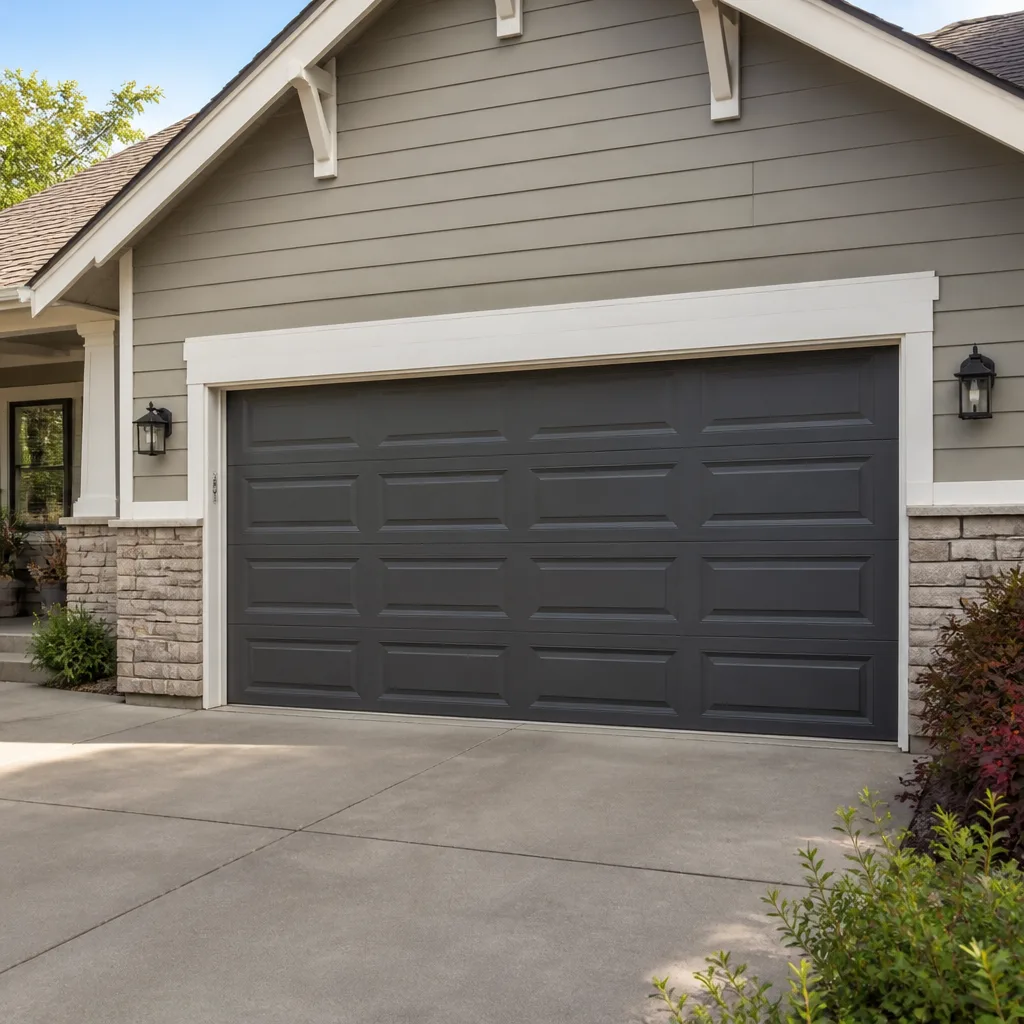 Raised-panel steel
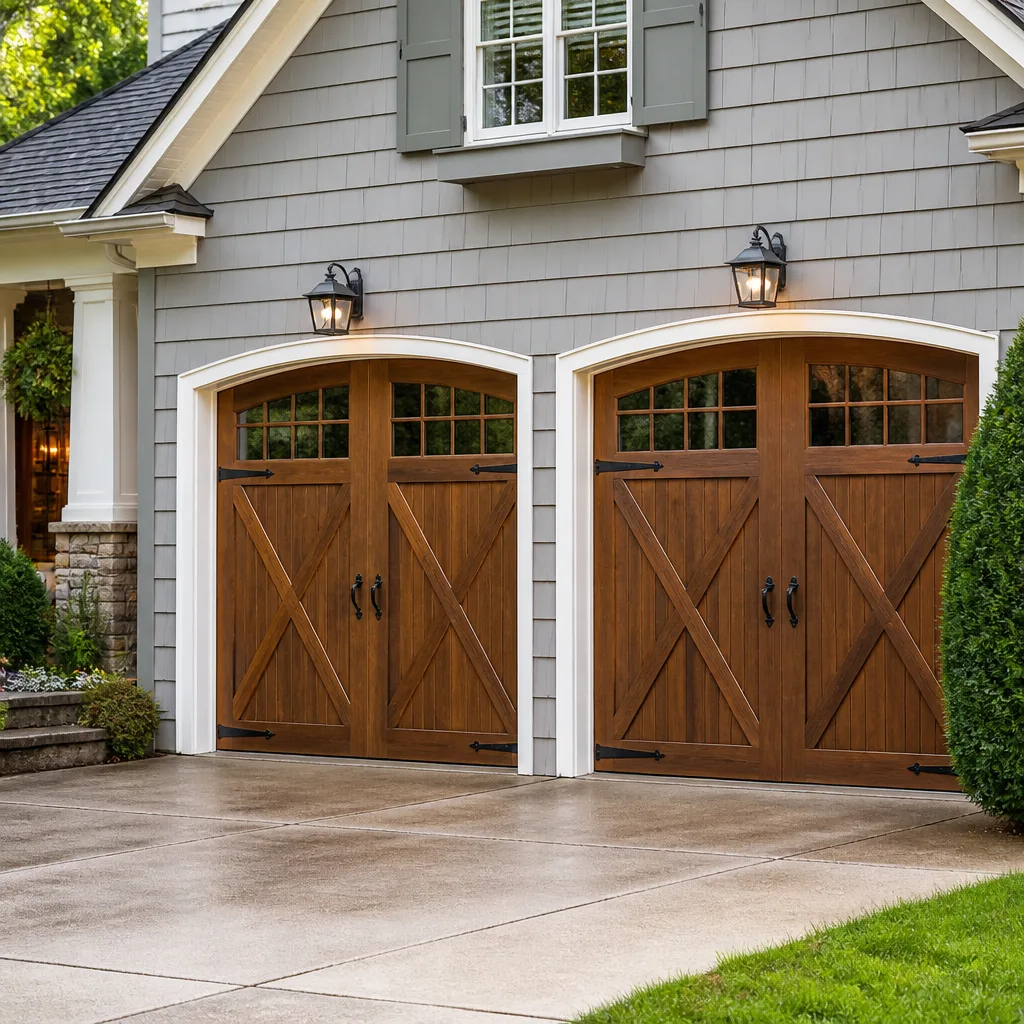 Carriage house
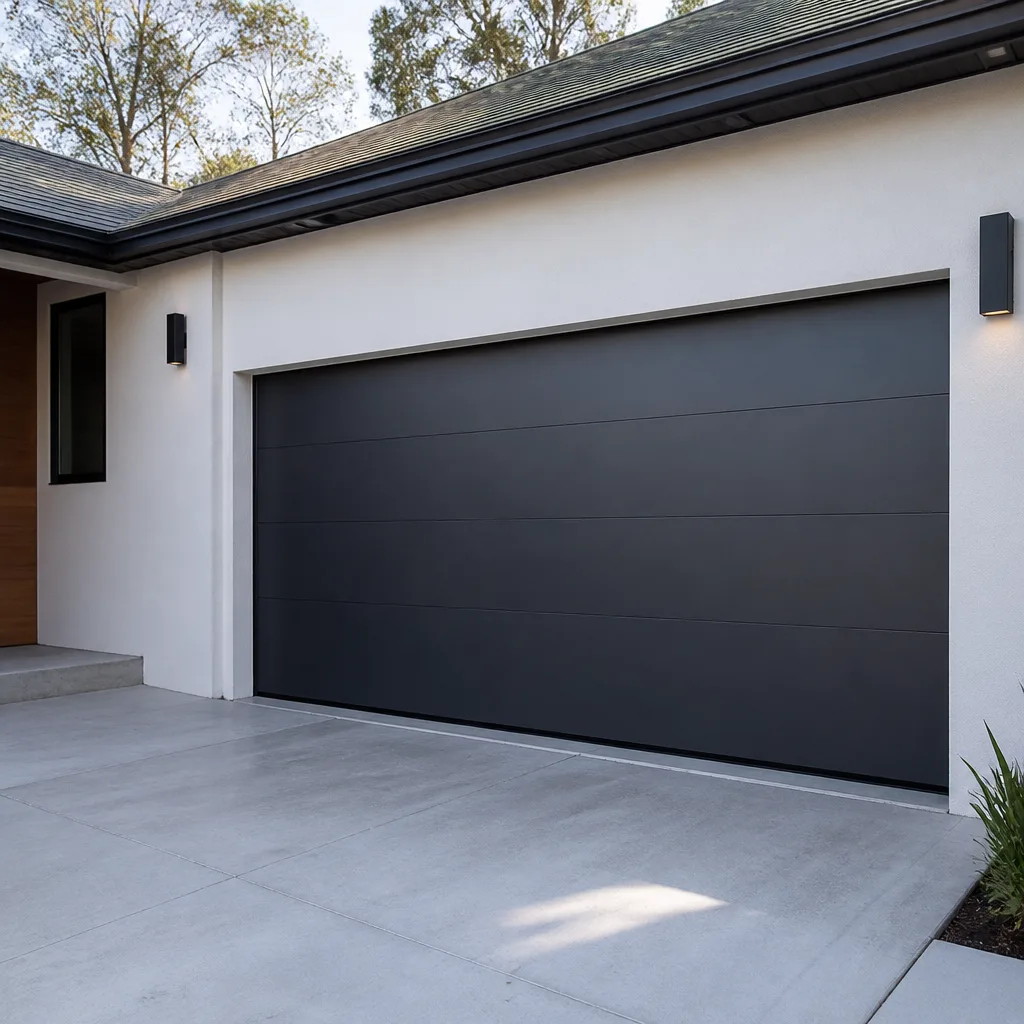 Modern flush
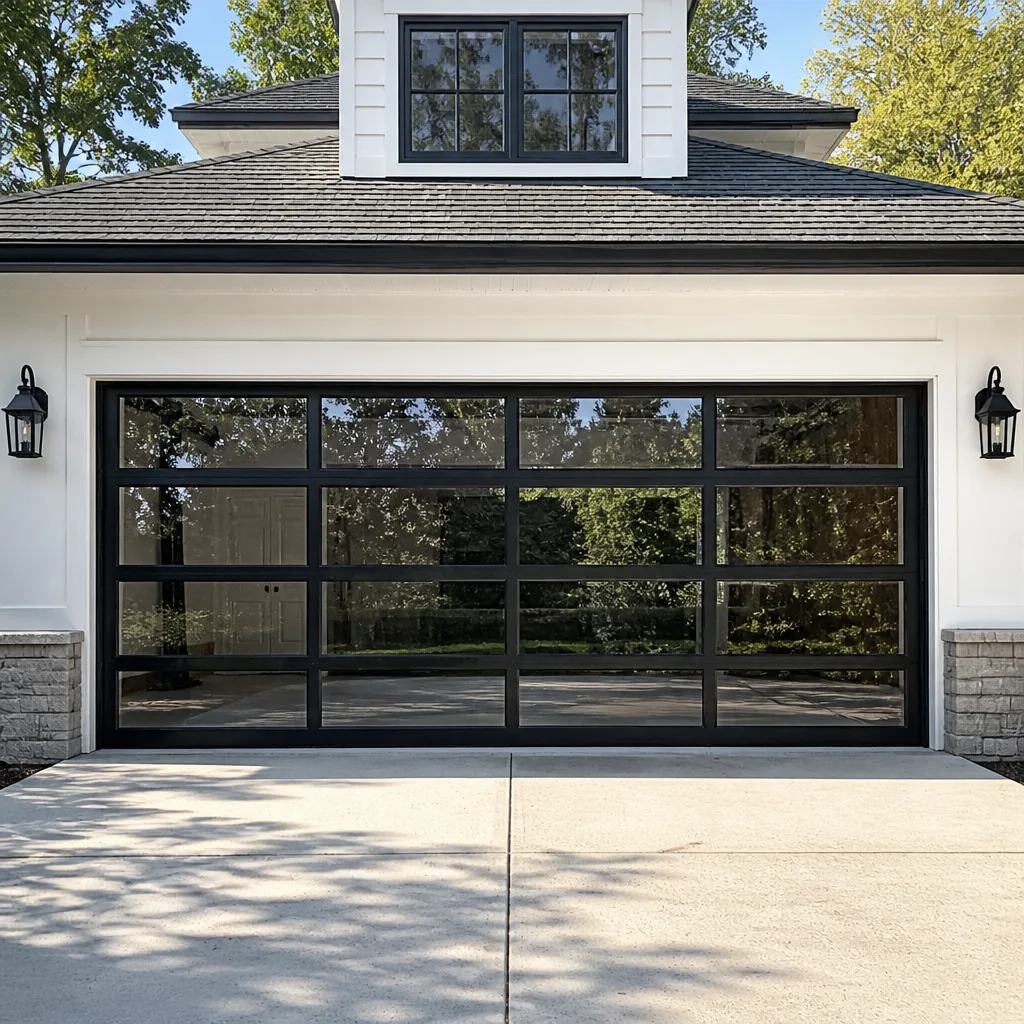 Full-view glass
 LiftMaster openers
 Chamberlain openers
Full 25-point door and opener safety check with every visit - springs, cables, rollers, tracks, and your LiftMaster or Chamberlain opener included
You get a price before we start. It does not change when the pro arrives.
Get your free estimateGarage Door Repair Maintenance Checklist for Norfolk Homeowners
Silicone spray and a once-a-year look-over works fine in Denver. In Hampton Roads, where humidity and salt air cycle through your garage every time the door opens, that schedule leaves the parts that matter two steps ahead of failure. We’ve seen plenty of doors in this area where the springs gave out first, the bottom seal rotted through long before anyone noticed, and the owner thought they were “keeping up with maintenance” because they greased the chain once a season. This guide is the checklist we actually run, calibrated to what fails first on Norfolk doors and when. You’ll get the lubricants that hold up here, the components that quit early, an inspection calendar worth following, and a storm-season routine built for Atlantic hurricane season rather than a generic checklist copied from a climate that doesn’t exist in Virginia.
Quick Answer
A realistic garage door maintenance checklist for a Norfolk home means inspecting balance, springs, cables, rollers, tracks, hinges and the bottom seal every three months, lubricating the right parts with the right product twice a year, and tightening the hardware once a year. In this climate, the bottom seal and weatherstripping need a quarterly check because humidity and heat shorten their life, and torsion springs warrant a visual inspection every quarter even if nothing feels wrong. Anything that involves the door’s springs, cables or torsion assembly is a professional job, not a homeowner one.
Styles & brands we work with
- Raised-panel steel
- Carriage house
- Modern flush
- Full-view glass
- LiftMaster openers
- Chamberlain openers
Table of Contents
- Why a Norfolk Garage Door Needs a Different Checklist
- The Quarterly Inspection Calendar for Hampton Roads Doors
- The Right Lubricants for a Humid Climate (and What to Skip)
- The Components That Fail First on Norfolk Doors
- Bottom Seals and Weatherstripping: The Forgotten Quarter
- How to Keep a Photo Log That Actually Tracks Wear
- A Hurricane-Season Checklist for Your Garage Door
- What a Technician Checks in 20 Minutes That Homeowners Miss
Why a Norfolk Garage Door Needs a Different Checklist
Norfolk sits in a climate where the air is heavy with moisture most of the year, and the temperature swings through summer heat, spring storms, and winter cold snaps that still bring ice. Every time you open the garage door, outside air rolls in and the inside air exchanges with it. Over months that adds up to a lot of humidity exposure on a set of steel springs, steel cables, a rubber bottom seal, and wood or insulated panels. The result: rust on spring coils, frayed cable strands, stiff seals, and hardware that works loose faster than on a door in a dry climate.
The housing stock matters too. Norfolk has older homes in neighborhoods like Ghent, Colonial Place, and Larchmont where original or replaced doors have been on the wall for years, sometimes longer than the opener. Newer construction in areas like Broad Creek or near Norfolk State University often uses lighter-gauge tracks and a bottom seal that starts to crack within a couple of seasons because the summers are long and the humidity rarely lets up. We’ve seen plenty of doors in this area where a homeowner did everything a generic checklist asked and still lost a spring early, because the interval the generic checklist uses was designed for a climate that dries out.
This is the difference between a real maintenance routine and a copy-pasted one. The parts on a Norfolk door that see the most stress from the climate are the ones that get the least attention: springs, cables, bottom seals, weatherstripping, and the hinges and rollers that take the load.
The Quarterly Inspection Calendar for Hampton Roads Doors
A once-a-year look-over underserves your door in this climate. The calendar below is the one we recommend for Norfolk-area homeowners. It splits work into what you can safely inspect on your own and what needs a technician, so you’re not guessing.
Every Three Months (Homeowner)
- Open and close the door a couple of times and listen. Grinding, squealing, popping, or a door that jerks indicate wear on the rollers or hinges, or a torsion problem.
- Run the balance test. Close the door, disconnect the opener (usually a pull cord), and lift the door halfway by hand. It should stay put. If it drifts up or down, the springs are out of balance.
- Look at the bottom seal along its entire length. Feel for soft or crumbling rubber, splits at the corners, and gaps against the floor.
- Walk the horizontal tracks on each side and run a hand along the top and bottom edges. Bulging or bend means the door’s weight has shifted.
- Photograph the springs on the torsion shaft or above the tracks. Note the color code (usually a painted band) and any visible rust.
- Check hinges and rollers for visible wear, chips, or pieces of plastic flaking off.
Twice a Year (Homeowner)
- Lubricate the correct parts with the correct product (see the section below).
- Vacuum dust and grit from the tracks with a shop vac, then wipe the inside with a slightly damp cloth and dry it. Grit in a track is what wears out rollers.
- Test the safety reverse feature by placing a roll of paper towels flat on the floor in the door’s path and closing the door. It should reverse on contact. Check that the photo-eye sensors block the door when interrupted.
- Inspect the bottom seal again and note any new cracks.
Once a Year (Homeowner or Technician)
- Walk the full frame and tighten any bolts on the hinges and brackets with a socket wrench. Don’t overtighten; snug is enough.
- Look at the opener’s light and any error codes against the manual, whether it’s a LiftMaster, Chamberlain, Genie, or Craftsman unit.
- Have the torsion springs, cables, drums and brackets inspected by a trained technician. This is the annual check that catches the failure before it happens, and the one most homeowners skip.
If you’d rather not be the one chasing down the checklist, our Norfolk Garage Door Repair Pros team can walk it with you. The estimate is free, and it’s the fastest way to get an honest read on what your door actually needs.
The Right Lubricants for a Humid Climate (and What to Skip)
The single most common maintenance mistake in a humid climate is using the wrong lubricant, which does more harm than using none. A thin, general-purpose oil or a spray that attracts dust turns into a sticky paste in Hampton Roads humidity, and that paste pulls grit into the tracks and grinds down the rollers and hinges. Over time it accelerates wear instead of preventing it.
Here’s what actually works and what doesn’t:
- Use a white lithium grease or a silicone-based lubricant on hinges, rollers and the torsion spring coils. These are the standards for the trade, and they resist moisture well enough for the climate without attracting the grime that turns tracks into sandpaper.
- Use a silicone spray on the tracks and the bottom seal and weatherstripping. It won’t degrade rubber or vinyl the way petroleum-based lubricants can, and it keeps seals supple in dry spells and heat.
- Skip WD-40 or a general-purpose household oil on moving parts. It’s a light solvent and water displacement spray, not a long-term lubricant. It works for unsticking a rusted bolt, but it won’t protect a hinge, and it attacks rubber seals over time.
- Avoid cooking spray, motor oil, and grease from the kitchen. They all attract dust, and in the humidity they go rancid or tacky. In a few months you’ll have a sticky track and a door that runs heavy.
- Don’t spray the opener motor or the control box. For a chain-drive opener, a light grease on the chain is fine, but never on the electrical components.
Twice a year is the right cadence for lubrication in Norfolk. Spring for a good product and you’ll notice the door runs quieter and the rollers last longer. If you’re not comfortable doing the lube job yourself, this is one of the simplest things to bundle into a repair visit for our garage door repair team, and it’s the kind of thing your door will thank you for.
The Components That Fail First on Norfolk Doors
On a Norfolk door, the failure order is fairly predictable, and it’s different from what a generic checklist leads you to expect. Here’s the ranking, from what we see fail first to what usually outlasts the rest of the system.
1. Torsion Springs
Torsion springs carry the door’s entire weight, and they’re the first component to go in this climate. Humidity causes the steel to rust at the coils, and temperature swings fatigue the metal. When a torsion spring breaks, it makes a sharp bang and the door becomes too heavy to lift by hand. Inspect quarterly, photograph the coils, and replace springs in pairs. If one has broken, the other is close behind. Never try to adjust or replace a torsion spring yourself. The stored tension in that system can cause serious injury, and a trained technician has the tools and the experience to handle it safely.
2. Bottom Seals and Weatherstripping
The rubber bottom seal takes a beating from heat, humidity, and the regular contact with a concrete floor. It dries out, cracks, and eventually pulls away, letting in water, insects, and outside air. Weatherstripping around the sides and top goes the same way. A quarter check is enough to catch it, and the fix is inexpensive compared to the damage moisture intrusion can do.
3. Cables
The lift cables are steel and carry the tension from the springs to the door. In a coastal Virginia climate they begin to fray, usually starting where they wrap around the drum or where they meet the bottom bracket. Frayed cables are a safety issue and should be replaced by a technician. A visible broken strand is a sign to stop using the door until it’s checked.
4. Rollers and Hinges
Rollers are usually nylon or steel, and in this climate the plastic ones crack and the steel ones rust. Hinges loosen from repeated cycles. This is where lubrication and tightening pay off most, and where bad lubricant does the most damage.
5. Opener and Track
Modern openers from LiftMaster, Chamberlain, Genie, and Craftsman are reliable, but the motor wears out and the logic board can fail. Track alignment drifts as the door settles, and that drift wears the rollers faster.
When one of these components does go, our garage door opener repair and spring service covers the diagnosis and the fix. One call covers it.
Bottom Seals and Weatherstripping: The Forgotten Quarter
Almost every homeowner maintenance checklist mentions springs and rollers. Very few mention the bottom seal and weatherstripping, and in Norfolk those are the components that quietly cost you money and let moisture into the garage.
The bottom seal is a rubber or vinyl strip that runs the width of the door and meets the floor. When it’s intact, it keeps rain, insects, and outside air out. When it’s cracked or missing a section, every storm forces water under the door, and the humidity in the garage climbs. A poorly sealed garage in this climate becomes a place where tools rust, stored items grow mold, and the door’s steel parts start rusting from the wrong end.
Weatherstripping runs along the sides and top of the frame. It’s usually a flexible vinyl or rubber flange that compresses when the door closes. In heat and humidity it stiffens, cracks at the corners, and loses its seal. The fix is a simple replacement, and it’s inexpensive compared to what water intrusion can turn into.
Check both quarterly. Feel along the floor line with your hand for gaps or stiffness. Look at the corners of the weatherstripping for splits. If your seal is stiff enough that it doesn’t compress when you press it, it’s due. On older Norfolk homes, especially around the historic neighborhoods, the garage door frame can be out of square, and a seal that fits the door won’t seal the gap without a technician’s adjustment.
How to Keep a Photo Log That Actually Tracks Wear
A camera is the most underused maintenance tool a homeowner has. Photographing the same parts on a regular schedule gives you a clear record of wear, and it lets a technician diagnose a problem accurately even before the door fails. Here’s a routine that works.
- Pick your photo spots. Every three months, photograph the torsion spring coils, the bottom seal along the full width of the door, each cable end where it meets the bottom bracket, the hinges, and both ends of the horizontal track.
- Use one consistent angle. Stand in the same place for each photo. That way, month-over-month comparisons are meaningful.
- Get the color codes. The painted bands on the springs tell a technician the original spring weight and size. Photograph them clearly on the first pass. If a spring ever needs replacing, those photos save a step.
- Note dates on the file names. A folder called “garage door” with dated files gives a technician a full picture in seconds.
- Look for these wear signals in the photos. Rust on spring coils, frayed cable strands, cracks or splits in the bottom seal, chipped or cracked rollers, and anything that looks bent at the brackets.
If the photos show something concerning, send them to a technician before the door fails. The garage door installation side of our work also benefits from a photo history, because it tells us what brand and door type the home originally had. A door from Clopay, Amarr, Wayne Dalton, or Craftsman follows its own installation and measurement needs, and a photo log helps us source the right door the first time.
A Hurricane-Season Checklist for Your Garage Door
Atlantic hurricane season runs June through November, and Norfolk sits squarely in the path of the storms that track up the coast. A garage door is one of the largest openings on a house, and it’s the first thing wind and water reach during a strong storm. This checklist is built for a Norfolk home, not a generic storm grid.
- Confirm the door is on its reinforced side. Some doors have a wind-load rating and reinforced panels. If you’re not sure whether yours does, this is the time to ask a technician, not the day before a storm makes landfall.
- Check the bottom seal for gaps. Wind-driven rain is the first thing to enter. If the seal is loose or missing a section, water will pool on the garage floor.
- Run the balance test. A door that’s out of balance on a calm day will be more vulnerable in a wind event. If it drifts, get it adjusted before storm season.
- Tighten exterior hardware. Loose hinges and brackets rattle in high wind and can pull free.
- Test the manual release. If the power goes out, you need to know the door can be operated by hand. Review the release mechanism and clear the area around it.
- Clear the tracks before the storm arrives. Grit and debris blown into a track can jam the door when you need it to work.
- Do not prop the door open in a storm. An open door is a wind target, and closing it after the fact is not always possible.
If a storm has already caused damage, spring failures don’t wait for convenient hours. We answer 24/7, with fast dispatch from 7am to 7pm, Sunday through Friday. Emergency response is a real service we offer for exactly this situation, whether a car is trapped or the house needs to be secured quickly.
What a Technician Checks in 20 Minutes That Homeowners Miss
A professional inspection is about the things a homeowner can’t safely or thoroughly check, and it’s faster than most people expect. In roughly 20 minutes, a trained technician runs through four areas that catch the failures that surprise owners.
Cable Fraying
The lift cables are often hidden or partially covered by the tracks and drums. A technician runs a gloved hand along the full length and checks for broken strands, kinks, and rust. A frayed cable that’s about to break looks fine from the outside, and that’s the whole problem with the homeowner version of a cable check.
Bracket Fatigue
The brackets that hold the torsion shaft and springs take constant load. Over time, the metal fatigues and the screws work loose. A technician checks the brackets for movement, rust, and cracks, and re-torques the hardware to spec.
Track Alignment Drift
The vertical and horizontal tracks can drift by a fraction of an inch over years as the house settles and the door’s weight shifts. It’s not always visible to the eye, but a technician can feel the misalignment and adjust it. That adjustment is what saves the rollers from wearing out early.
Spring Tension and Cycle Count
A technician assesses the spring’s remaining life based on the wire, the coil, the color code, and the cycle history. A door in Norfolk might have springs that look fine but are close to their last cycle. Replacing them before they break is a scheduled job. Replacing them after is an emergency.
The same 20-minute pass covers the opener, including legacy and modern smart-home systems across Chamberlain, LiftMaster, Genie, and Craftsman lines. Call (844) 321-8447. We answer 24/7. Fast dispatch from 7am to 7pm, Sunday through Friday.
Common Mistakes to Avoid
- Using the wrong lubricant. WD-40, cooking spray, and general household oil attract dust and turn into paste in Norfolk humidity. Use a white lithium grease or silicone spray instead.
- Skipping the bottom seal because it “still looks fine.” In this climate, it can go from soft to cracked in a season. Check it quarterly.
- Tightening the torsion spring yourself. This is the most dangerous component on the door. The stored tension can cause serious injury. Leave it to a technician with the right tools.
- Replacing one spring instead of a pair. If one torsion spring broke, the other is near the same stage. Replace both, and your door is back to running evenly.
- Ignoring a noisy door. A grinding, squealing door is telling you something’s wearing. Owners often wait until it stops moving, which turns a minor fix into a bigger repair.
- Letting grit and sand build up in the tracks. Hampton Roads storms blow debris onto the floor, and it works its way into the tracks. Vacuum them often, and don’t run the door over the grit if you can avoid it.
- Thinking a once-a-year check is enough in this climate. Quarterly inspections catch what once-a-year misses, and that’s especially true for the components this climate wears first.
See the difference
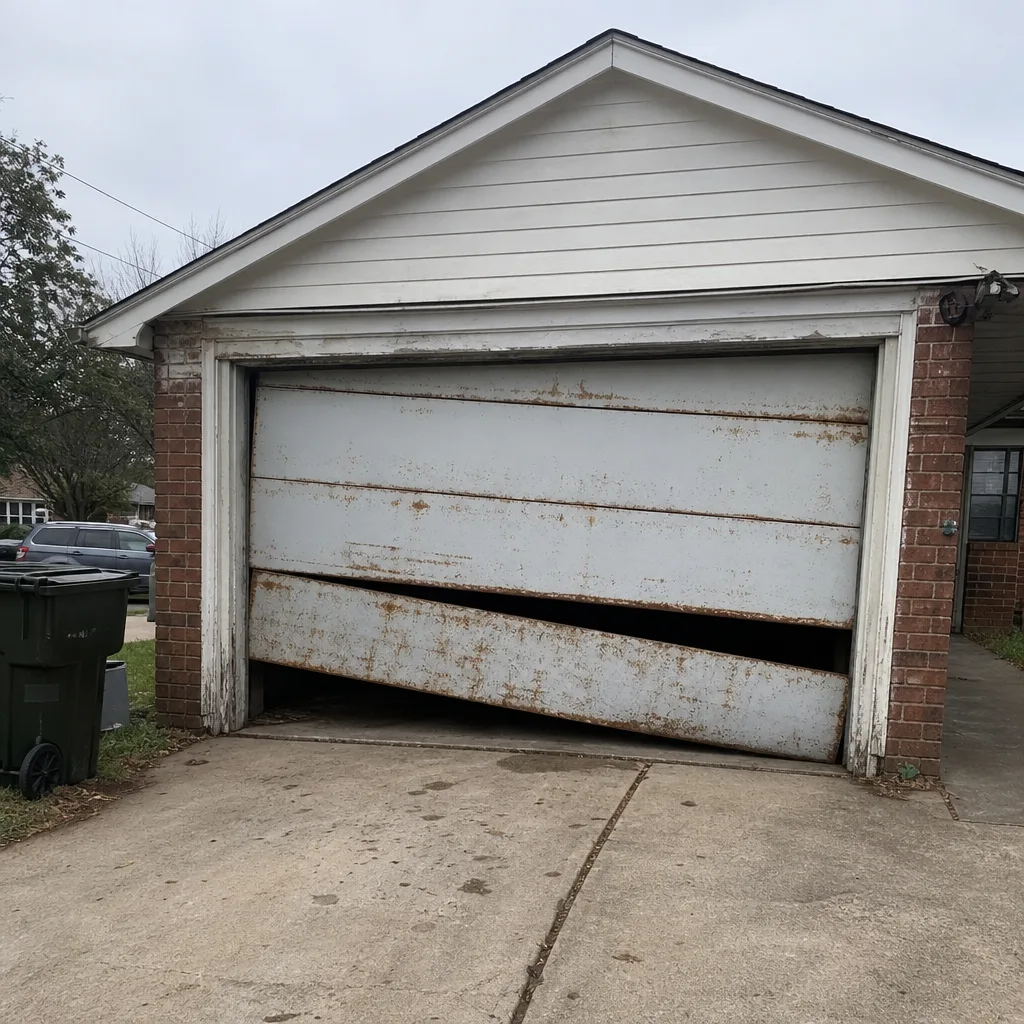 Before
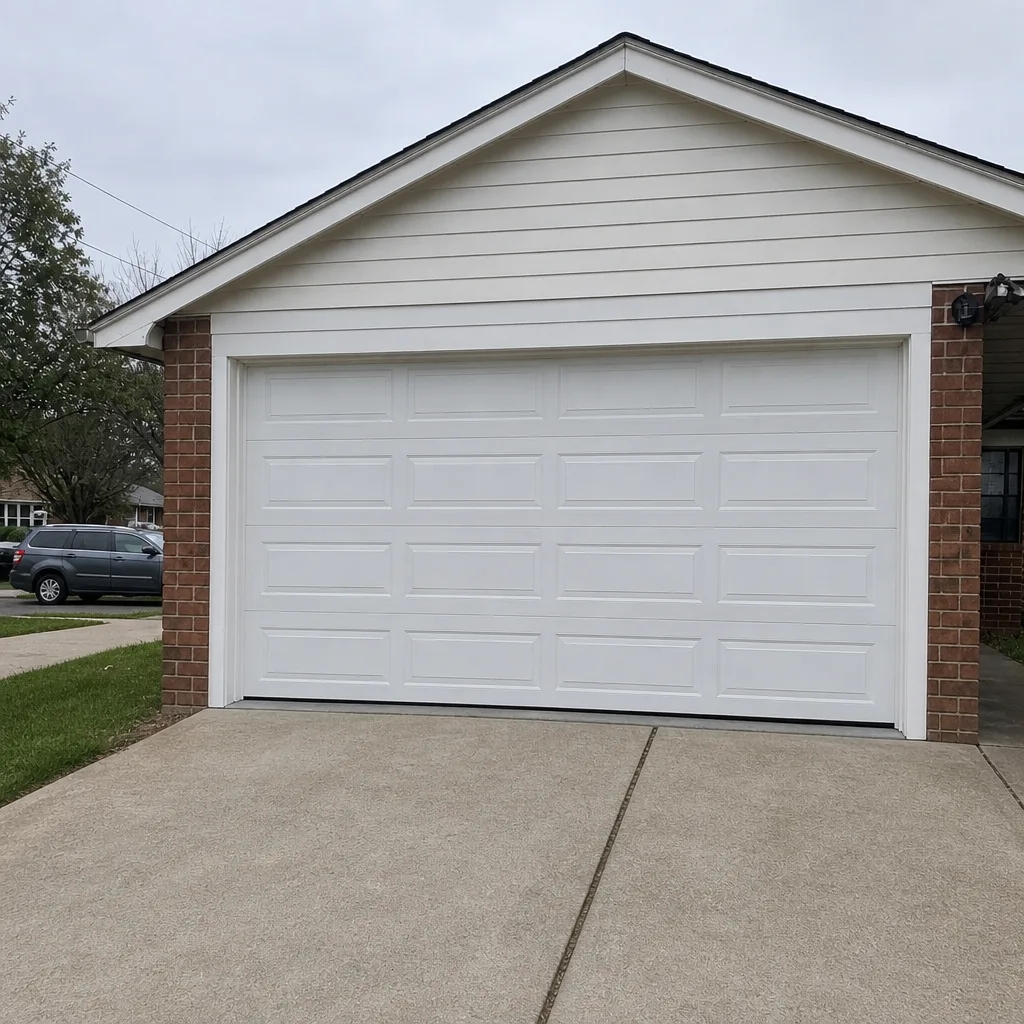 After
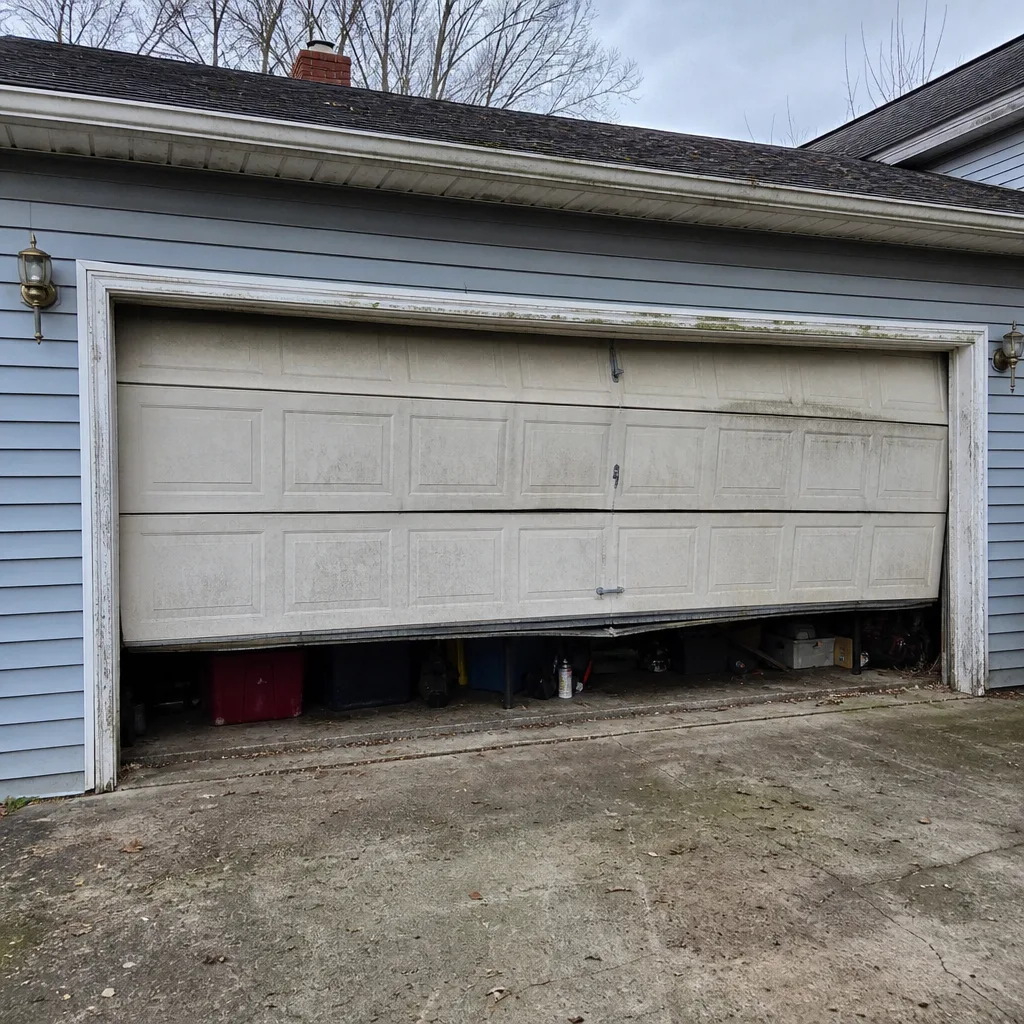 Before
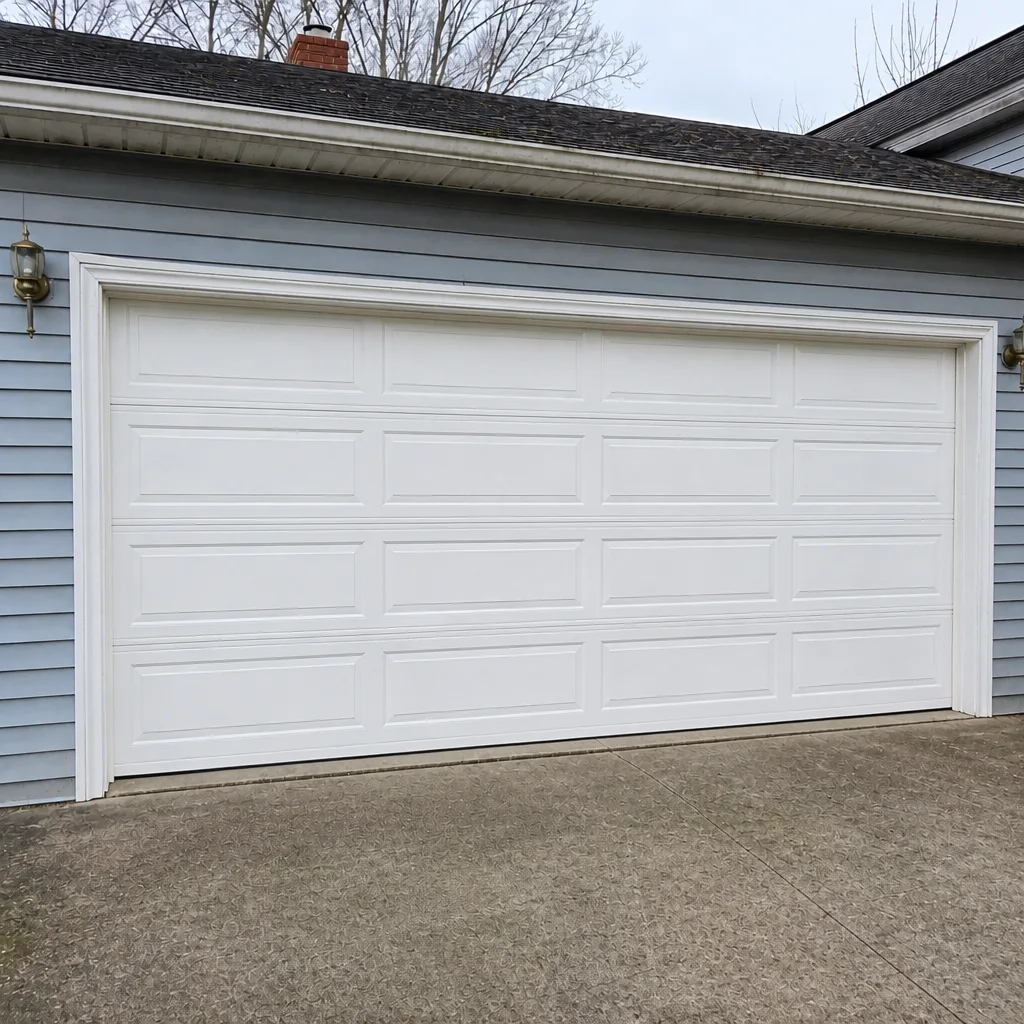 After
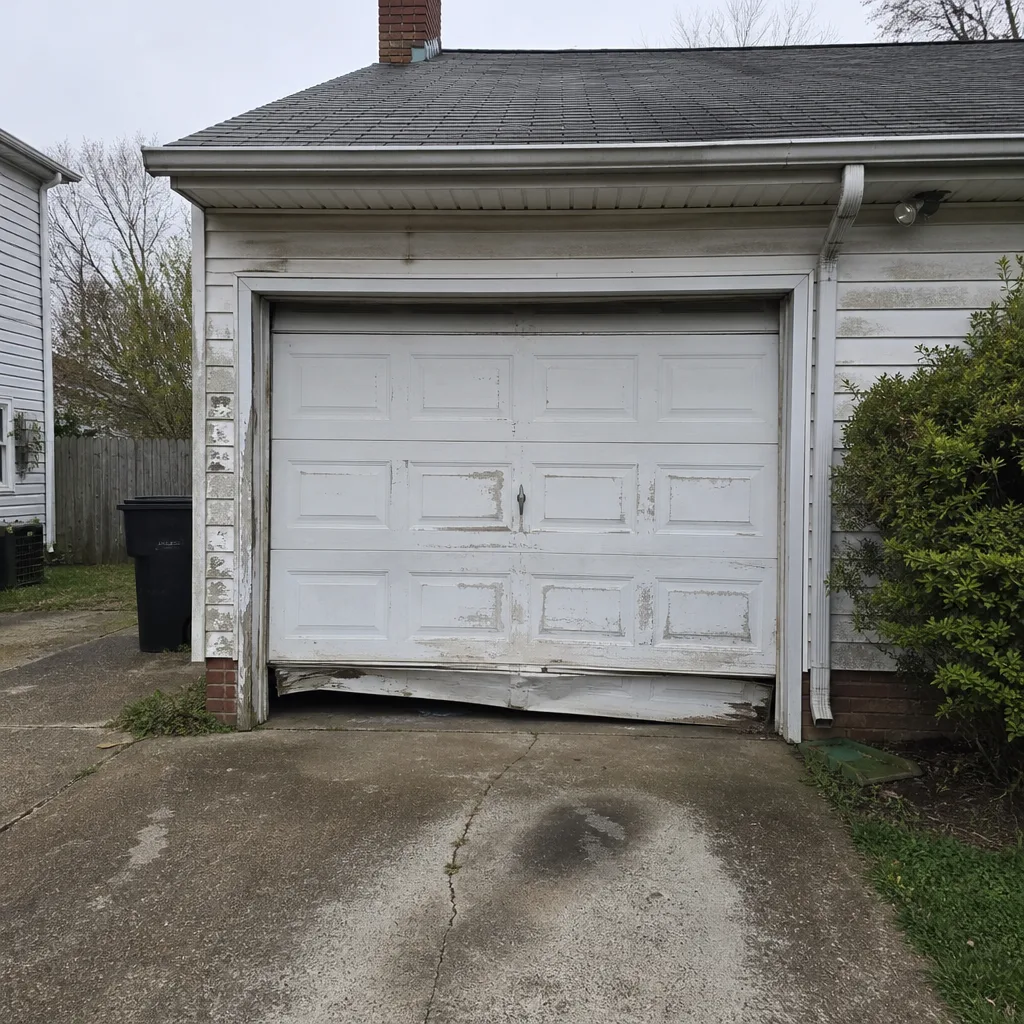 Before
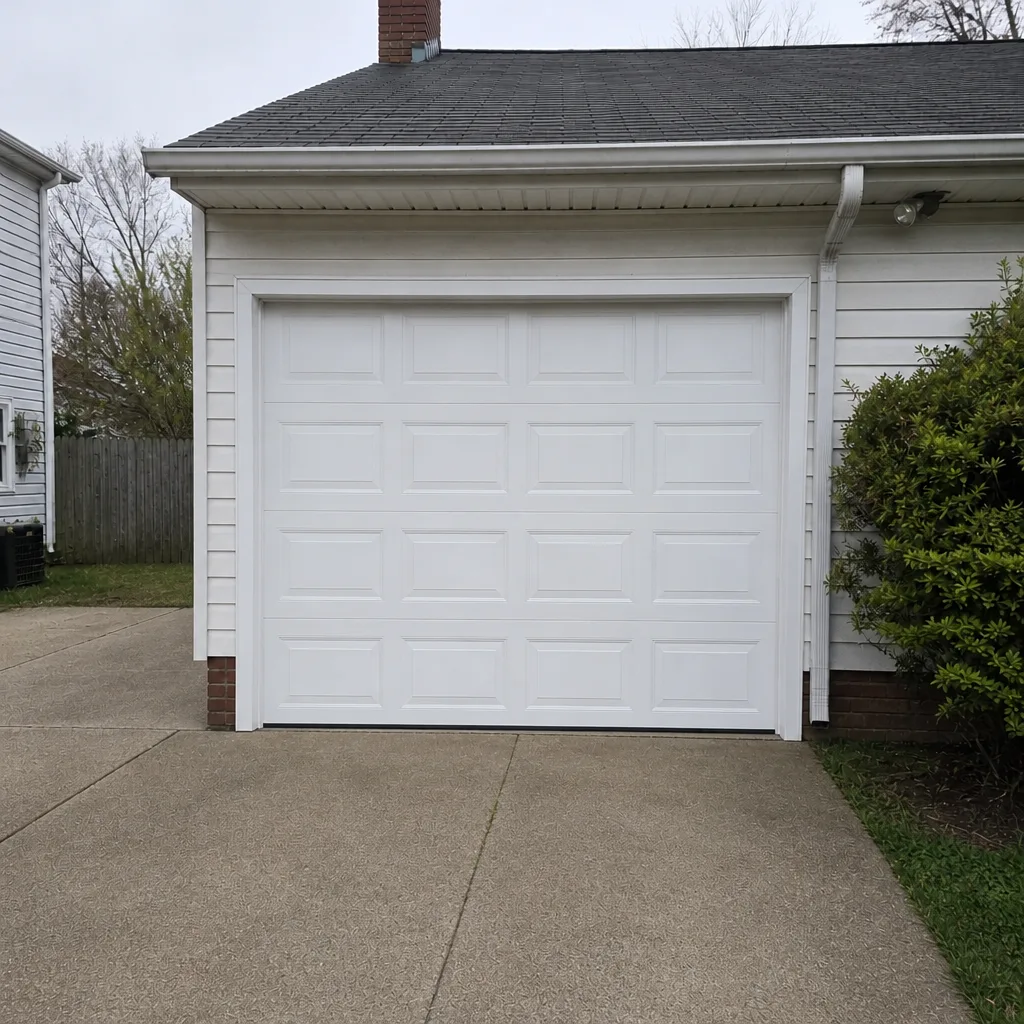 After
When to Call a Professional
Some maintenance is yours to handle. Spring and cable work is not. Call a professional if the door feels heavy or won’t stay halfway open, if you hear a sharp bang and the door stops lifting, if the cables look frayed or have a broken strand, if the door is off its track or hanging crooked, if the bracket or torsion assembly looks bent, or if the door is more than a decade old and has never had its springs inspected. Anything involving the torsion spring, cables, or the door’s structural balance is a stop-and-call situation. Norfolk Garage Door Repair Pros offers free estimates in Norfolk. Call (844) 321-8447. We answer 24/7, with fast dispatch from 7am to 7pm, Sunday through Friday. Our technicians have up to 10 years of experience, they’re factory-familiar with the major brands, and the price is quoted and agreed before any work starts.
Frequently Asked Questions
Every three months for the safety checks and inspection, and twice a year for lubrication, with a professional inspection of the springs and cables once a year. The quarterly cadence matters more in this climate than in a dry one, because humidity and salt air shorten the life of the bottom seal and the springs. Call (844) 321-8447 for a free estimate on a full inspection.
A white lithium grease or silicone-based lubricant on hinges, rollers and springs, and a silicone spray on the tracks and seals. Avoid WD-40, cooking spray and general household oil, all of which attract grit and turn tacky in Hampton Roads humidity. If you want the job done right, we can handle the lube and inspection together.
Temperature swings fatigue steel, and a cold snap is often the last straw on a spring that’s been under tension for years. In this climate the spring has usually been rusting at the coils long before it snaps. That’s why quarterly photos of the spring coils matter: a brown or pitted coil is a sign to replace before failure. Call (844) 321-8447 to book a spring inspection.
No. Torsion springs store a large amount of mechanical energy, and the tools required to release and set one safely are specialty equipment. Attempting the job is genuinely dangerous. A trained technician replaces torsion and extension springs safely. We cover spring failures as a named service. Call (844) 321-8447.
Ask your city’s building department whether a wind-load rating is required for your door, and have a technician confirm what yours is rated for. Some homes here are built with reinforced doors and others aren’t. If you’re replacing a door, the wind rating is worth factoring into the decision. A free measure and a written price is the way to start. Call (844) 321-8447.
Our estimates are free, and the price for any work is quoted and agreed before it starts. We also run a full lifecycle of service, from repair to opener work to spring replacement to a new door, all from one call. If you’re on the fence about whether to repair or replace, the estimate is the way to find out. Call (844) 321-8447.
The Bottom Line
A Norfolk garage door needs a maintenance checklist built for its climate, not a generic one from a drier state. Inspect quarterly, lubricate twice a year with a lithium or silicone product, check the bottom seal as often as the springs, and photograph the wear points so you can spot trouble early. Let a technician handle the torsion springs, cables and structural adjustments. If you want one honest read on the door’s condition before the next storm season, a free inspection from our team will tell you what needs attention now and what can wait. The written estimate sets the price, and no work starts until you agree.
Contact
Call (844) 321-8447 for a free estimate. We answer 24/7, with fast dispatch from 7am to 7pm, Sunday through Friday. Whether it’s a maintenance inspection, a snapped spring, or a door that’s ready to be replaced, one call covers it.
Written by the team at Norfolk Garage Door Repair Pros.